
Senior cat pet profile completion checklist
Keep an older cat’s current care instructions easy to find. Record diagnosed conditions, prescribed treatment, handling needs and the people who can help, without assuming every older cat needs the same medicines or tests.
THE DRIYU JOURNAL
Health & Daily Care
In this reading
Quick answer: maintain the current veterinary plan, medication and refill details, relevant test reports, observed changes and agreed contacts. Keep the full health history private. Use the public recovery page only for concise information that helps someone contact you safely.
A note about veterinary care
This article is for organization and general education only. It is not veterinary advice, diagnosis, or treatment. Always ask your veterinarian about your pet's health, medications, vaccinations, weight, symptoms, or care plan.
What gets extra attention
- Diagnosed conditions: record the veterinarian’s wording and follow-up instructions.
- Medications, if prescribed: copy the exact label instructions and plan supplies with the clinic.
- Test reports: retain the dated originals and the veterinarian’s explanation; do not interpret isolated values yourself.
- Handling needs: describe known mobility, vision or hearing needs without asking a stranger to test them.
- Visits: record the schedule agreed with the veterinarian and contact the clinic sooner for new symptoms.
- Emergency contacts: trusted sitter, family member who knows the routine
For the public scan page
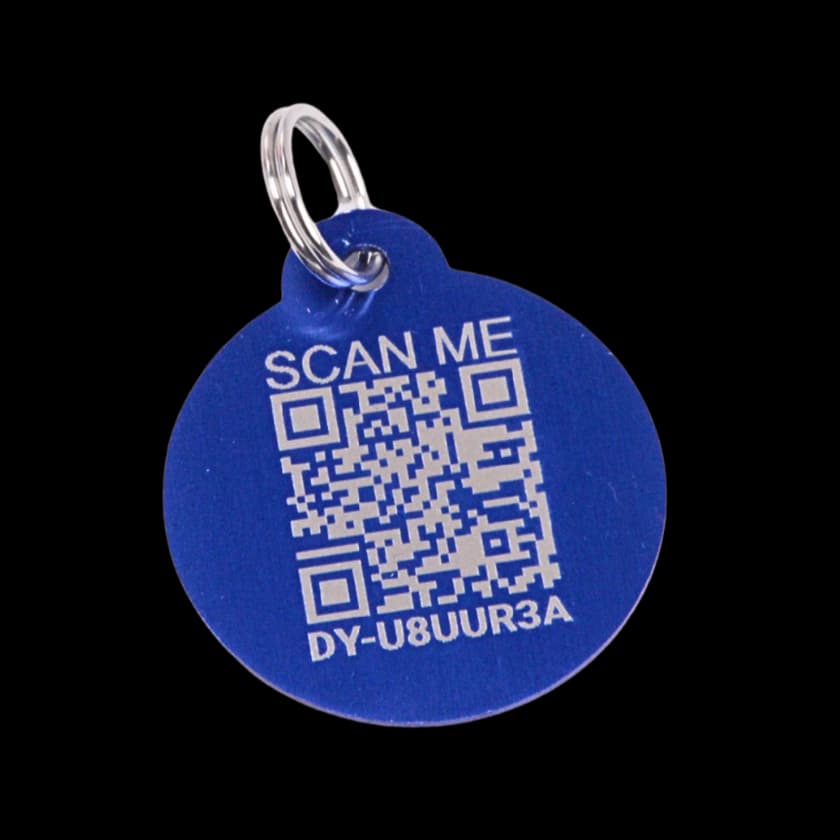
A brief alert can say that the cat needs veterinary attention or that you should be contacted promptly. Do not publish a dosing instruction for a finder to carry out. In Driyu, an alert must be active and enabled for scans; older allergy information may also appear. Preview the actual page.
How Driyu fits
The same pet profile can be kept current as needs change. Medical Records and Cloud Vault have limited Free capacity and more capacity with Pro, not a public archive shown by scanning the tag. Review caregiver permissions and emergency contacts separately, with each person’s agreement.
Related reads from Driyu
- Senior cat medication routine: a calm caregiver checklist
- Senior cat care: subtle signs owners should track
- Cat weight changes: the subtle signs owners miss
Sources and further reading
- Cornell — the special needs of senior cats
- FelineVMA — senior care guidelines
- AAHA/AAFP — feline life stage guidance
Frequently asked questions
When is a cat “senior”?
The 2021 AAHA/AAFP life-stage framework considers cats over 10 senior. It is a planning category, not a diagnosis or a reason to dismiss changes as normal aging.
How often should a senior cat see the vet?
The life-stage guidance recommends checkups at least every six months for senior cats. Your veterinarian may advise a different or more frequent plan for individual needs; new illness should not wait for a routine visit.
Should I update labs in the profile?
Keep dated reports and the veterinarian’s interpretation in private records. If sharing with a caregiver or another clinic, confirm what they need and use a private channel; do not put a full lab panel in public notes.
Does Driyu have a senior-specific template?
Driyu uses the pet’s existing profile and records, not a separate senior-specific form. Update relevant details yourself; do not assume they change automatically with age.