How a digital pet profile works (and why it matters for recovery)
A plain-language explainer of what a digital pet profile is, what it stores, what finders can see, and how it helps when your pet is missing.
THE DRIYU JOURNAL
Pet ID & QR Tags
In this reading
In Driyu, the public recovery page is different from the private care records in your account. A linked QR tag opens that public page; it does not give a finder access to your full account.
A note about privacy
Public recovery pages may show the information the owner chooses to provide or make visible. Review your settings and Driyu's current Privacy Policy for the latest details. Do not share information publicly that you are not comfortable making visible to a finder.
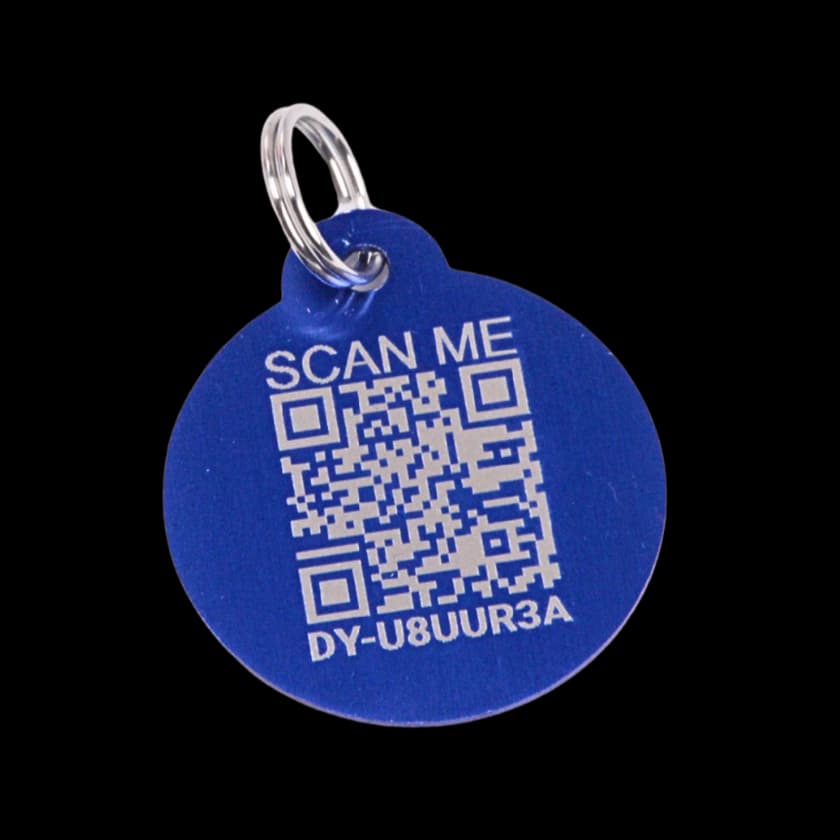
The phrase “digital pet profile” sounds technical, but the underlying idea is simple: instead of relying on whatever fits on a small engraved tag, you put your pet’s key information online — and put a QR code on the collar that opens that page. Most pet owners eventually meet this concept when they get a smart tag. Here’s what it actually is.
What the public page shows
On the Driyu public page, the available information includes:
- Identity: pet name, photo, breed, saved distinguishing marks, and the owner’s name. The five contact settings do not hide that owner name.
- Contacts: available phone and email, plus city and state when both are shared and present. The owner card requires a visible phone or email.
- Emergency contacts: saved contacts when their account sharing setting allows them to appear.
- Microchip: the number appears when the pet is marked as microchipped and a number is saved.
- Recovery context: saved temperament and behavior notes, and active medical alerts enabled for scans. Older allergy text may appear when no qualifying alert is present. Saved finder instructions appear only when the pet or tag is marked lost.
What the public page does not do
- It is not live location tracking. The printed QR opens a public web page that can also be opened through its link.
- It does not update a microchip registry. Manage that separate record through the registry’s own process.
- It is not your full private care record. Do not copy private information into public notes. Opening the scan page can also create a scan-history record; public display and service activity are different.
- It does not replace a veterinarian. Medical alerts on a profile are quick notes for finders, not a treatment plan.
How the recovery flow actually works
When someone finds a pet wearing a QR tag, the flow is short:
- Scan the code with a compatible phone camera and open it in a browser. Loading the page needs internet access; a finder does not need the Driyu app.
- The public page opens with the pet information and contact options available in its current state.
- Choose an available action: use a visible contact or, when the pet or tag is marked lost, open the found-pet report form.
- An accepted report starts notification attempts. Saving the report does not guarantee delivery. Simply opening the page does not send a found-pet alert.
Why owner control matters
Driyu has five account settings for sharing phone, email, city, state and emergency contacts. These are not separate controls for every pet field. Saved notes and distinguishing marks can also be public. Review the actual page after changing information.
How a Driyu profile works
The public page shows the pet’s identity and available recovery details. It shows a microchip number only when the pet is marked as microchipped and a number is saved. Medical alerts must be active and enabled for the scan page; saved legacy allergy information can also appear. Driyu does not verify these owner-entered details. Lost status adds saved finder instructions and the report form. See the normal and lost-pet examples.
A short FAQ
Is this the same as microchip registration? No. The public page and the registry are separate. Saving information in Driyu does not update the registry.
What can a finder see? The public page, including populated pet details and available contacts. The five contact settings do not hide every field. City and state appear together only when both are shared and present, within an owner card that requires a visible phone or email.
Does the profile track my pet? No. Driyu is not GPS tracking. Anyone with the public link can open it, without scanning again or having the pet.
What if my information changes? Save the correction and reopen the public page to check it. A working tag can keep using the same link for that pet; printed material and separate registry records do not update with it.
What if the website is unavailable? The web page needs an available service and internet connection. Keep other identification routes current as well; registry contact lookup also depends on the relevant service.
The page offers a way to see recovery information and seek contact. It complements other identification and care records without guaranteeing a reunion.
Sources and further reading
- AAHA — Microchips and separate registry records.
- ASPCA — General Pet Care and Identification Resources. Pet welfare organization with general pet ID guidance. aspca.org
- Driyu Privacy Policy — the demo’s copy of the English policy.