
Why we built Driyu
The thinking behind Driyu — what we noticed about pet identification, the boundaries we set, and what we hope a small platform can do for families.
THE DRIYU JOURNAL
Driyu Story
In this reading
Driyu started with a simple observation: the moment a pet gets lost, the systems built to bring them home rely on small, ordinary things being current — a phone number, a microchip registration, a tag that someone can actually read. When those things drift out of date, the whole recovery story changes. We wanted to make those small things easier to keep current, and easier to share, without turning a pet’s safety into another piece of software to manage.
The problem we want to make easier
Imagine searching for a missing pet while the engraved tag has an old number, the microchip registry needs updating, and the emergency clinic’s details are hard to find. This is an illustration of the coordination problem, not a documented founder incident. Keeping each contact route current is practical preparation families can act on.
What we wanted to build
A small set of things, done carefully:
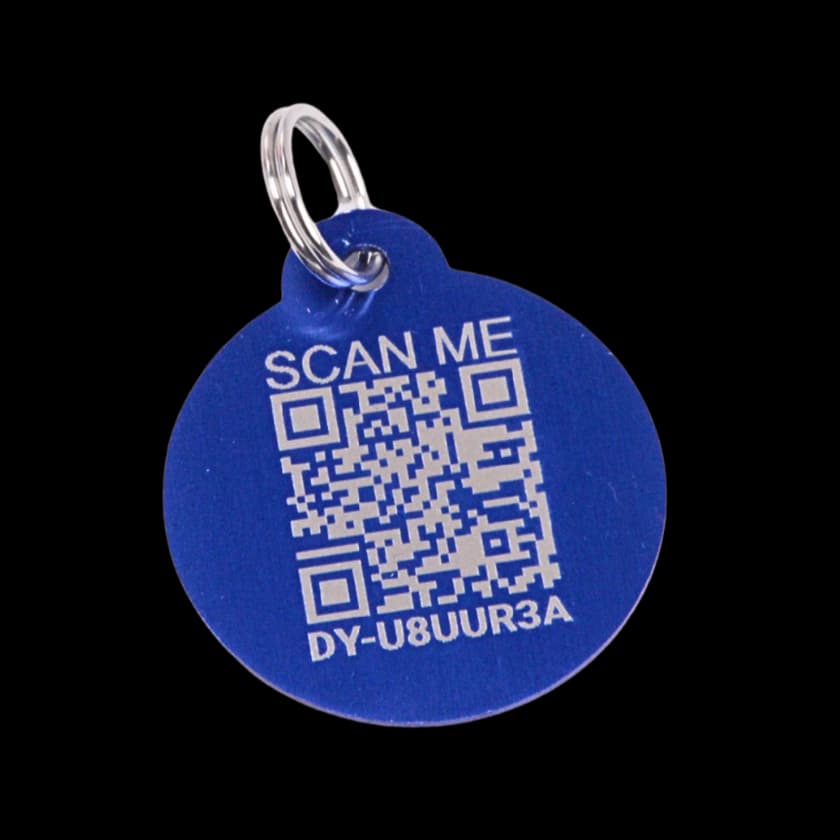
- A visible QR tag that opens a linked public page in a compatible phone browser with internet access, without requiring the finder to install the app.
- An editable pet profile and five account-level controls for public phone, email, city, state, and emergency contacts. The owner name and saved pet details are not all covered by those switches.
- A few practical tools alongside the tag — emergency contacts, brief medical alerts, microchip number — kept in one place so they don’t scatter back into drawers and folders.
- Lost Mode: when the pet or tag is marked lost, the finder can submit a report. An accepted report starts notification attempts; simply opening the page does not send an owner alert.
The boundaries we set
It was easier to write the list of things we didn’t want to build than the list of things we did.
- Driyu does not replace a microchip. Microchips are the durable, vet-readable identification layer. Our QR tag sits alongside the microchip, not against it.
- Driyu does not replace a veterinarian. Care records, public alerts, and informational tools help organize information; they do not provide a veterinary diagnosis or replace a treatment plan.
- Driyu does not guarantee recovery. No tool can. We try to make the moments before, during, and after a lost-pet event easier — but the people, the shelters, and the systems around your pet are still what do most of the work.
- Partners can help families discover Driyu and obtain tags. Review the current partner information for the arrangements available to a particular organization.
- Public recovery information requires deliberate choices. Review the visible page, keep private records in the appropriate care tools, and remember that anyone with a public link can open it.
What we hope it does
Most reunions don’t come from a single tool. They come from a phone call, a neighbor’s post, a shelter scan, a friend who shared a photo, a finder who took the time to fill in a form. We’re trying to make one part of that chain — the visible, owner-controlled, phone-ready part — slightly easier and slightly more current than it has been. If a tag stays up to date, if a phone number reaches the right person, if a finder gets a calm page to look at when they’re trying to help: that’s the win.
Safer. Reachable. Loved.
These three words sit at the top of how we think about the product. Safer — because the way to lower the cost of a hard moment is to be ready before it. Reachable — because a finder should have a clear path to contact you fast. Loved — because the work of caring for a pet doesn’t pause for an emergency, and the platform shouldn’t either.
If any of this resonates, you’re probably already part of the work. Pets deserve protection that feels as constant as the love families have for them. That’s the smallest piece we’re trying to help with.