
How shelters and rescues benefit from digital pet IDs
Shelters and rescues do the hardest version of the work: reuniting pets with families they have never met, on a deadline, with whatever paperwork the pet showed up with. A scannable digital ID is one small layer that can shorten that work, when an owner has set it up before the lost-pet moment.
THE DRIYU JOURNAL
Driyu Story
In this reading
Quick answer: A current, readable QR tag can give shelter staff another way to contact the owner. It complements microchip scanning and standard intake; it does not guarantee a faster response or reunion.
A note about lost-pet recovery
No tool can guarantee a lost pet will be found. Driyu can help organize information and make contact easier when someone scans or reports a found pet, but recovery also depends on the situation, the finder, local shelters, microchip registration, and your search actions.
Microchip recovery requires a readable chip and a route to current registry contacts. Outdated details, unregistered chips, and unreachable contacts can all cause problems. A QR page offers a separate contact route; both records need maintenance.
What a digital pet ID is, in shelter context
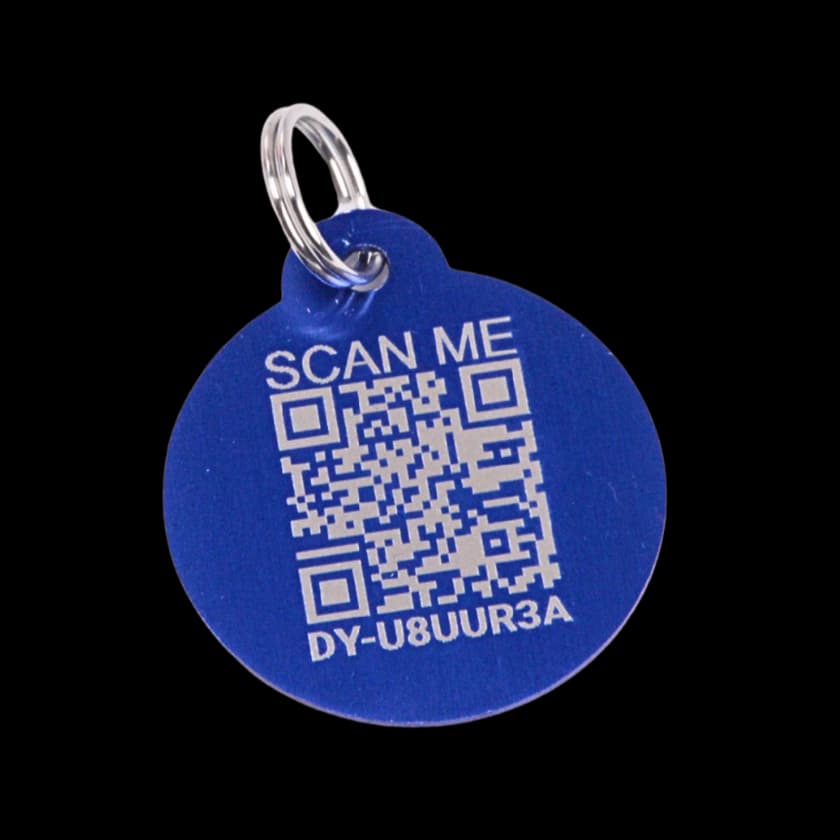
An activated external QR tag links to a public pet page that a person can open with an internet-connected phone. For Driyu, no finder account is required. Account settings control certain contact fields, while other saved pet details are public. See how the profile works.
Where it quietly helps
Five small wins, none of them dramatic, all of them ordinary:
- Another contact route. Staff can try a visible phone or email without first locating the microchip registry. Neither route guarantees a response.
- Better confidence on photo match. A shelter intake photo and the digital ID photo together make it easier to confirm the right pet, especially for breeds that look similar.
- Selected safety information. Driyu can show populated behavior notes and eligible medical alerts marked for public display. Full private records are separate; recovery instructions require the pet or tag to be marked lost.
- Backup contacts. Listed emergency contacts may provide another option if the owner does not answer; confirm their consent and availability in advance.
- Adoption preparation. Set up the new household’s information, activate or correctly transfer the tag, and complete the separate microchip registry process. A profile alone does not activate a tag.
What digital IDs cannot do
An honest list:
- A missing collar removes that physical QR route. An implanted microchip provides a separate identification layer.
- No info, no contact. A digital ID is only useful if the owner kept it current. A two-year-old phone number on a digital tag is no better than a two-year-old phone number on a registry record.
- No GPS tracking or automatic scan alert. Reading the tag page requires internet access and does not by itself notify the owner.
- No replacement for shelter intake. Even if contact is made instantly, the shelter intake record matters — for legal hold periods, for medical screening, and for community trust.
For the broader layered-defense framing, see microchip, QR tag, or both?
For adopters: a clean restart
A newly adopted pet may be unsettled in an unfamiliar home. Prepare secure transport and identification before the journey, confirm current contacts, and complete the registry steps with the shelter. See the new-adopter checklist.
For shelter staff and volunteers
A short etiquette list when a found pet arrives with a digital tag:
- Scan the tag with a phone camera. Note what the public page shows.
- Continue with the standard intake — microchip scan, photo, weight, condition note — even if the digital tag worked. The two paths back each other up.
- Use an available contact method and follow the shelter’s communication procedure. Do not assume opening the page sent an alert.
- Treat any owner information you see — phone, email, address — the way you would treat any personal record. Used for the reunion, not shared.
- Note the digital tag’s presence on the intake record. It is useful evidence the pet had ID at intake.
For owners who want to support shelters
The most useful thing you can do is keep your information current. A digital tag with a dead phone number is just a sticker. A digital tag with a current phone, a current photo, and a current emergency contact is what a shelter staff member is hoping for at 4pm on a Friday. For the cadence, see your pet profile refresh schedule.
Where Driyu fits, honestly
Driyu provides identification and care-organization tools. It does not replace shelter intake, professional care, registry maintenance, or the people arranging a reunion. Learn about Driyu’s shelter resources without assuming an affiliation with any particular organization.