
Your pet profile refresh schedule: what to update and when
Contact details and pet information change. A regular review helps you notice outdated information before you need it in a recovery.
THE DRIYU JOURNAL
Records & Paperwork
In this reading
Quick answer: Choose a regular review date, such as every six months, and update important changes when they happen. Check Driyu, the separate microchip registry and any physical ID. This is an organizational suggestion, not a veterinary schedule or an automatic sync.
A note about privacy
Public recovery pages may show the information the owner chooses to provide or make visible. Review your settings and Driyu's current Privacy Policy for the latest details. Do not share information publicly that you are not comfortable making visible to a finder.
Keep the review small enough to repeat. A calendar reminder can help, but a new phone number, caregiver or address should not wait until that date.
The twice-a-year ritual
Pick a calendar anchor you already remember. Two examples that work:
- A familiar calendar date. Choose a recurring date you will remember. A records review does not set the timing of veterinary visits or vaccinations.
- A second date later in the year. Put it on your calendar rather than depending on a clock change that may not apply where you live.
Whichever you pick, write the second refresh date in your calendar before you close this guide. The reminder is the entire system.
What to check, every six months
A short, ordered checklist:
- Phone number. Confirm the saved account number is current. If you keep it visible, check it on the public page; if hidden, confirm another reachable contact route remains.
- Photo. Use a recognizable image that reflects your pet’s current appearance. Replace it when needed and check the background for private details.
- Emergency contacts. Check each saved contact, their agreement to be listed and whether they are still reachable. There is no need to assume exactly two.
- Vet phone. Confirm the clinic name and number are current; if you have switched, update.
- Microchip registry. Review the record with the registry separately. Saving a Driyu profile does not update it. See registration and the chip itself.
- Rabies certificate. Is the paper copy still in the labeled folder? Is the digital scan still readable?
- Private care records. Keep the records consistent with your veterinarian’s instructions. Temperament and behavior notes can be public; do not use that field as a private medical notebook.
- Public visibility. Review the five owner-account contact settings, public text and photos, and any alert’s scan setting. Keep at least one reachable contact channel.
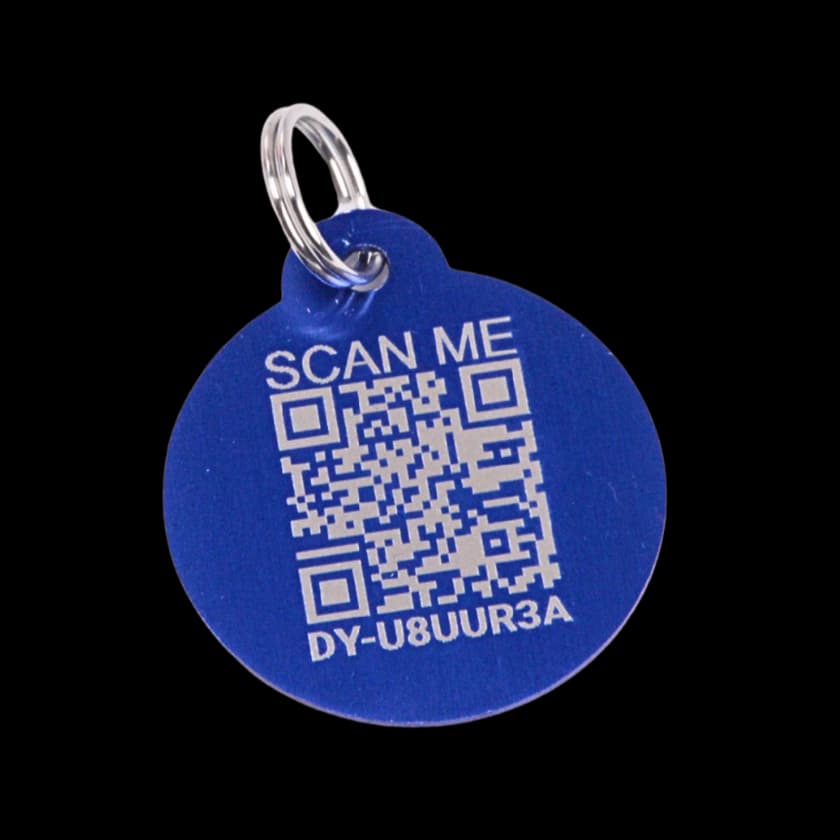
- Tag physically. Is the QR tag (or engraved tag) still on the collar? Has it scratched up enough to be hard to read?
- Pet weight. If you track it, add the new measurement with its date and units while keeping earlier readings for comparison. See why weight trends matter.
Triggers that override the schedule
Some changes deserve an immediate refresh, not the next scheduled one:
- You change your phone number.
- You move — even within the same city.
- You switch vets.
- You adopt or rehome.
- Your pet’s appearance changes meaningfully (a haircut, weight change, scar).
- You add or remove an emergency contact.
- A pet has just come home from being lost — small details often need updating after a recovery.
- You started a new medication or stopped one.
Update contact changes promptly. Record care changes from your veterinarian’s instructions in the appropriate private area, then decide separately whether any public recovery detail needs updating.
Multi-pet households
If you have more than one pet, do them in the same sitting — same coffee, same evening, all profiles, all chips. Otherwise the third dog ends up six months behind the first. A shared checklist taped to the inside of the records folder is enough. For more on multi-pet organization, see multi-pet households: keeping records, schedules, and IDs organized.
What about the paper binder?
Keep original records and add current summaries without discarding useful history just because it is old. Separate current care instructions from archived documents so a caregiver can find the right information. See paper and digital record organization.
Where Driyu fits, honestly
Driyu has separate areas for owner-account details, pet information and private care records. Contact visibility belongs to the owner account. Review the public scan page after saving relevant changes. Updating Driyu does not update a microchip registry for you; maintain that separate record too.
Sources and further reading
- American Veterinary Medical Association — Microchipping FAQ. Why current registry information is the critical piece of microchip recovery. AVMA — Microchipping your pet · PDF
- AAHA — Nutrition and weight-management guidance.
- ASPCA — Lost pet prevention. Why up-to-date contact information matters more than any single tag technology. ASPCA — Finding a lost pet