
Pet binder vs digital pet profile: when each one actually wins
Paper and digital records serve different needs. Keep important originals and usable offline copies alongside current digital information.
THE DRIYU JOURNAL
Records & Paperwork
In this reading
Paper can be read without a charged phone or internet. Digital records can be easier to update and carry. Confirm which originals or certified documents each provider or destination requires, and keep essential contacts available in both formats.
A note about privacy
Public recovery pages may show the information the owner chooses to provide or make visible. Review your settings and Driyu's current Privacy Policy for the latest details. Do not share information publicly that you are not comfortable making visible to a finder.
The honest answer to “paper or digital?” is “both, for different reasons.” This guide walks through what each format is genuinely better at, what to put where, and how to keep the two layers in sync without making your kitchen drawer a paperwork museum.
Why paper still earns its place
Paper is not nostalgia. It does three things very well:
- It survives a dead phone. A binder on your shelf does not need a charger, a password, or a working data connection.
- It transfers easily. A neighbor watching your pet for a weekend, a parent helping after a hospital stay, a sitter who is not in your apps — all of them can read paper.
- Original or certified documents. Some facilities or destinations require particular formats; an ordinary photo may not qualify. Check before travelling or attending.
Why digital earns its place
Digital records can help in these ways:
- Updating current information. Save changes and check the actual result. Printed copies, screenshots, separate registries, and previously sent files do not update with it.
- Finding records. Clear labels and dates can make a relevant document easier to locate; search and access options depend on the tool.
- Access away from home. An authorized person may open records on a connected device. Prepare separate offline copies for places without service.
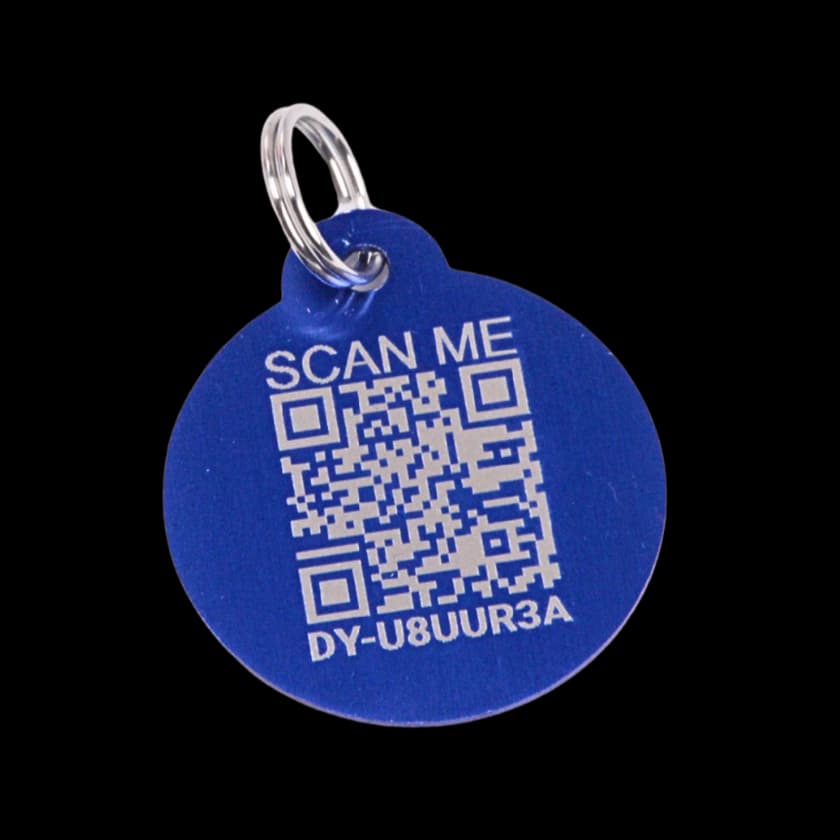
The mistake is treating the two as competitors. They cover different failure modes. If you want a deeper picture of how a digital profile complements physical ID, our piece on microchip vs. QR tag ID layers walks through the layered-defense idea on the ID side.
What belongs in the paper binder
Use labeled sections and keep the documents your pet needs, without an arbitrary page limit:
- Rabies certificate and other documentation required for the planned travel or care.
- Vaccine summary from your vet, showing dates and lot numbers.
- Microchip enrollment letter from the registry (not just the chip number).
- Adoption or breeder paperwork — especially useful for an older pet whose history matters.
- Spay or neuter certificate.
- Most recent health-summary print-out from a vet visit.
- A readable emergency contact sheet with owner and backup contacts, clinic details, and a recognizable photo.
What belongs in the digital profile
Keep digital recovery details and private care records in the appropriate separate areas:
- A photo that reflects the pet’s current appearance.
- Your current phone number and email, with the privacy toggles set the way you want them.
- Emergency contacts who agree to be listed, with current numbers and a clear plan for helping.
- Private medication records with current prescribed instructions; in Driyu, medical records have limited Free capacity and more capacity with Pro.
- Clinic contacts in your care records and emergency plan; do not assume the public tag page is a full veterinary directory.
- Microchip number for quick reference, with the registry name.
For more on which information owners actually choose to make public on a scan page versus keep private, see what to include on a pet tag profile.
The handoff items that need both
Keep essential contacts and identification in accessible paper and digital copies. Update important changes immediately; a regular review helps catch anything missed. Updating Driyu does not update the separate microchip registry or your paper binder.
Where Driyu fits, honestly
Driyu has a public recovery page and separate private care tools. Medical Records and Cloud Vault have limited Free capacity; Pro expands it; full records do not appear when a finder scans the tag. Keep required originals and offline copies too, and maintain microchip registration separately.
Sources and further reading
- American Red Cross — Pet emergency planning and document copies.
- Oregon VMA — Selecting a veterinarian (AVMA guidance)
- ASPCA — General Pet Care. Records and identification guidance from a major pet welfare organization. aspca.org