
The Journal by Driyu.
Little reads for a more thoughtful life together.
Explore the library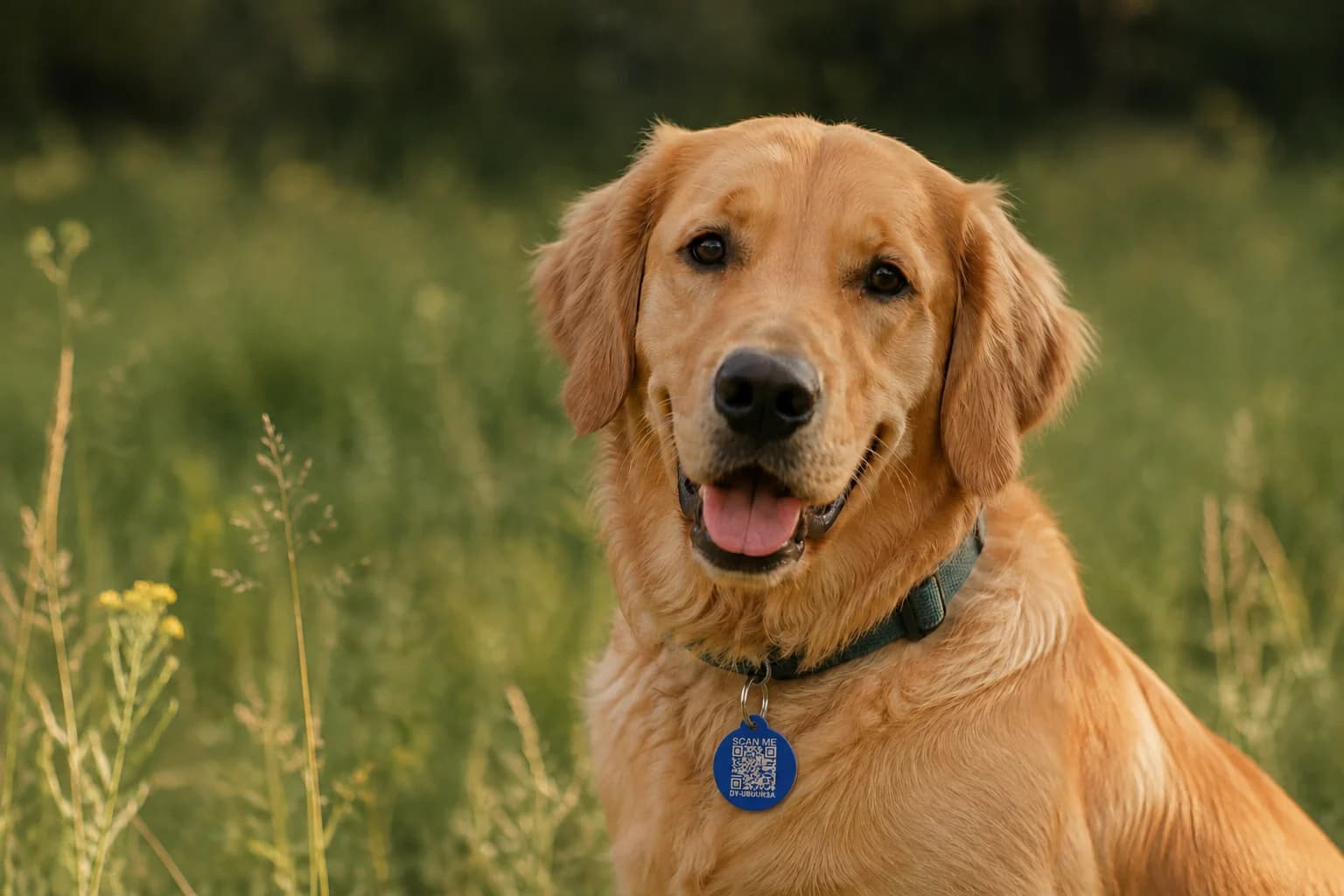 MILO · OUR SAMPLE COMPANION
A TAG. A PAGE. A CONNECTION.
What happens when someone scans your pet's QR tag?
A small blue tag opens a very practical conversation: who is this pet, and how can I reach their person?
Open the storyA good place to begin.
RECOVER · SHARE · PREPARELost Pet Recovery
What to do in the first hour your pet is missing
A calm guide for the first hour your pet is missing: what to look for, who to tell, and how to stay organized when minutes feel long.
Driyu Story
Shared pet care in Driyu: for families and roommates
One pet, several people, and a clear answer to who can do what.
Health & Daily Care
How to keep your pet's health records organized
A useful record is one you can find, understand, and bring to the next conversation.
WELCOME
Welcome to the Driyu family
A short welcome to our guides on safety, recovery and being prepared for life with pets.
More videos with SophiaRead the captionsVideo transcript
What Sophia says in this video, with timestamps. Read without playing it. Also check the accompanying note and guide for the current process.
- Time 0:00
Hi, I'm Sophia, Driyu's AI Guide Avatar.
- Time 0:03
Welcome to the Driyu blog.
- Time 0:05
At Driyu, our mission is simple, to help pets stay safer,
- Time 0:10
easier to identify, and always connected to the people who love them.
- Time 0:14
We created this blog as a helpful place for pet owners,
- Time 0:17
a place where you can learn, feel supported, and find simple information that
- Time 0:22
helps you take better care of your pets every day.
- Time 0:25
Here, we share articles, guides, tips, and helpful stories about pet safety,
- Time 0:30
pet health, smart tag use, recovery tips, and the growing Driyu community.
- Time 0:35
We are constantly adding new content, and we hope this blog becomes a place
- Time 0:40
you can come back to whenever you need helpful information for your pet.
- Time 0:43
So take a look around, learn at your own pace, and come back anytime.
- Time 0:48
Welcome to the Driyu family.
- Time 0:50
Together, we can build a better, safer world for pets.
THE DRIYU LIBRARY
Find your next good read.
178 guides · All guides
From foster home to forever home: helping pets carry their story forward
A foster home is more than a place to wait. It is where a pet learns to trust again — and where the small, important details of who they are can be gathered and carried forward to their forever family.
Driyu account vs pet profile: what is the difference?
Driyu has two layers: your account (the owner) and the pet profile (the records, photo, and finder-facing page). New users sometimes confuse them. The two-minute version below clears it up.
How Driyu keeps your phone number controllable
You can choose whether your phone number appears on the public recovery page. This is an account setting shared by the pets you own. Hiding it leaves the other contact details you keep visible. The report form appears when the pet or tag is marked lost.
How Driyu works with your microchip registry (not as a replacement)
Driyu and microchip registration are separate ways to connect identification with contact information. Keep both current; saving information in one does not update the other.
Lost Mode explained: what the finder sees when you flip the switch
When a pet goes missing, the few seconds before a finder decides what to do matter. Lost Mode adds a clear alert banner to the public scan page so the finder knows the pet is actively missing.
Anatomy of a complete Driyu pet profile: six sections that matter
A useful pet profile brings the right information together. The six topics below are a checklist, not a promise that every item appears on the public tag page or belongs to the same app screen.
Updating Driyu after a phone number change: step-by-step
Changing your phone number can leave pet identification out of date. Update your Driyu account and your microchip registry separately, then check how someone could reach you.
Shared pet care in Driyu: for families and roommates
One pet, several people, and a clear answer to who can do what.
Accidental scans of a Driyu tag: what actually happens?
Someone scans the tag while saying hello to your dog. The public page opens and the visit can increase the scan count. That action alone does not send an owner notification.
Driyu pet profile pre-publish checklist for owners
Check the pet’s identity, contact routes and public visibility before relying on a tag. Inspect the actual scan page from another phone.
Driyu pet profile life events: when to refresh each section
A pet profile is most useful when it is current. Tying refreshes to life events keeps it accurate without much effort.
How Driyu keeps your home address off the public scan page
Driyu’s public scan page does not use the home-address field from your account. Your public text and photos still need a separate privacy check.
When Driyu notifies the owner — and when it does not
Opening a public tag page and submitting a finder report are different actions. A scan is recorded, but does not by itself send an owner alert. A successfully saved report starts the notification process; delivery is not guaranteed.
Driyu QR tag vs Bluetooth pet tracker: when to use each
A QR tag gives a finder a way to open contact information. A Bluetooth item tracker can help its owner locate an attached item. Neither guarantees that a lost pet will be found.
Driyu profile vs microchip registry only: pros and cons
A registry record and a Driyu recovery page serve different identification routes. This comparison describes those routes, not proof of ownership or a guaranteed outcome.
One Driyu tag or multiple tags per pet: decision guide
Before adding a tag, consider where you need identification and check which pet each code opens. A spare tag needs its own linking step.
Driyu public profile vs paper lost-pet poster: not competitors
A public recovery page offers information and contact options. A printed poster can help people recognize a pet or report a sighting. Their roles are different.
Cloud Vault vs paper folder for pet records: pros and cons
Paper records are useful when a phone is unavailable. A separate digital copy reduces dependence on one physical folder, but still needs working access. Plan for both.
Driyu profile vs vet clinic portal records: overlap and gap
Clinic documents and the information you maintain in Driyu serve different purposes. Keep originals and distinguish private care records from public recovery details.
Driyu profile vs pet sitter notes app: when each helps
A Driyu pet profile is identity and records, owner-controlled. A pet sitter notes app is operational notes during a specific stay. They serve different moments.
Driyu tag vs engraved-only tag: a decision framework
An engraved number can be read without opening a website. A linked Driyu QR tag opens a public recovery page. Compare what each offers and what each needs to work.
Houston hurricane pet evacuation: a 2026 checklist
Prepare your pet’s evacuation kit and identification before a storm threatens. Houston households also need a plan for receiving local alerts, checking evacuation instructions and confirming a destination that can accept their animals.
Texas heat pet safety: a pocket guide for owners
Heat can become dangerous for pets quickly. Prepare a cooler place, check conditions before activity and know which veterinary clinic to call. A clock time or a single temperature does not establish that a walk is safe.
Texas pet poison and emergency vet resource list
Texas pet households should keep emergency vet and poison-control contacts saved before an emergency happens. The minutes you save dialing matter.
DFW airport pet travel checklist
A trip through DFW starts with the operating airline’s rules, your pet’s needs and the requirements at your destination. Confirm the details for the actual itinerary before paying for travel.
Austin-area pet-friendly evacuation routes and shelters
Prepare for leaving with your pets and for sheltering safely when instructed. The right action in an Austin-area emergency depends on the hazard and your exact location, not a standard direction of travel.
Apartment fire: prepare a pet evacuation plan
A fire can leave very little time to escape. Prepare the equipment and household plan in advance, while recognizing that no rehearsal guarantees how a frightened pet will respond.
Car pet emergency info card for the glovebox
A small printed card gives helpers a way to find essential pet contacts without unlocking your phone. It supports an emergency plan but cannot guarantee that responders will find or read it.
Power outage extended pet care routine checklist
A long power outage stresses humans and pets. Medication storage, temperature regulation, food safety, and household coordination all need a plan when the lights go out.
Why cat finder instructions differ from dog finder instructions
Write finder instructions for the individual animal, not a stereotype about cats or dogs. Either can be frightened, injured or defensive when separated from home.
Lost indoor cat first hour: nearby search method
An indoor cat may hide close to the escape point, but there is no guaranteed distance or return time. Start a careful nearby search while alerting neighbors and local animal services.
Cat hiding spots to document on a pet profile
A private list of observed hiding places gives a caregiver or search helper useful places to check. It is a starting point, not proof that the cat is in one of them.
Cat sitter pre-departure conversation script
Before you leave, walk through the cat’s routine with the sitter and leave a private written copy. Take the time needed to answer questions and check access.
Cat medication routine handoff template
A written medication handoff gives the sitter a reference and a place to note questions. Check it against the current veterinary instructions before care begins.
Senior cat pet profile completion checklist
Keep an older cat’s current care instructions easy to find. Record diagnosed conditions, prescribed treatment, handling needs and the people who can help, without assuming every older cat needs the same medicines or tests.
Multi-cat household emergency evacuation plan document
An evacuation plan for several cats needs enough suitable carriers, named helpers and a way to confirm which animals are accounted for. Prepare it before an emergency.
Cat carrier emergency luggage-style info card
A readable carrier label gives helpers basic contacts without opening a phone. Keep it current and remember that it stays with the carrier, not necessarily with the cat.
Dog temperament notes that help a finder
A finder needs short instructions that describe your dog’s observed needs and explain how to contact you safely. Avoid promises about how the dog will behave with a stranger.
Dog medication routine handoff template for sitters
A written medication handoff gives the sitter a reference and a place to note questions. Check it against the current veterinary instructions before care begins.
Senior dog pet profile completion checklist
Keep your older dog’s current care plan easy for trusted caregivers to find. Record confirmed diagnoses, prescribed treatment and handling needs without assuming every senior dog needs the same care.
Puppy pet profile checklist before first-year vet visits
Start a clear record of your puppy’s identification and veterinary care. Keep dated source documents and update the information after visits; creating a profile does not import the history automatically.
Dog boarding behavior honesty checklist for owners
A boarding facility cannot help your dog if you hide what they need to know. Honesty about behavior, even uncomfortable parts, protects everyone.
Dog walker emergency handoff script
An unexpected change of plans is easier to handle with a short, private care brief. Confirm the dog’s current routine, the next task and who can help.
Dog travel ID paperwork checklist for pet owners
Prepare travel documents for your exact route, destination and carrier. A useful folder keeps confirmed requirements together; it does not guarantee boarding or entry.
Shy or reactive dog public profile language guide
Use the public profile to describe relevant behavior clearly and ask a finder to contact you. A note should not promise that an unfamiliar dog is safe to handle.
Foster coordinator multi-pet information binder
Coordinating several foster pets calls for clear, dated records and named responsibilities. Give each pet a distinct reference and share information according to the recipient’s role.
Shelter adoption day-of handoff information script
Use adoption day to review the pet’s records, current needs and next steps with the new family. Leave a written copy and explain how they can ask follow-up questions.
Rescue transport relay pet information card
A rescue journey may involve several drivers and handoffs. A current information card helps each person identify the animal, understand their responsibilities and contact the coordinators.
Groomer intake form pet owner prefill guide
A groomer’s intake form runs faster when the owner prefills the basics. The groomer can then focus on the pet, not the paperwork.
Boarding facility pet owner pre-arrival checklist
A boarding facility runs smoothly when arrivals are ready. A pre-arrival checklist catches the misses before they slow check-in.
Daycare trial day pet information checklist
A trial visit can help a daycare assess whether its setting suits your dog. Provide accurate history and agree how staff will respond if the dog is distressed or unsafe.
Dog leash training for a new puppy: a step-by-step calm guide
Introduce a leash in a quiet, safe setting with short, supervised sessions. Reward comfortable participation and build gradually at the puppy’s pace.
Dog crate training records: what to share with a sitter or boarder
Give the sitter a clear account of the dog’s familiar crate routine and the agreed alternative if it is not working. Keep the household logistics in a private handoff.
Loose-leash walking: the notes worth tracking week by week
A brief walking log can help you describe what happened to a trainer. Note the setting, duration, rewards and observed behavior without assuming the log proves a cause.
Dog grooming notes: what to share with your groomer
Bring concise, current notes to a grooming appointment so you and the groomer can discuss the dog’s needs and the proposed service.
Dog ear issues: the warning signs owners should document
If your dog develops ear discomfort, note what you observe and contact the veterinarian. A description helps the consultation but cannot diagnose the problem.
Dog reactivity: the calm notes a trainer or behaviorist needs
Specific observations help a qualified professional understand the concerns you are seeing. Keep notes without provoking a reaction or delaying help.
Dog bite prevention for families and finders
Any dog can bite, including a familiar pet. Supervision, space and appropriate help matter; a short guide cannot predict or prevent every incident.
The dog walker handoff: what to leave for someone walking your dog
Give your dog walker a clear written brief: familiar cues, equipment, known reactions and who to call. Agree which details belong in a private handoff and which can appear on the public pet profile.
Is your dog ready for daycare? A pre-enrollment readiness checklist
Daycare suits some dogs and is stressful for others. Review the individual dog’s needs and the facility’s arrangements before making a commitment.
Dog house training records for new owners
A simple record can help you discuss toilet habits with your veterinarian or trainer. It supports observation; it does not replace training or establish that a problem is behavioral.
Dog noise sensitivity: daily coping strategies between the loud days
If ordinary noises distress your dog, note the situations and ask for help. A comfortable routine may support the dog, but severe fear needs an individual plan.
Helping your dog greet strangers safely in public
You can decline a greeting and give your dog space. Clear boundaries support safe handling, but permission or a friendly description does not guarantee that contact is safe.
Cat hiding behavior: what to track before calling the vet
Hiding can accompany ordinary stress, pain or illness. Note changes and seek advice when concerned; a few days of observations cannot determine the cause or rule out a problem.
Cat scratching and enrichment: notes to leave with a caregiver
Give a cat’s caregiver a short private brief about familiar resources, play preferences and what to observe. A new person should not have to guess the routine.
Cat dental care: the home routine and records to keep
Dental problems can cause pain without obvious signs. Keep notes and seek veterinary advice for changes rather than waiting for a routine appointment or assuming brushing will prevent every problem.
Cat weight changes: the subtle signs owners miss
Weight changes can be difficult to notice under a cat’s coat. Consistent measurements and observations help the veterinarian assess a change; they do not diagnose its cause.
Senior cat medication routine: a calm caregiver checklist
When an older cat needs medication, keep the current veterinary instructions together and confirm who gives each dose. The schedule must follow the prescription, not a convenient meal or nap time.
Kitten vaccine and deworming records: a tracking template
Keep the kitten’s source records from the first available visit and mark unknown history clearly. A template helps organize care already given and the veterinarian’s next steps; it does not set the schedule.
Cat grooming and mat prevention: notes worth keeping
Check your cat’s coat regularly and ask about any change in grooming. A suitable care routine can help with tangles, while painful mats or skin problems need professional attention.
Cat acclimation after a move: a slow, sane checklist
Prepare a secure, comfortable space and current identification before a move. Gradual access can help a cat adjust, but timing varies and identification does not prevent an escape.
The cat sitter handoff: a calm checklist for shy-cat households
A cat-sitter brief should explain the individual cat’s routine, care needs and contacts. Show the sitter what to check and keep the household details private.
What to put on a cat carrier emergency info label
A readable carrier label provides basic identification and contacts when a phone cannot connect. It stays with the carrier, so it should complement identification on the animal.
Cat boarding preparation: a calm pre-drop-off checklist
Before a boarding stay, discuss the individual cat’s health, behavior and routine with the facility. Preparation supports the handoff but cannot guarantee that boarding is the right setting.
Cat behavior notes for the vet: what helps the visit actually help
Your observations can help the veterinarian understand a behavior change. Bring what you know without worrying about a perfect log; diagnosis may still require examination and tests.
Pet food storage: keep it fresh, safe, and traceable
Keep pet food according to the product’s instructions and retain its identifying label. Clear records help you check a suspected problem or recall.
Raw feeding: the records to keep and the conversation to have with your vet
If your pet eats raw food, give your veterinarian an accurate account of the diet and ask about safer, nutritionally suitable options. Records cannot remove contamination or nutritional risks.
Treat portion control: the small records that protect your pet’s weight
Treats, chews and food used for medication all contribute to intake. A short record helps the household follow an agreed feeding plan.
Senior pet diet changes: the records that help your vet help your pet
An older pet’s food may need to change as health and appetite change. A dated record helps the veterinarian understand what the pet actually eats and how it responds.
Prescription diets for pets: the records to keep at home
Therapeutic foods can be part of a veterinary treatment plan. A home record helps the vet assess intake and response before changing that plan.
Tracking pet food allergies: the elimination diet, calmly
A veterinarian-supervised elimination diet and food challenge can help diagnose a food allergy. Clear instructions and an honest record of everything eaten make the results easier to interpret.
Vet visit prep: the questions worth writing down before the visit
A short written list helps you bring the important questions to a vet appointment. Put the main concern first and keep the current treatment details alongside it.
How to update pet records after every vet appointment
A short update after each appointment makes the next visit easier to prepare for. Use the clinic’s written summary as the reference and check any details you are unsure about.
What to do after changing vets
When changing veterinary clinics, arrange records and follow-up before medication or care is interrupted. The right timetable depends on your pet’s condition and the new clinic’s availability.
Coordinating multiple-pet vet schedules without losing your mind
Each pet has its own care schedule. One shared calendar can help the household see upcoming appointments and refills while keeping the records for each animal separate.
Starting a new pet medication: how to update records cleanly
When a new medicine starts, turn the clinic’s instructions into a clear home record. Confirm unclear details before the first dose and make sure every caregiver knows the plan.
How vaccine records help during emergency vet visits
During an emergency, the veterinary team needs a clear account of what happened and any relevant medical history. Accessible vaccine records can help, but finding paperwork must not delay urgent care.
Airline pet policies: what to know before you book
Check pet acceptance before buying a flight. Rules vary by operating airline, route, aircraft and travel date, and a general “pet-friendly” label does not confirm a place for your animal.
Road-trip pet safety: a calm pre-departure checklist
Before a road trip, plan safe restraint, water, identification and breaks around your pet’s needs. Preparation reduces avoidable problems but cannot remove every risk.
Hotel stays with pets: a calm check-in checklist
An unfamiliar room can be stressful for a pet. Confirm the hotel’s rules, check the room for hazards and plan care and toileting before settling in.
Fire evacuation for pet owners: a calm go-bag and identity plan
Plan for pets before a fire. Keep carriers, leads and essential supplies ready, but in an active house fire prioritize getting out and staying out.
Tornado safety for pets: a quiet plan for loud days
A tornado warning may leave very little time to reach shelter. Bring pets indoors before severe weather arrives and plan how the household will move to its safest available space.
Why every pet profile needs recent photos
The photo you love most and the photo that helps someone recognize your pet may be different pictures.
The best photos to identify a lost pet (and how to take them)
In a lost-pet search, the right photo is the one a stranger can match to the pet they see. A handful of well-taken photos — not 200 unsorted ones — is the right preparation.
How to write a clear pet description for a finder or shelter
A useful pet description helps someone recognize the animal and find a safe next step. Lead with concrete identifying details and a clear contact instruction.
What NOT to put on a public pet profile
A profile can help a stranger contact you without telling them your whole household’s story.
Importing your adopted pet’s medical history into your records
An adopted pet may arrive with an incomplete history. Request the available records promptly and label unknowns clearly so the new vet can decide what needs follow-up.
The rescue foster handoff: a calm document checklist
When a foster pet moves to a permanent home, prepare the care records and the ownership handoff as separate tasks. Check that the new household can access what it needs.
Shelter-to-home transition: the records to keep on day one
Keep adoption paperwork together and make a few dated observations as your new pet settles in. The aim is a useful starting point, with confirmed facts separated from unknowns.
A shelter volunteer’s pet records template
Shelter volunteers are the connective tissue between intake and adoption. A clean records template makes shifts smoother, behavior observation more useful, and the eventual adoption packet richer.
The backyard pet rescue handoff: when a neighbor finds a stray
A neighbor who finds a loose pet can help by keeping the situation safe, reporting where it was seen and checking identification only when safe to do so.
Dog recall training basics — and why ID still matters
Recall is the most useful skill any dog learns, and the one most owners practice unevenly. A calm, positive build over weeks beats a frantic chase across a parking lot. And even a great recall does not replace ID — it works alongside it.
Dog collar vs. harness: where should the ID tag live?
A small decision with a big consequence: when a dog slips out a door or escapes a yard, the ID has to already be on them. That fact decides where the tag lives.
Dog body language for finders and family members
A dog’s posture can offer clues about discomfort, but no single signal tells you it is safe to approach. Give unfamiliar dogs space and get help when needed.
Puppy first-year vaccine timeline (and records to keep)
Your puppy’s veterinarian sets the vaccine plan. This guide helps you keep the dates and certificates organized and understand why the early series needs follow-up.
Walking dogs in extreme heat: a paw and body safety guide
Heat and hot surfaces can make an ordinary walk unsafe. Choose cooler conditions, watch your dog closely and know how to seek urgent help if overheating is suspected.
Dog separation anxiety: notes to bring to a behaviorist
Start with your veterinarian and a qualified behavior professional. Dated observations, relevant medical records, and realistic household goals can help them assess distress when your dog is alone.
New rescue dog: the first 48 hours at home
A quiet arrival, a manageable routine, and current identification help a newly adopted dog settle in. Adjust the pace to the individual dog and the rescue’s care instructions.
Dog park safety checklist: before you unclip the leash
Observe the park from outside before deciding whether to enter. A check can reveal hazards, but it cannot make every dog or group suitable for off-leash play.
Indoor cat escape prevention: doors, screens, and balconies
An indoor lifestyle does not eliminate escape risk. Secure exits and current identification are useful preparations even for a cat that normally stays inside.
Why indoor cats still need ID
Indoor cats can escape during an unexpected open-door moment. Current identification can help a finder contact you even when outdoor access is not part of the cat’s routine.
Cat carrier comfort: travel without the vet-visit dread
A carrier that appears only before stressful trips can become an unwelcome signal. Gentle practice at the cat’s pace may make transport easier; ask your vet for help when fear remains significant.
New kitten: first 30 days of health, ID, and records
A first-month plan helps organize your kitten’s care and records. Let the veterinarian tailor examinations, vaccines, parasite care, and identification to the kitten’s age and history.
Introducing a new cat to your household: a gradual plan
Introduce cats gradually with separate spaces and access to their own resources. Readiness depends on each cat; a careful introduction can reduce tension but cannot guarantee friendship.
Senior cat care: subtle signs owners should track
Subtle changes in an older cat can be worth discussing with your veterinarian. Record what changed and when; do not wait for a crisis or use notes to diagnose at home.
Litterbox changes as a vet-visit signal
Changes in the litter box can be useful clues, but they do not diagnose an illness. Notice what is different and contact your vet about concerning changes.
Cat body language for finders and family members
A cat’s posture can offer clues about comfort or fear, but no single signal proves it is safe to touch. Give an unfamiliar cat space and seek help when needed.
Pet poisoning emergency: what to tell the vet or hotline
Suspected poisoning needs prompt professional advice. This checklist helps you describe the exposure without delaying care to collect every detail.
Pet emergency go-bag: what to pack before you need it
An evacuation may leave little time to pack. Prepare supplies in advance and review them regularly so the kit fits your pets’ current needs.
Hurricane and storm preparation for pet owners
Prepare a pet-inclusive evacuation plan before storm season, then follow current local instructions as conditions change.
Summer heat safety for dogs and cats
Hot weather can make ordinary activities dangerous for dogs and cats. Plan for cool surroundings, suitable activity, drinking water, and prompt help if signs of illness appear.
Cold weather safety for dogs and cats
Cold, chemicals, slippery surfaces, and hidden animals around vehicles deserve attention in winter. Prepare for the conditions and your pet’s individual needs.
Pet first-aid kit: what to keep at home (and where)
A first-aid kit can support simple measures while you arrange veterinary care. Choose supplies with your vet and learn their safe use before an emergency.
How to read a pet food label: a plain-language guide
A food label can help you identify the intended species, life stage, nutritional purpose, and feeding guidance. It cannot by itself tell you which diet best suits an individual pet.
Switching pet foods: plan the transition with your veterinarian
Gradual food changes can help some pets tolerate a new diet, but there is no timetable suitable for every animal. Ask your vet about a plan when illness, a prescription diet, or a recall is involved.
Pet medication tracking and reminders: a practical routine
A clear medication record can help caregivers follow the prescription and report what actually happened. Reminders support that routine but cannot confirm a dose was given.
Recognizing pet pain: the subtle signs owners miss
Knowing your pet’s normal routine can help you notice changes worth discussing with the vet. Observations support assessment; they do not establish a diagnosis or guarantee early detection.
Adopting from a shelter: the paperwork checklist
Adoption day brings information to organize as well as a new companion. Ask which records are available, what is still unknown, and who will handle follow-up tasks.
Finding a vet you trust: first-visit prep
The right vet relationship is one of the biggest quality-of-life choices a pet owner makes. A calm choice on the front end — and a well-prepared first visit — sets the tone for years.
What your boarder wishes you'd bring (and what to skip)
A clear boarding handoff helps staff understand the pet’s current routine, medical needs, and contact plan. Confirm the facility’s requirements before packing.
Writing finder instructions on your pet profile: 6 lines that matter
Someone finding a pet may need to read quickly. Keep instructions short, specific and free of private household details.
QR pet tags vs. traditional engraved tags: what pet owners should know
Engraved details are visible on the tag. A QR code opens an updatable web page. Here is how their contact routes and limitations differ.
How to coordinate community support for a lost pet
Neighbors and local organizations can contribute sightings and help circulate clear information. Coordinate their help without encouraging unsafe pursuit or handling.
What to update in your pet's profile before moving or traveling
A move or trip is a useful moment to review your pet’s contact details. Plan the information handoff before you leave and keep private travel details off the public page.
Pet vaccine records: why easy access matters and how to organize them
A clearly labeled vaccine record is easier to retrieve when a clinic, boarding facility, or travel provider asks. Keep the actual documents as well as any summary you create.
How Driyu connects pet owners, finders, and trusted care
Pet care involves owners, caregivers, finders, and professionals. Driyu helps organize information for those different situations, with separate public and private areas.
Finder etiquette: what to do (and not do) when you pick up a lost pet
A person who finds a lost pet can help by reporting a safe, accurate sighting and contacting the appropriate people. This guide focuses on helping without putting yourself or the animal at risk.
Your pet profile refresh schedule: what to update and when
Contact details and pet information change. A regular review helps you notice outdated information before you need it in a recovery.
How shelters and rescues benefit from digital pet IDs
Shelters and rescues do the hardest version of the work: reuniting pets with families they have never met, on a deadline, with whatever paperwork the pet showed up with. A scannable digital ID is one small layer that can shorten that work, when an owner has set it up before the lost-pet moment.
Working with your vet, groomer, and boarder: records pet care professionals actually use
Professionals need information relevant to the care they provide. Ask what to send in advance and keep a concise summary alongside the supporting records.
Why pet privacy settings matter on a scannable tag
A linked QR tag opens a public recovery page. Review it carefully so you understand which contact and pet details are visible.
Pet binder vs digital pet profile: when each one actually wins
Paper and digital records serve different needs. Keep important originals and usable offline copies alongside current digital information.
Pet health certificates: when you actually need one and how to get it
A calm walk-through of what a pet health certificate is, when you may need one, who can issue it, and how to prepare for the vet visit without last-minute panic.
Traveling with pets: the records and ID checklist most owners forget
A calm pre-trip checklist — what to pack, what to carry, and the small steps that prevent the most common travel problems.
Pet dental care: what to track between vet visits
Dental health is hard to see and easy to miss. A calm guide to what owners can observe, note, and ask their vet — without trying to play dentist.
Preparing your pet's info for facility care: groomers, daycare, and boarding intake
Facility care is not the same as a home pet sitter. Different paperwork, different vaccines, different intake. Here is what to prepare before drop-off.
Adopting an older or shelter pet: decompression, paperwork, and identity reset for the first week
A calm first-week guide for newly adopted older and shelter pets — decompression, paperwork, microchip re-registration, and the identity reset most owners forget.
Pet weight tracking: why your vet asks about weight changes
Weight is a simple number that carries a lot of clinical signal. Here is why your vet keeps asking about it — and what is actually useful to log at home between visits.
Pet insurance and records: what to save before you ever need a claim
A records-first guide to pet insurance — what to save, how to keep it organized, and what to ask your insurer and your vet. We do not recommend carriers or compare policies.
Pet poison prevention: foods, plants, and household items to keep away
A prevention-first guide to common pet toxins. This is not a treatment guide. If you suspect your pet was exposed, call a veterinary professional now — the numbers are at the top of the page.
Pet medical privacy: who should see what, and when?
Pet medical records and human health records have different privacy rules. This guide focuses on the information a vet, caregiver, or finder needs and what Driyu makes public.
New puppy or kitten: your first 30 days ID & records checklist
A calm 30-day checklist for new puppy and kitten owners — the ID tags, microchip steps, vet records, and small habits that prevent big problems later.
The pet sitter handoff: what to leave with whoever watches your pet
What to leave with anyone watching your pet — a calm, complete handoff pack that covers routine, vet info, emergency contacts, and the small details that actually matter.
Multi-pet households: keeping records, schedules, and IDs organized
A sane organizational system for households with more than one pet — records, medication timing, vet appointments, profiles, and what to do when the cat slips out but the dog stays put.
Moving with pets: how to update your pet's ID, microchip, and records
A move brings unfamiliar surroundings and open doors. Prepare safe containment and update identification, contacts, and veterinary arrangements before the journey.
Microchip registration vs the chip itself: what owners get wrong
The chip number and the contact record are different things. Check both rather than assuming that implantation completed your registration.
How to make an effective lost pet flyer and social media post
Clear flyers and social posts can support a lost-pet search alongside safe searching, shelter reports, and current identification. Make the notice easy to read and keep it updated.
Fireworks and holidays: preventing pet escapes on high-risk days
Fireworks can frighten pets and increase the risk of escape. Prepare identification, secure spaces, and any veterinary support before noisy celebrations.
AirTag, QR tag, or microchip? A plain-language pet ID comparison
Microchips, QR tags, and Bluetooth item trackers provide different functions. Compare their requirements and limits before choosing a pet-identification setup.
Pet evacuation: a calm plan for wildfires, hurricanes, and floods
An evacuation plan made in a quiet afternoon is the gift you give yourself for the moment when there is no time to think. Here’s what to organize, where to go, and how to keep your pet identified through it.
Pet first aid basics every owner should know
This is not a how-to-treat guide. It is a how-to-be-ready guide — what to recognize, who to call, what to keep handy, and where to get the kind of training that actually qualifies you to do more.
Lost pet: what to do in the first 24 hours
A checklist for the first day your pet is missing: safe searching, accurate sightings, official reports, current contacts, and continuing the search.
Pet emergency contacts: who to include and what they need to know
A name in a list becomes useful when the person knows they are on it—and knows your pet.
How a digital pet profile works (and why it matters for recovery)
A plain-language explainer of what a digital pet profile is, what it stores, what finders can see, and how it helps when your pet is missing.
How to keep your pet's health records organized
A useful record is one you can find, understand, and bring to the next conversation.
Your pet is home: what to do in the first 24 hours after recovery
What to do in the first 24 hours after a lost pet comes home — settling in, the vet visit, updating records, and small steps to reduce the chance of another scare.
What happens when someone scans your pet's QR tag?
A small blue tag opens a very practical conversation: who is this pet, and how can I reach their person?
How to organize veterinary appointment reminders
A practical guide to building a vet-appointment reminder system you’ll actually use — for routine care, vaccinations, and follow-ups.
Senior pets: how to stay organized as your pet ages
A calm guide to the small organizational habits that make senior-pet care easier — appointments, medications, comfort, and decisions over time.
Why we built Driyu
The thinking behind Driyu — what we noticed about pet identification, the boundaries we set, and what we hope a small platform can do for families.
Your pet's privacy: what Driyu shares (and what it doesn't)
A plain-language guide to what appears on a Driyu public scan page, what stays private, and the per-field controls you have as an owner.
Microchip, QR tag, or both? Understanding how pet ID works in layers
A microchip, its registry record and a QR tag provide different identification routes. Here is how to keep their roles clear.
What information should your pet's tag and profile include?
A simple guide to what goes on a pet ID tag, what a digital profile should include, and how to make it easy for a finder to reach you.
What to do when you find a lost pet
A calm, step-by-step guide for anyone who finds a lost dog or cat — from checking for tags to reporting to local shelters safely.
Lost indoor cat: a search guide for the first 24 to 48 hours
Start a careful search, alert local services, and check nearby hiding places without assuming a fixed distance or timetable.
Pet emergency preparedness: a checklist for pet owners
What to prepare before an emergency involving your pet — from copies of records to emergency contacts and a plan for where your pet goes.
What to do in the first hour your pet is missing
A calm guide for the first hour your pet is missing: what to look for, who to tell, and how to stay organized when minutes feel long.
Build a pet emergency card before you need it
A practical guide to the pet information families should keep ready before an emergency, a sitter visit, or a lost-pet moment.
FROM READING TO EVERYDAY LIFE
The next chapter, together.
Get to know Driyu and find your starting point.
Start free in the Driyu app · Opens in a new tab.