
What to do after changing vets
When changing veterinary clinics, arrange records and follow-up before medication or care is interrupted. The right timetable depends on your pet’s condition and the new clinic’s availability.
THE DRIYU JOURNAL
Records & Paperwork
In this reading
Quick answer: Request the complete available record, confirm the new clinic received it and arrange an appointment based on the pet’s needs. Ask about prescriptions before supplies run low, and update the contact details your caregivers use.
A note about veterinary care
This article is for organization and general education only. It is not veterinary advice, diagnosis, or treatment. Always ask your veterinarian about your pet's health, medications, vaccinations, weight, symptoms, or care plan.
Plan around your pet’s needs
Contact both clinics early if the pet needs ongoing treatment. Ask what the new veterinarian must review before prescribing; do not assume a 30-day gap is safe or that a prescription will transfer automatically.
Records transfer
- Call or email the previous clinic and request a complete records release. Most clinics send digitally.
- Specify lifetime records, not just the past year.
- Confirm receipt before the first appointment at the new clinic.
- Bring a printed or digital copy to the first appointment as a backup.
The first appointment
Treat it like a meet-and-greet plus an exam. Bring: lifetime records, current medications and supplements, recent labs, the pet profile, and any specific concerns. Ask about clinic policies for refills, emergencies, and after-hours care.
The veterinarian will recommend an examination and any needed tests after reviewing the history. Ask why a test is needed and whether previous results are sufficient.
Prescriptions and refills
Confirm how to request refills, how much notice is needed and which examination or prescribing requirements apply. These vary by medicine, clinic and jurisdiction; do not rely on a universal twelve-month rule.
Specialist relationships
If your pet sees specialists (cardiology, oncology, dermatology), the new primary-care vet usually wants the specialist’s contact. Ask the specialist to send their notes to the new clinic.
Pet profile update
- Update vet contact on the pet profile
- Update primary care, specialist, and emergency clinic in one place
- Update microchip registry if the move includes a phone or address change
- Tell sitters, boarders, and daycare about the new clinic
How Driyu fits
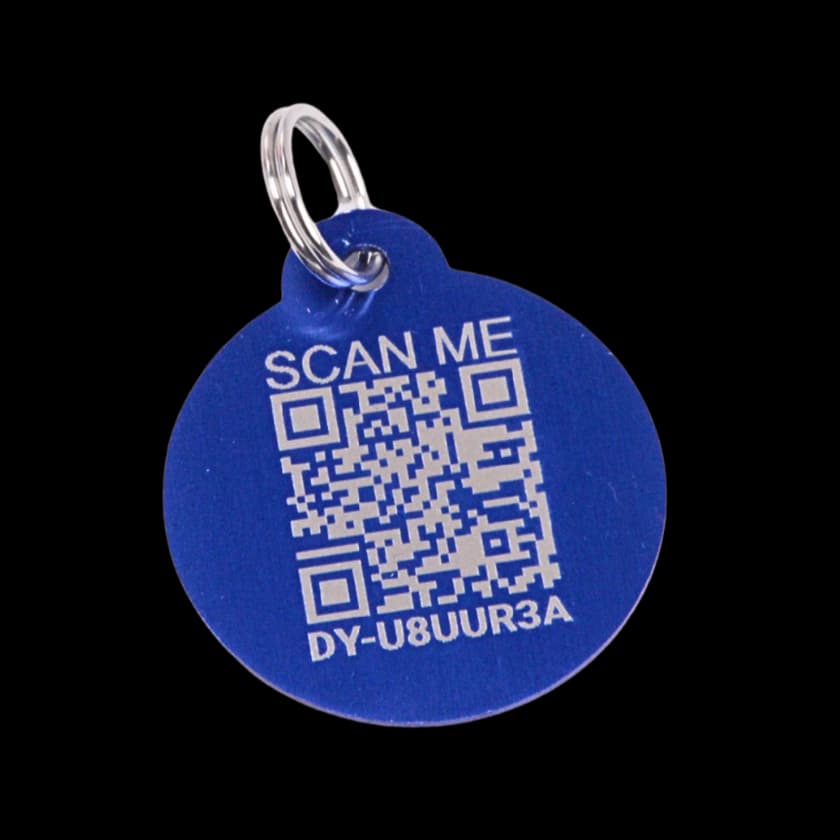
Update saved care-provider details in Driyu and keep the current clinic information in your caregiver instructions. Cloud Vault can hold copies you upload; arrange the actual transfer of clinical records with the clinics. A listed vet does not automatically receive the record, and a QR scan does not grant access to private files.
Related reads from Driyu
- How to keep your pet's health records organized
- How to update pet records after every vet appointment
- Pet vaccine records: why easy access matters and how to organize them
Sources and further reading
Frequently asked questions
Will my old vet send records directly to the new one?
Most will, with your written request. Some require a signed release. Many send PDFs by email.
Is there a charge for records transfer?
Some clinics charge a small administrative fee; many do not. Confirm when you request.
What if I disagree with the new vet’s plan?
Ask questions, request alternatives, and consider a second opinion. Switching vets is a normal option; pets do better with vets owners trust.
What about emergency care between vets?
Ask the new clinic which emergency service covers your area. Verify the phone, location and operating hours, and keep them somewhere accessible before an emergency.