Daily care7 min read

How to keep your pet’s health records organized

A simple guide to what pet health records to keep, how to store them, and how to make every vet visit easier.

D

The Driyu team

Pet safety editorial

A flat-lay of organized paper records: a clipboard with a blank sheet, a manila folder, a notepad, and a ceramic mug, on a warm cream linen background.

Organized pet health records make vet visits faster, emergencies less stressful, and sitter handoffs easier. The basics: a rabies certificate, a vaccination history, a list of current medications, a recent photo, your vet’s phone number, and a microchip registration. Paper and digital copies cover the times when only one is reachable.

Most pet owners realize they need better records the day their vet asks for something they can’t quickly find. A vaccination history during a hotel check-in. A medication list during an emergency-vet visit. A microchip number when a tag has come off. Good organization is mostly a one-time setup that pays back for years.

What records to keep

Veterinary organizations like the American Veterinary Medical Association and AAHA generally point to a core set of records every pet owner benefits from having on hand:

  • Rabies certificate. Required for many hotels, boarding facilities, and travel. Issued by your vet at each rabies vaccination.
  • Vaccination history. Includes dates and types. Your vet’s practice management system has this; ask for a printed or PDF summary at any visit.
  • Microchip registration. The number and the registry where it’s registered. Confirm contact info is current.
  • Current medications. Names, dosages, refill timing, prescribing vet.
  • Recent photo. Shows distinguishing features clearly. Take a new one every few months.
  • Vet contact information. Primary vet, any specialists, the nearest emergency vet.
  • Major medical history. Surgeries, ongoing conditions, allergies, sensitivities to medications.

Storage strategies

Three patterns that work, in increasing order of resilience:

  • Paper folder. A simple manila folder in your file cabinet, labeled with the pet’s name. Reliable, low-tech, hard to lose.
  • Digital folder. A folder on your phone, in cloud storage, or in a notes app. PDFs and photos of every important document. Searchable, shareable, easier to update.
  • Both, with a current summary. A two-page printable summary (essential dates, medications, contacts) inside the paper folder and on your phone. The most useful artifact for sitters, emergency vets, and hotel check-ins.

Vet visit prep made easy

A well-organized record turns every vet visit into a shorter, calmer appointment. Take a screenshot of your medication list before the visit. Write down two or three observations from the past month — eating habits, weight changes, behavior shifts — so you don’t forget them in the moment. Bring the rabies certificate if the visit is at a new clinic. Vets appreciate prepared owners, and your pet benefits from a more focused conversation.

How a Driyu profile fits in

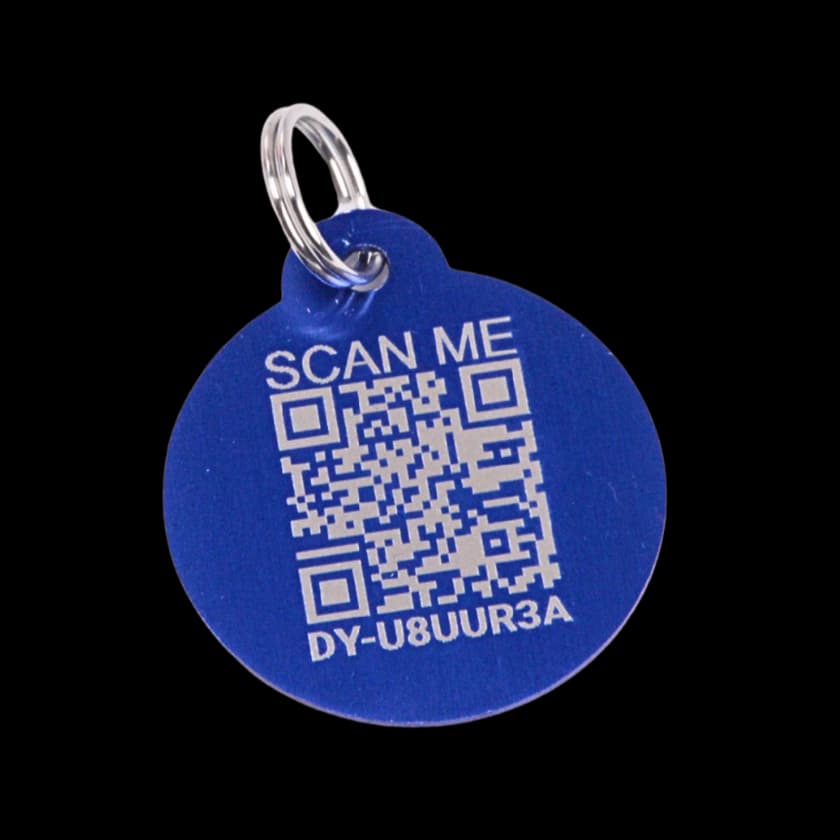
A Driyu profile gives you a place to keep your pet’s name, photo, your contact information, emergency contacts, microchip number, and brief medical alerts in one organized location. It’s designed for the moment a finder needs to reach you — not as a replacement for full medical records. Use it for the quick-access summary; keep the detailed vaccination history, medication records, and visit notes with your vet and in your own private folder.

A short FAQ

How long should I keep my pet’s health records? Keep core records (rabies certificate, microchip registration, vaccination history) for your pet’s entire life. Keep visit summaries and lab work for at least a few years; longer if your pet has ongoing conditions.

Do I need a paper copy if I have a digital one? A paper copy is useful for emergency kits and for hotels or shelters that may not accept digital. A digital copy is easier to search, share, and update. Both layers are ideal.

My vet uses a portal — is that enough? Vet portals are great for current visits, but they don’t always cover prior vets, urgent-care visits, or specialists. Keeping your own consolidated record means you don’t lose history when you switch providers.

What about medications? Keep a current list of medications, dosages, refill timing, and prescribing vet. Update it whenever a medication starts or stops. Your vet should always be the source of truth for what your pet actually takes.

Should I share records with a pet sitter? Yes — a short summary (current medications, vet phone, allergies, emergency contact) is the most useful thing you can leave with a sitter. The full medical history stays private.

Organized records are mostly a one-time setup. A folder, a phone copy, a summary sheet, and a habit of updating them after each vet visit — and you’ve covered almost everything most pet owners need across years of care.

Sources and further reading

  • American Veterinary Medical Association — Pet Owner Resources. Veterinary professional body with general pet care guidance. avma.org
  • American Animal Hospital Association — For Pet Parents. Practical pet-care guidance from a veterinary accreditation body. aaha.org
  • ASPCA — Pet Health Care. Pet welfare organization with general care resources. aspca.org

Read next

A calm older gray-and-white tabby cat resting on a soft cream cushion in a warmly lit corner, with a folded paper notepad, a small unlabeled pill organizer, and a small ceramic dish nearby.

Daily careMay 16, 20266 min read

Senior cat pet profile completion checklist

A pet-profile completion checklist for senior cats (age 10+) — the fields that earn extra attention as cats age into their senior years.

DriyuRead guide
A calm senior gray-muzzled medium-sized brown dog resting on a soft cream cushion in a sunlit living room, with a folded paper notepad, a small unlabeled pill organizer, and a small ceramic dish nearby.

Daily careMay 16, 20266 min read

Senior dog pet profile completion checklist

A pet-profile completion checklist for senior dogs — the fields that earn extra attention as dogs age.

DriyuRead guide
A calm friendly puppy sitting attentively on a soft cream rug indoors as a person holds a leash loosely, warm afternoon light.

Daily careMay 15, 20268 min read

Dog leash training for a new puppy: a step-by-step calm guide

A calm step-by-step plan for teaching a new puppy to walk on a leash — equipment, indoor warm-ups, the first outdoor sessions, and what not to do.

DriyuRead guide
A medium-sized brown dog walking on a loose leash along a quiet residential sidewalk at golden hour next to a person with relaxed posture.

Daily careMay 15, 20267 min read

Loose-leash walking: the notes worth tracking week by week

A calm, simple log of the loose-leash walking variables that actually move the needle — route, distractions, duration, reward rate — and how to use them to spot patterns.

DriyuRead guide
A calm medium-sized brown dog resting on a soft cream rug with one ear gently visible, a folded paper notepad and pen on a nearby low wooden table.

Daily careMay 15, 20267 min read

Dog ear issues: the warning signs owners should document

Ear problems in dogs often start subtly and get worse fast. A calm guide to what to watch for, what to write down, and when to call the vet — not a treatment guide.

DriyuRead guide
A smartphone resting on a warm wooden table showing a candid photo of a happy brown dog as wallpaper, beside a small leather collar with a blank metal ID tag.

Digital pet passportMay 10, 20267 min read

How a digital pet profile works (and why it matters for recovery)

A plain-language explainer of what a digital pet profile is, what it stores, what finders can see, and how it helps when your pet is missing.

DriyuRead guide