
Dog leash training for a new puppy: a step-by-step calm guide
Introduce a leash in a quiet, safe setting with short, supervised sessions. Reward comfortable participation and build gradually at the puppy’s pace.
THE DRIYU JOURNAL
Health & Daily Care
In this reading
Quick answer: introduce suitable equipment under supervision, reward relaxed attention and take a few easy steps together. Ask your veterinarian about safe outdoor settings and appropriate activity. Stop before the puppy becomes distressed or exhausted.
A note about veterinary care
This article is for organization and general education only. It is not veterinary advice, diagnosis, or treatment. Always ask your veterinarian about your pet's health, medications, vaccinations, weight, symptoms, or care plan.
Why early leash habits matter
Pulling or dragging does not teach comfortable walking. Use reward-based practice and make the next step easier if the puppy is struggling.
Early social experiences matter, but there is no deadline after which learning stops. Ask your veterinarian about balancing safe, positive exposure with local disease risk.
Equipment for a puppy
Choose a correctly fitted collar or harness and a light fixed-length leash that you can control safely. Ask a qualified reward-based trainer about fit and handling; no single shape fits every puppy.
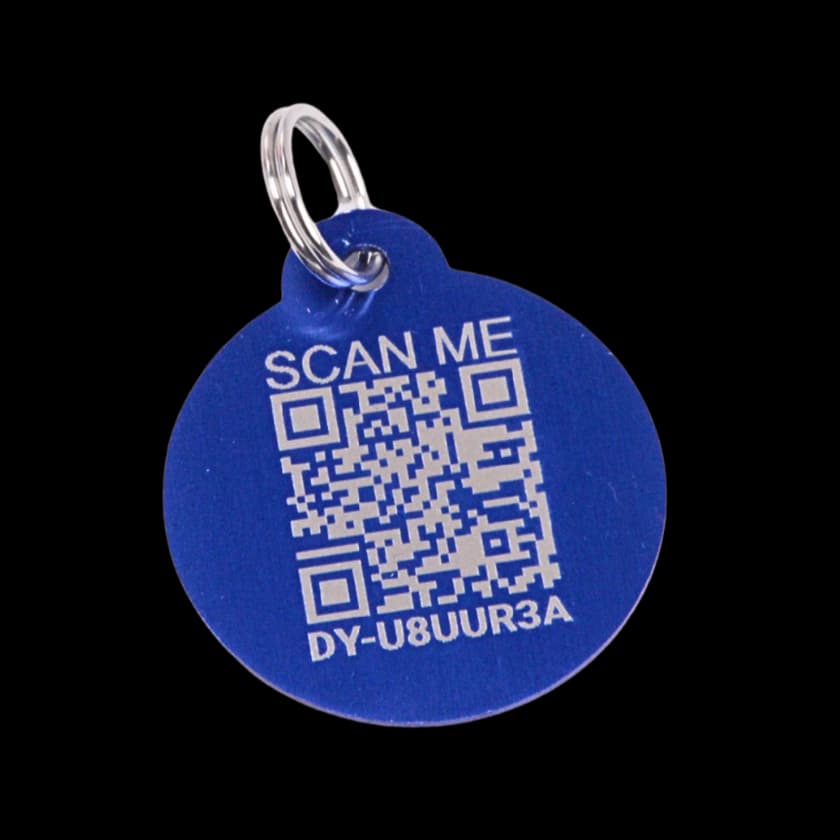
- Flat collar with a current ID tag — even before vaccinations are complete
- A correctly fitted harness appropriate for the puppy
- A light fixed-length leash suited to the setting
- Small high-value treats the puppy actually likes
- A treat pouch that frees a hand for the leash
Begin in a quiet, safe space
Introduce the harness and leash gradually under close supervision. Prevent snagging, chewing or entanglement; do not leave a puppy unattended wearing a trailing leash. Reward a few comfortable steps with you.
If the puppy stops, pause and assess comfort, surroundings and equipment. Do not drag or lure them into a situation they fear.
First outdoor sessions
Choose a safe, low-distraction place in consultation with your veterinarian. Keep sessions short and end earlier if the puppy is tired or uncomfortable; an empty parking lot is not automatically safe.
Reward attention generously. If the puppy fixates on something scary, increase distance rather than forcing the encounter. Pair real-world sights and sounds with calm rewards.
Common mistakes
- Skipping the indoor phase and going straight to the busy street
- Using an age-based walking formula as a universal exercise prescription
- Punishing the moment of return when the puppy gets distracted
- Using a retractable leash for training
- Leaving the ID tag off because “they are just a puppy” — first-week escapes happen and a current tag matters from day one
When to bring in a trainer
Seek veterinary advice for sudden refusal, pain or a marked behavior change. For fear or handling problems, get help from a qualified reward-based professional without waiting weeks for panic to resolve.
Early advice can help you choose a suitable approach; one consultation does not guarantee that the problem will be resolved.
How Driyu fits
Use suitable identification and activate any Driyu tag for the correct pet. Keep visible phone and contact options current and test the public page. Driyu does not expose an owner street-address field or guarantee contact after an escape.
Related reads from Driyu
- Dog recall training basics — and why ID still matters
- New puppy or kitten: your first 30 days ID & records checklist
- Loose-leash walking: the notes worth tracking week by week
Sources and further reading
- American Veterinary Society of Animal Behavior — Position statement on puppy socialization
- CCPDT — Certified Professional Dog Trainer directory
- Fear Free Pets
- American Kennel Club — Leash training basics
Frequently asked questions
When can a puppy start leash training?
Begin gently when the puppy can comfortably wear suitable equipment. Discuss outdoor exposure and exercise with your veterinarian and adapt each session to the individual animal.
How long should a puppy walk be?
There is no universal five-minutes-per-month rule that establishes a safe walk for every puppy. Ask your veterinarian about activity for this puppy and stop if they appear tired, distressed, sore or unwell.
Should I use a flat collar or a harness?
Many trainers prefer a Y-front harness for active walking and a flat collar for ID tag attachment. Avoid prong, choke, or e-collars on puppies. Talk to a credentialed trainer if pulling persists despite consistent positive sessions.
What if my puppy refuses to walk?
Pause and check for fear, discomfort, heat or equipment problems. Do not pull the puppy along. Seek veterinary advice if refusal is sudden, persistent or accompanied by signs of illness or pain.