
New puppy or kitten: your first 30 days ID & records checklist
A calm 30-day checklist for new puppy and kitten owners — the ID tags, microchip steps, vet records, and small habits that prevent big problems later.
THE DRIYU JOURNAL
Health & Daily Care
In this reading
Prepare identification, safe transport, a secure home, and veterinary care before bringing a puppy or kitten home. Use the first month to maintain and refine the plan, not to postpone basic protection.
A note about veterinary care
This article is for organization and general education only. It is not veterinary advice, diagnosis, or treatment. Always ask your veterinarian about your pet's health, medications, vaccinations, weight, symptoms, or care plan.
A new home brings unfamiliar doors, people, and routines. This checklist groups the preparation work, but your pet’s health and immediate safety take priority over any suggested order.
Before arrival: identification and contact details
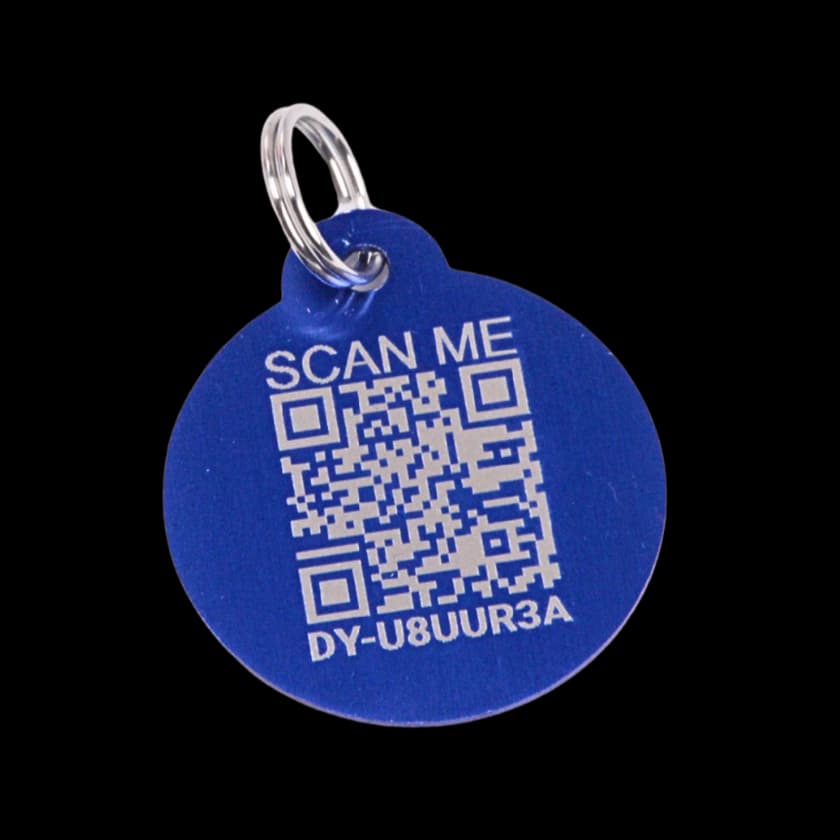
Choose identification and equipment suitable for the pet’s size and species. Cats need a properly fitted quick-release collar if wearing one; confirm any tag’s suitability and recheck fit as a young pet grows. Activate a Driyu tag and verify the linked public page rather than assuming profile creation activates it.
Keep one printed contact card on the fridge: pet name, your name, your phone, your vet’s phone. Sitters, family, and emergency contacts use this. It also helps your future self — when the moment is stressful, you do not want to be hunting through a contacts app for a phone number you have not dialed in two years.
Arrange veterinary care and confirm the microchip
Ask whether the pet is chipped and arrange a professional scan to confirm the number. Check the relevant registry and complete its registration or authorized transfer process with the shelter or breeder. Plan the first vet visit according to health needs and adoption instructions.
A microchip and an external tag offer different routes back to current contacts. Maintain both; neither guarantees recovery. See microchip and QR identification.
Set up public identification and private records
Keep these details in the appropriate places; the public recovery page and private care record are different:
- Name, photo, breed, age, color, distinguishing marks.
- Microchip number and registry name.
- Your phone and an emergency contact.
- Clinic contacts for your private care and emergency plan.
- Private vaccination and medication records have limited Free capacity in Driyu; Pro expands it. Check the current limits in your account.
See the profile checklist. Keep adoption documents, registry confirmation, clinic notes, and vaccination records, with originals and separate offline copies where needed.
Secure exits before the pet arrives
Check doors, windows, screens, fencing, and gate latches first. Use secure physical separation while exterior doors open. A baby gate may not contain a kitten, and trained waiting is not a substitute for a barrier. Teach routines gradually with rewards and supervise the pet.
Prepare contacts and a recovery plan from day one
Ask backup contacts to agree before listing them and confirm what help they can provide. Keep clinic and emergency-hospital details directly available to caregivers; verify hours. Do not wait until the final week of the month to arrange this.
If the pet goes missing, act promptly and search safely without chasing or entering dangerous areas. Contact local shelters and animal services and share an accurate notice. Read the first-hour guide.
Habits that pay off later
A small set of recurring habits keeps everything current as your pet grows:
- Update the microchip registry any time your phone or address changes.
- Refresh photos when the pet’s appearance changes; young animals can change quickly.
- Check collar fit, tag attachment, and legibility regularly and after wear or growth.
- Keep records together. Our records organization guide covers a sustainable system.
A short FAQ
When should identification be ready? Before the first journey home where possible, using equipment appropriate to size and species and an agreed microchip plan.
Is a microchip the same as a QR tag? No. The chip requires a compatible scanner and registry follow-up; the QR opens a linked page using internet access. A scan alone does not send a Driyu notification.
What records should I collect in the first 30 days? Adoption or breeder paperwork, microchip number and registry confirmation, first vet visit notes, vaccination records, and any spay/neuter information.
Do indoor cats benefit from identification? They can escape too. Discuss a microchip and suitable quick-release collar and tag with your vet, without assuming every tag fits every kitten.
When should the registry be updated? Complete the authorized process promptly and confirm it saved correctly. The registry, Driyu, and engraved ID must each be maintained separately.
Review these arrangements as your pet grows or circumstances change. Early preparation helps, but it does not remove the need for supervision and ongoing care.
Sources and further reading
- AAHA — Microchip identification and registration.
- ASPCA — Pet Care. General pet welfare guidance for new owners. aspca.org
- Blue Cross — Cat collar safety.