
Build a pet emergency card before you need it
A practical guide to the pet information families should keep ready before an emergency, a sitter visit, or a lost-pet moment.
THE DRIYU JOURNAL
Emergency & Safety
In this reading
Most pet information lives in too many places. A rabies tag is on the collar. The microchip number might be in an email. The vet’s phone number is in your contacts. Medication details may be in a text thread with a sitter. None of that feels like a problem on a normal Tuesday.
It becomes a problem when someone else needs to help quickly: a neighbor finds your pet, a sitter has a question, a family member needs to call the vet, or your pet slips out while you are not home. A pet emergency card is a simple backup plan for that moment.
This is not a medical record and it does not replace your veterinarian, microchip registry, or local emergency clinic. It is a short, practical summary that helps the right person make the next safe call.
Start with the basics a helper needs first
Keep the first section boring on purpose. In an urgent moment, clear beats clever:
- Pet name, species, breed or mix, and current photo
- Age, color, approximate weight, and distinguishing marks
- Primary owner name and phone number
- A backup contact who has agreed to help; arrange clinic authorization separately.
- Home city and neighborhood, without publishing a full home address if it is not needed
Add the information that changes the next action
The next section should answer one question: what would change what a finder, sitter, or family member does next?
- Veterinary contact. List the regular clinic and the nearest emergency vet you would use after hours.
- Care summary: identify current medicines and urgent concerns, with the full written prescription and care plan available privately to authorized caregivers. Do not omit necessary instructions just to fit the card.
- Behavior notes such as “do not chase” or “keep distance from other dogs.” Do not promise the animal will approach or be safe to handle.
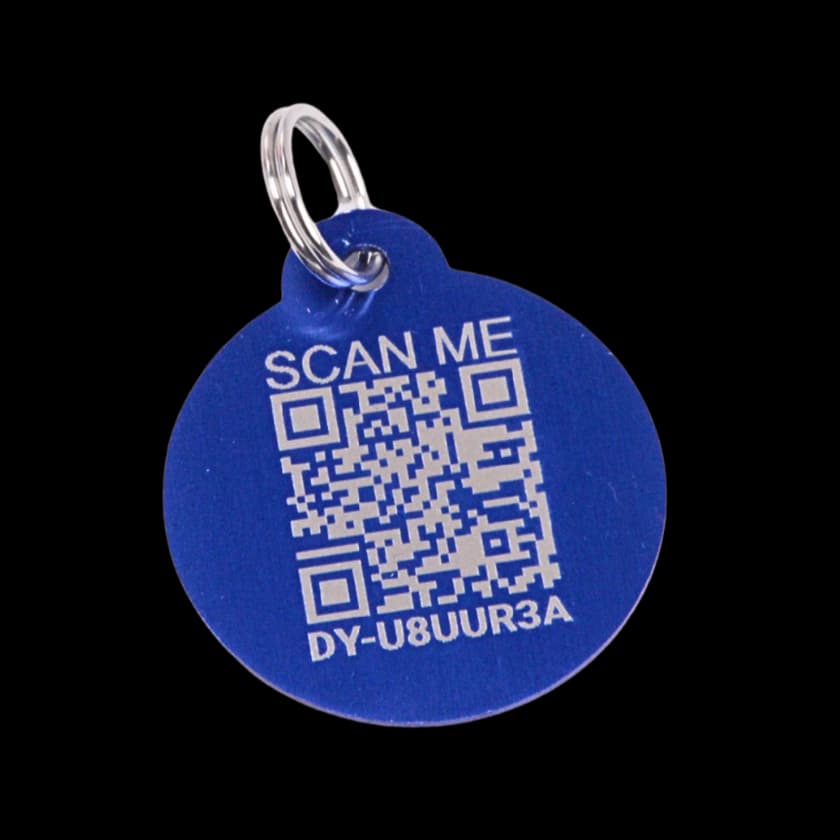
- Identification layers. Note whether your pet has a visible ID tag, a Driyu tag, and a microchip. If you know the chip registry, include where the record is maintained.
Decide what belongs on paper and what belongs online
A printed card is useful for sitters, travel bags, and the kitchen drawer. An online profile is useful when the person helping you is not already in your home.
Choose recipients carefully for both paper and digital records; either can be copied or exposed. Keep home access codes and detailed private care information off public scan pages.
In Driyu, five owner-account settings control public contacts, not every profile field. The owner’s saved name and pet notes may appear independently; saved finder instructions require Lost Mode. Check the actual tag page, and use private care tools for confidential records.
Keep the card short enough to update
Keep a brief summary with clear references to the complete private care plan. These five blocks can help organize it:
- Pet identity and photo
- Owner and emergency contacts
- Vet and after-hours clinic
- Medication, behavior, and handling notes
- Tag, microchip, and recovery instructions
Set a small review rhythm
Put a reminder on the calendar for twice a year. Check the phone numbers, the photo, the vet information, the microchip registry, and any medication notes. Also update the card after a move, a new sitter, a new diagnosis, a changed phone number, or a new tag.
This takes less time than searching through old messages when something is already stressful.
Where to keep it
Keep a private copy in a known household location and share it with authorized caregivers. Secure travel copies out of public view; a carrier’s exterior label should contain only the contact details you intend strangers to see.
Then make sure your digital recovery layer matches it. Preparedness works best when the offline and online pieces tell the same simple story: this is who my pet is, this is who to contact, and this is what helps them get home safely.
Quick checklist
- Choose one current photo that clearly shows your pet.
- Confirm your primary and backup contact numbers.
- Add your vet and nearest emergency clinic.
- Write two or three behavior notes a stranger should know.
- Confirm tag, Driyu profile visibility, and microchip information are current.
- Review the card twice a year and after any major change.