
Cat carrier emergency luggage-style info card
A readable carrier label gives helpers basic contacts without opening a phone. Keep it current and remember that it stays with the carrier, not necessarily with the cat.
THE DRIYU JOURNAL
Emergency & Safety
In this reading
Quick answer: include the cat’s name, microchip number if confirmed, owner and backup phones, veterinary contact and concise medical information you agree to make visible. Secure the card outside the carrier without obstructing ventilation or leaving straps the cat can reach.
A note about lost-pet recovery
No tool can guarantee a lost pet will be found. Driyu can help organize information and make contact easier when someone scans or reports a found pet, but recovery also depends on the situation, the finder, local shelters, microchip registration, and your search actions.
Seven lines that fit
- Name
- Microchip number
- Owner phone
- Alternate contact
- Vet name and phone
- A confirmed condition relevant to urgent handling or care, without a dosing instruction
- A confirmed allergy, if relevant
What to skip
Leave out unnecessary home addresses, access codes, financial details and the full private medical history. Anyone near the carrier may read the card.
How Driyu fits
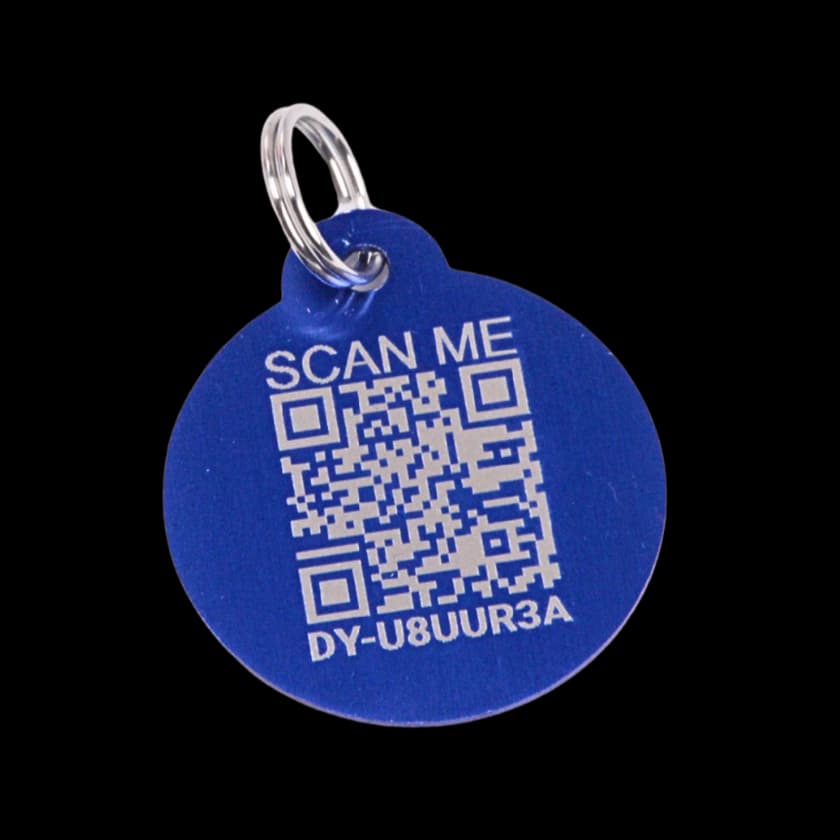
An additional Driyu tag can be used for the same existing pet when properly activated and linked. Scan it to check the correct profile before attaching it. A tag on a carrier is separated from the cat if the cat escapes; keep appropriate pet-worn identification and microchip registration current too.
Related reads from Driyu
- Cat carrier comfort: travel without the vet-visit dread
- Car pet emergency info card for the glovebox
- Build a pet emergency card before you need it
Sources and further reading
Frequently asked questions
Should I put my home address?
Prefer reachable contact details without unnecessary household location or access information. Confirm that a backup person agrees to have their phone number on the card.
Refresh how often?
Review it before travel and when any contact or relevant medical instruction changes. Do not leave old dosing or contact details beside a newer version.
Microchip number visible?
A confirmed microchip number can help with reference, but the card does not register the chip. Keep the microchip registry contact information current separately.
Is a QR tag on the carrier enough?
No single tag covers every situation. Keep readable contact details as an offline option, and remember that both the card and the carrier tag remain on the carrier if the cat gets out.