
Car pet emergency info card for the glovebox
A small printed card gives helpers a way to find essential pet contacts without unlocking your phone. It supports an emergency plan but cannot guarantee that responders will find or read it.
THE DRIYU JOURNAL
Emergency & Safety
In this reading
Quick answer: print your pet’s name, microchip number, reachable owner and backup phone numbers, veterinary contact and a brief confirmed medical alert. Keep a copy with the vehicle’s emergency information and review it before travel or after any change.
A note about lost-pet recovery
No tool can guarantee a lost pet will be found. Driyu can help organize information and make contact easier when someone scans or reports a found pet, but recovery also depends on the situation, the finder, local shelters, microchip registration, and your search actions.
Why a paper card
A paper card can be read without a battery or signal. Make its location known to other drivers and caregivers; do not assume a helper will search the glovebox.
Six lines that fit
- Pet name
- Microchip number
- Owner phone number in plain text; a QR code can be an addition, not the only contact.
- Alternate contact
- Vet name and phone
- Urgent medical alert (one line)
How Driyu fits
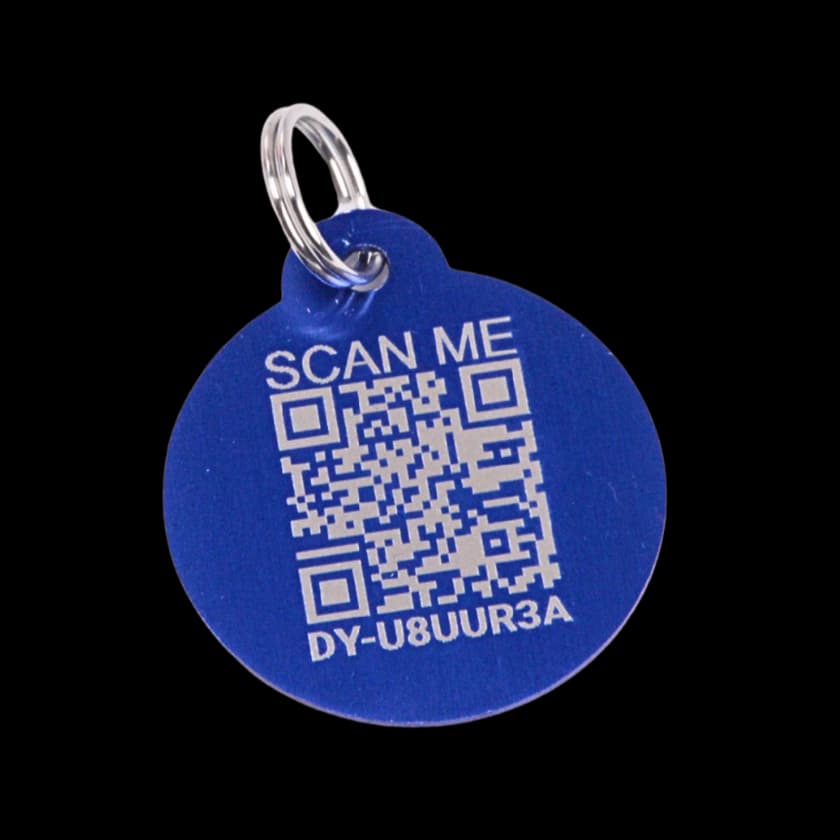
The tag can open Driyu’s public recovery page when a phone and connection are available. A written phone number provides another contact route if scanning is impossible.
Related reads from Driyu
- Road-trip pet safety: a calm pre-departure checklist
- Cat carrier emergency luggage-style info card
- Build a pet emergency card before you need it
Sources and further reading
Frequently asked questions
Should I include my home address?
For a card that may be seen by strangers, use reachable contacts without unnecessary home or access details. Agree with the backup contact before listing their number.
How often should I update it?
Review it before a trip and whenever a contact, medication or relevant health instruction changes. A yearly reminder can help, but do not wait for it after a change.
Where exactly to keep it?
Choose a clearly marked location with the vehicle’s emergency information and tell other caregivers. A secured copy on a carrier can help; keep attachments away from the animal and do not alter a safety restraint.
What if my pet is unconscious after a crash?
Seek emergency veterinary help immediately while keeping people safe at the crash scene. Do not delay care to read a card or scan a tag. Follow the clinic’s handling and transport instructions.