
What to put on a cat carrier emergency info label
A readable carrier label provides basic identification and contacts when a phone cannot connect. It stays with the carrier, so it should complement identification on the animal.
THE DRIYU JOURNAL
Emergency & Safety
In this reading
Quick answer: include the cat’s name, confirmed microchip number, owner and agreed backup phones, veterinary contact and concise relevant health alerts. Avoid dosing instructions on a publicly visible label. Attach it securely outside the carrier without obstructing ventilation or creating a snagging risk.
A note about veterinary care
This article is for organization and general education only. It is not veterinary advice, diagnosis, or treatment. Always ask your veterinarian about your pet's health, medications, vaccinations, weight, symptoms, or care plan.
Why label the carrier
A carrier may be moved by someone helping during an emergency. A current label gives them a reference, but does not prove ownership or guarantee a reunion.
It also helps the routine vet visit when a tech needs the cat’s vital info fast.
Seven lines that fit
- Name: your cat’s name (calls them by name, not “cat”).
- Microchip number: for ID and registry lookup.
- Owner phone: primary cellphone.
- Alternate contact: a person who can step in if you cannot.
- Vet name and phone: usual clinic.
- A confirmed condition relevant to urgent care, such as “Diabetes — contact owner or veterinarian for current instructions,” without a sample dose
- Allergies: one line — e.g., “Severe reaction to amoxicillin.”
What to skip on the label
Skip your home address (the carrier may end up at a stranger’s temporary shelter). Skip your full Social Security or credit card information. Skip a long medical history; the vet has the chart.
A clean, short label reads faster than a packed one.
Where to attach
Use a secure exterior holder suitable for the carrier. Keep it out of the cat’s reach and clear of door fastenings, airflow and moving parts. Avoid loose loops that can snag.
Replace the label any time your phone number or vet changes.
For evacuation kits
A label may help maintain contact if the carrier and owner are separated. Plan identification and backup contacts without assuming separation will be brief or that the label guarantees return.
Pair the label with the pet emergency go-bag — food, water, meds, records.
How Driyu fits
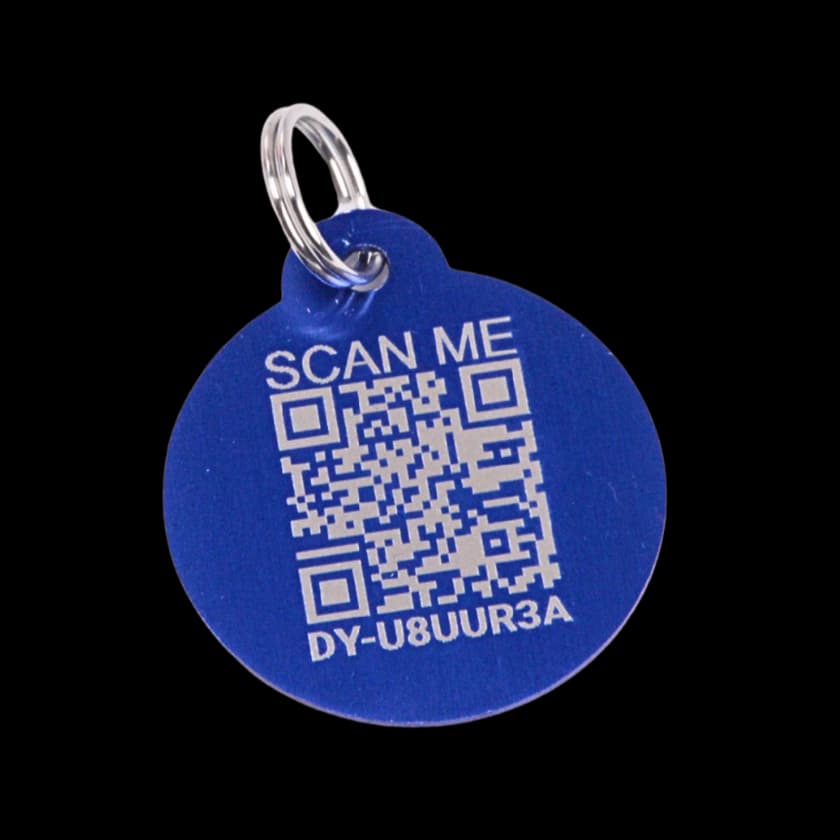
Activate an additional Driyu tag for the correct existing pet before using it on a carrier. A scan needs an internet connection and displays the actual public fields and contact settings. Lost Mode instructions depend on the lost state. Test it and keep readable paper contacts too.
Related reads from Driyu
- Pet emergency go-bag: what to pack before you need it
- Cat carrier comfort: travel without the vet-visit dread
- Hurricane and storm preparation for pet owners
Sources and further reading
- Ready.gov — Make a plan for your pets
- FDA — pet disaster preparations
- AAHA — microchip identification and registry contacts
Frequently asked questions
Should I put my full home address on the label?
Prefer reachable contacts and avoid unnecessary private address or access details. Anyone near the carrier can read the label; a contact number does not guarantee reunion.
How often should I refresh the label?
Whenever your phone, vet, or the cat’s conditions change. Two laminated cards in rotation make replacement painless.
Is a microchip number enough?
A microchip identifies the animal by a number that a scanner can read; registry contact information must be kept current separately. It is not GPS or, by itself, a legal ownership determination. A visible phone label offers another contact route.
What about a QR tag on the carrier?
It can supplement readable contacts once activated and linked correctly. Remember that both the carrier label and its tag are separated from the cat if the cat escapes.