
Pet emergency go-bag: what to pack before you need it
An evacuation may leave little time to pack. Prepare supplies in advance and review them regularly so the kit fits your pets’ current needs.
THE DRIYU JOURNAL
Emergency & Safety
In this reading
Quick answer: Prepare food, water, medication, records, identification, and safe transport for each pet. Follow local emergency guidance for quantities and likely disruptions; do not treat a three-day kit as sufficient for every disaster. Keep paper and deliberately saved offline copies of essential details.
A note about veterinary care
This article is for organization and general education only. It is not veterinary advice, diagnosis, or treatment. Always ask your veterinarian about your pet's health, medications, vaccinations, weight, symptoms, or care plan.
A prepared kit reduces last-minute packing, but it needs ongoing maintenance as food, prescriptions, contacts, and the pet’s needs change.
Food and water
- Several days of familiar food in suitable waterproof packaging, with the quantity adjusted to local plans and your pet’s needs.
- Manual can opener if you pack canned food.
- Drinking water for each pet, with extra for delays and cleaning. Ask your vet about individual needs; a weight formula alone is not an emergency supply plan.
- Foldable food bowl and water bowl.
- Suitable familiar treats for routine care; do not rely on food to safely capture a frightened or unfamiliar animal.
Containment and walking
- Leash — sturdy, not retractable.
- Harness fitted to current size.
- Crate or carrier for cats and small dogs.
- Appropriate spare walking equipment that you know how to use safely.
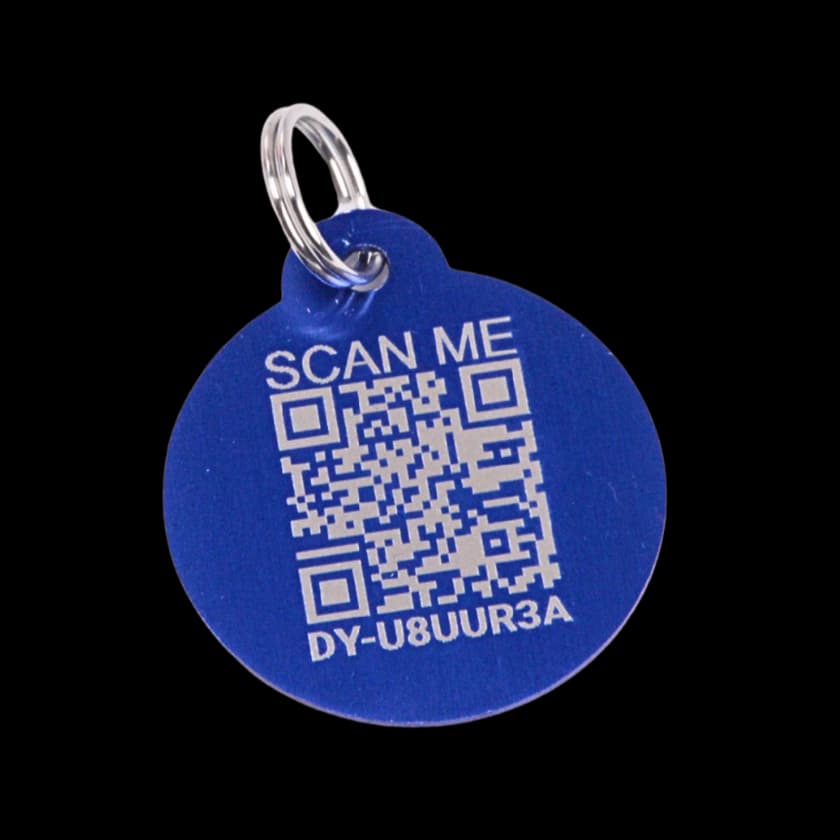
- Spare collar with current ID tag.
Records pouch
- Rabies certificate (paper original).
- Vaccine summary.
- Microchip number, registry contact, and enrollment confirmation; keep account passwords separately secured.
- Current photo of each pet (within last 6 months).
- Medication list with doses and timing.
- Two emergency contacts (phone numbers).
- Vet phone and emergency clinic phone.
Use a waterproof pouch for essential papers and retain originals when required. Save selected digital copies offline before an emergency and check that they open without a connection.
Medications and first aid
- An agreed emergency supply of current prescribed medication in original labeled packaging, stored as instructed. Ask about refills, refrigeration, and expiry in advance.
- A first-aid kit selected with your vet and instructions you know how to follow. Bandages and tools can cause harm when used incorrectly.
- Disposable gloves.
- Towel or small blanket.
- Pet-safe wipes for cleaning paws or messes.
Comfort and behavior
- A familiar blanket or piece of clothing with your scent.
- One favorite toy.
- For cats: a small bag of familiar litter and a foldable litter pan.
- For anxious pets: discuss with your vet beforehand whether anti-anxiety medication should be in the bag.
Sanitation
- Poop bags — many.
- Trash bags.
- Paper towels.
- Hand sanitizer.
Storage and refresh
Keep the kit accessible in suitable storage conditions. Review it regularly and after changes to medication, diet, contacts, or household plans. Do not wait for a twice-yearly reminder if something has expired or changed.
How Driyu can help
Driyu’s public identification and private records can support preparation, but the tag page and record access need a working connection. Save essential copies outside the app for offline use, and carry paper contacts. A tag does not track the pet or guarantee recovery. See planning an evacuation with pets.
Sources and further reading
- Ready.gov — Prepare your pets. Federal owner-facing emergency preparedness guidance. ready.gov
- FEMA — Pet preparedness. Federal emergency-management guidance for pet owners. fema.gov
- AVMA — Disasters and pets. Veterinary-side preparedness resources. avma.org
- ASPCA — Disaster preparedness. Owner-facing checklists and planning. aspca.org