
Power outage extended pet care routine checklist
A long power outage stresses humans and pets. Medication storage, temperature regulation, food safety, and household coordination all need a plan when the lights go out.
THE DRIYU JOURNAL
Emergency & Safety
In this reading
Quick answer: prepare a medicine-specific storage plan with your veterinarian, a safe indoor-temperature plan and food that can be stored as labeled. Keep written contacts and records available. Do not assume a refrigerated drug, an opened food container or an online profile remains usable through any outage.
A note about veterinary care
This article is for organization and general education only. It is not veterinary advice, diagnosis, or treatment. Always ask your veterinarian about your pet's health, medications, vaccinations, weight, symptoms, or care plan.
Refrigerated medication storage
Storage limits differ by medicine, formulation and whether the container is open. Keep the package instructions and ask your veterinarian or dispensing pharmacist how to maintain the required temperature. If using a cooler, monitor temperature and protect medicines from freezing or direct contact with ice.
Record how long cooling was interrupted and any known temperature exposure. Contact the veterinarian, pharmacist or manufacturer before using a medicine stored outside its instructions; do not change doses or replace an insulin product on your own.
Indoor temperature
- Cold: prepare dry bedding and a safe warm location appropriate for the animal. Keep heaters and their cords out of reach and follow their safety instructions.
- Heat: plan access to a genuinely cooler space. A fan alone may be insufficient. Contact a veterinarian promptly for unusual panting, weakness or other signs of heat illness.
Pet food safety
Follow the food label. Store dry food in a cool, dry, protected place and refrigerate opened food when instructed. An unopened refrigerator retaining cold is not the same as food left at room temperature. Do not use a universal four-hour room-temperature rule for wet pet food; discard food whose safe storage cannot be confirmed.
Keep pet ID layers ready
Keep written contact information and copies of essential records. Save any needed files for offline use and test that they open without a connection. Do not assume Driyu caches the profile or provides offline access. If you evacuate, include pets and their kit.
How Driyu fits
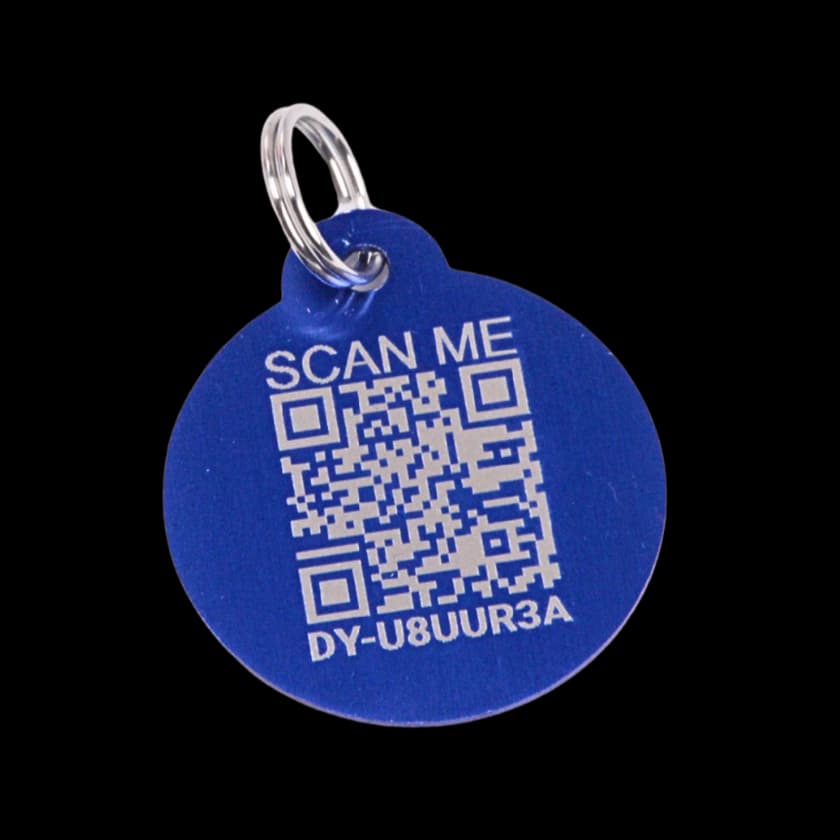
The public QR page depends on a readable tag, a compatible device and access to the website. Private tools also require account access. A charged phone alone does not guarantee service during an outage.
Related reads from Driyu
- Pet emergency go-bag: what to pack before you need it
- Pet medication tracking and reminders: a practical routine
- Fire evacuation for pet owners: a calm go-bag and identity plan
Sources and further reading
- FDA — preparing pets before a disaster
- FDA — proper storage of pet food and treats
- FDA — questions about your pet’s medication
Frequently asked questions
How long can insulin go without refrigeration?
There is no single storage window for all insulin products. Use the exact product instructions and ask your veterinarian or dispensing pharmacist about an interruption. Do not apply another insulin’s limits or dose to your pet’s prescription.
What about wet food?
Follow the manufacturer’s storage directions and discard food when safe storage is uncertain. A general estimate for a closed refrigerator does not mean opened wet food is safe on the counter for that long.
Should I use a crate during the outage?
Follow the animal’s familiar, safe containment plan and keep it away from hazards. Watch for distress or unsafe temperature; being in a crate does not solve those problems.
When do I leave the home?
Prepare a pet-friendly backup before indoor conditions become unsafe and follow official emergency instructions. If the pet shows illness or temperature distress, contact a veterinarian promptly rather than waiting for the power to return.