
Fire evacuation for pet owners: a calm go-bag and identity plan
Plan for pets before a fire. Keep carriers, leads and essential supplies ready, but in an active house fire prioritize getting out and staying out.
THE DRIYU JOURNAL
Emergency & Safety
In this reading
Quick answer: Prepare identification, food, water, medication, carriers and copies of key records before an emergency. Practise calmly and identify pet-friendly destinations. If fire is already present, leave immediately; do not delay escape to collect supplies or search dangerous areas.
A note about travel requirements
Travel and health-certificate requirements can change by destination, airline, state, and country. Always confirm current requirements with your veterinarian, airline, destination authority, and official government sources before travel.
Why fires are different
A fire can leave little or no time to act. Planning helps reduce decisions, but a go-bag is never worth delaying escape.
FEMA and Ready.gov publish pet-specific evacuation guidance — well worth a read before the news cycle reminds you.
Go-bag contents
- A supply of usual food in sealed containers, sized to local emergency guidance and possible evacuation length.
- Drinking water for people and pets, with a plan to replenish it safely.
- Bowls — collapsible saves space
- Leash and harness — preferably a backup beyond what is on the dog
- A secure, suitably sized carrier for each pet that needs one.
- Medications in original containers with current labels
- Vaccine records — photographed and printed
- Microchip number on paper and on the pet profile
- Photos of each pet, including unique markings
- Comfort item — familiar blanket or toy
- Written ID note with your name, alternate contact, vet, microchip
- Flashlight, batteries, copy of your ID
Evacuation plan
Plan two exits where possible and keep supplies accessible without obstructing the route. Decide who helps each pet, but never enter smoke or flames or re-enter a building to retrieve an animal.
Practise gentle carrier entry and the household escape plan in safe conditions; do not frighten pets with timed drills.
Pet-friendly relocation sites
Identify several possible destinations and confirm their current pet arrangements. Keep phone numbers and addresses offline as well as on paper.
During large evacuations, many local groups establish temporary pet shelters; the local emergency management office is the right source.
ID layers for fire
Collar with current ID tag plus microchip is the floor. A pet profile (Driyu or otherwise) with travel-reachable contact is the practical layer when pets get separated from owners at a shelter or check-in counter.
Update microchip registry and pet profile contacts before fire season; do not wait until the smoke is visible.
How Driyu fits
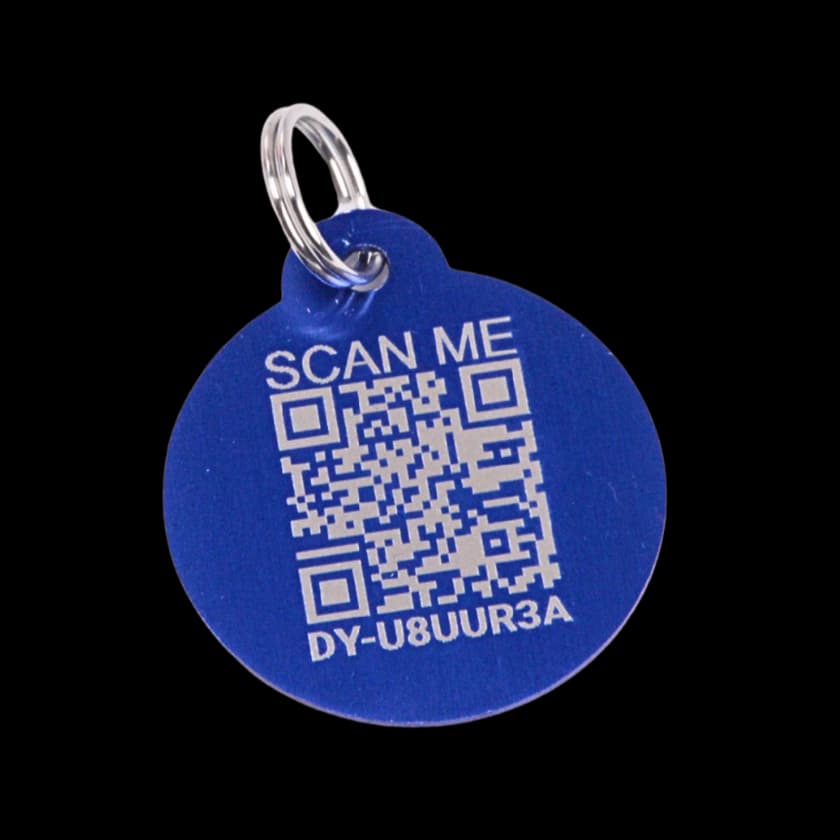
An activated Driyu tag can help a connected finder open your pet’s public recovery page and use the contacts you make visible. medical records and Cloud Vault documents remain private. Keep printed or locally saved emergency information too; a QR page is not a GPS tracker or an offline emergency service.
Related reads from Driyu
- Pet emergency go-bag: what to pack before you need it
- Pet evacuation: a calm plan for wildfires, hurricanes, and floods
- Hurricane and storm preparation for pet owners
Sources and further reading
- Ready.gov — Make a plan for your pets
- American Red Cross — Pet fire safety
- ASPCA — Disaster preparedness
- Humane World for Animals — Disaster planning
Frequently asked questions
Should I evacuate early?
For wildfire risk, prepare early and follow local warnings and evacuation instructions. For a fire in the home, get outside immediately, stay outside and call emergency services.
Can I bring pets to a Red Cross shelter?
Pet sheltering arrangements vary. Confirm with local emergency management or the shelter; do not assume pets can stay in the same sleeping area as people.
What if my pet is too anxious to load?
Practise carrier entry before an emergency. Ask the vet ahead of time about an individual anxiety plan, and never delay escape to administer medication.
What if a pet is still inside during a fire?
Get yourself outside, stay outside and tell firefighters which pet is missing and where it may be. Do not go back in, open doors into danger or delay escape to leave food or a sign.