
Hurricane and storm preparation for pet owners
Prepare a pet-inclusive evacuation plan before storm season, then follow current local instructions as conditions change.
THE DRIYU JOURNAL
Emergency & Safety
In this reading
Quick answer: Prepare supplies, identify confirmed pet-friendly destinations, check identification, and plan medication needs. Monitor official forecasts and local evacuation instructions. Leave early enough to travel safely with the pets; do not wait for a particular warning label before following local directions.
A note about lost-pet recovery
No tool can guarantee a lost pet will be found. Driyu can help organize information and make contact easier when someone scans or reports a found pet, but recovery also depends on the situation, the finder, local shelters, microchip registration, and your search actions.
Storms can change quickly, and warning time is not guaranteed. Confirm local shelter arrangements directly; emergency planning requirements do not mean every shelter, hotel, or transport service accepts every pet.
Pre-season (before any storm)
- Pack a pet go-bag — see pet emergency go-bag essentials.
- Research pet-friendly hotels along your likely evacuation routes — save phone numbers and addresses to your phone.
- Confirm microchip registry has current contact info.
- Confirm collar ID tag is current and legible.
- Discuss medication supplies, refills, and storage with the vet in advance; do not assume a refill one month early will be available.
- Carry vaccination records and confirm what your destination requires.
- Take a current photo of each pet on your phone, ideally in front of a plain background.
- Identify a designated “pet caregiver” out of state who could take your pet temporarily if you cannot.
When a storm may affect your area
- Top off the car’s fuel.
- Refresh pet medications and food stock.
- Decide your evacuation route and primary destination.
- Call the destination hotel to confirm pet policy and availability.
- Prepare transport and load supplies while conditions remain safe, without blocking safe passenger or pet restraint.
- Place the go-bag, carrier, leashes, and a small bag of treats by the door.
When evacuation is advised
- Follow local evacuation instructions promptly and allow extra time for pets.
- Use suitable pet transport equipment, secured according to its manufacturer’s vehicle instructions.
- Bring more water than you think you need.
- Plan water, food, and toilet stops safely. Open cat carriers only in secure enclosed spaces.
- Communicate your destination to family and your designated caregiver.
If you need help evacuating or must shelter
- Bring all pets indoors. Never tether outside.
- Ask local emergency services for guidance suited to wind and flood risk; a windowless room is not safe if it is likely to flood.
- Keep carriers nearby in case you need to move quickly.
- Have leashes and harnesses on standby for dogs.
- Use identification appropriate to each pet; do not compromise collar or carrier safety.
- If trapped by rising water, seek emergency help and follow official guidance. Do not enter floodwater or a closed attic with no escape route.
After the storm
- Return or go outside only when authorities say it is safe. Keep pets away from downed wires, floodwater, and debris; a leash does not make a hazardous area safe.
- Check the yard for hazards: broken glass, sharp metal, standing water with chemicals, downed branches.
- Be alert for displaced wildlife.
- Seek veterinary advice for injury, illness, unusual behavior, or ongoing distress.
- If your pet escaped during the storm, contact local shelters immediately and post on neighborhood groups. See lost pet: what to do in the first 24 hours.
How Driyu can help
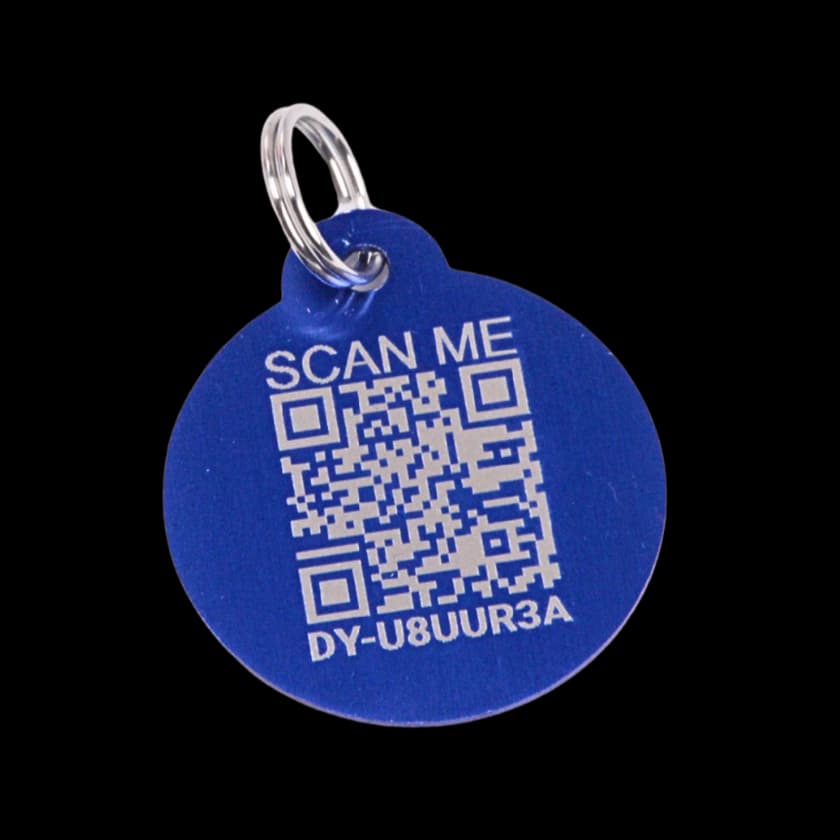
Driyu can organize identification and private records while a connection is available. It does not guarantee offline record access, and a QR tag needs internet to open its public page. Prepare paper and separately saved offline copies in advance. See the pet evacuation guide.
Sources and further reading
- Ready.gov — Prepare your pets for disasters. Federal owner-facing emergency preparedness. ready.gov
- FEMA — Pet preparedness. Federal emergency-management guidance. fema.gov
- AVMA — Disasters and pets. Veterinary preparedness resources. avma.org
- Humane World — Disaster preparedness. Owner-side practical resources. humaneworld.org