
Lost pet: what to do in the first 24 hours
A checklist for the first day your pet is missing: safe searching, accurate sightings, official reports, current contacts, and continuing the search.
THE DRIYU JOURNAL
Lost Pet Recovery
In this reading
The first day your pet is missing is mostly about being organized: a clear last-seen point, a calm phone tree to neighbors and shelters, an updated microchip registry, and a search pattern that fits whether your pet is a dog or a cat. The work of the first 24 hours sets up everything that comes after.
A note about lost-pet recovery
No tool can guarantee a lost pet will be found. Driyu can help organize information and make contact easier when someone scans or reports a found pet, but recovery also depends on the situation, the finder, local shelters, microchip registration, and your search actions.
Read the first-hour guide for immediate steps. The sections below are priorities, not waiting periods; several actions can happen together with help.
Start now: search safely and alert local people
Confirm the last known place and time, check safe nearby hiding areas, and contact local people and services promptly. Do not wait an hour to start reporting.
- Adapt the area to the species, personality, terrain, and credible sightings. Do not assume a dog follows familiar routes or a cat must be within a fixed radius.
- Ask nearby residents to check garages, sheds, and cameras with permission. Leave a clear contact route without trespassing.
- Post in local neighborhood apps. A photo, the last-seen time and place, and one phone number are enough.
- Contact shelters and animal services now. Ask how to file the official missing-pet report; a phone call alone may not register one.
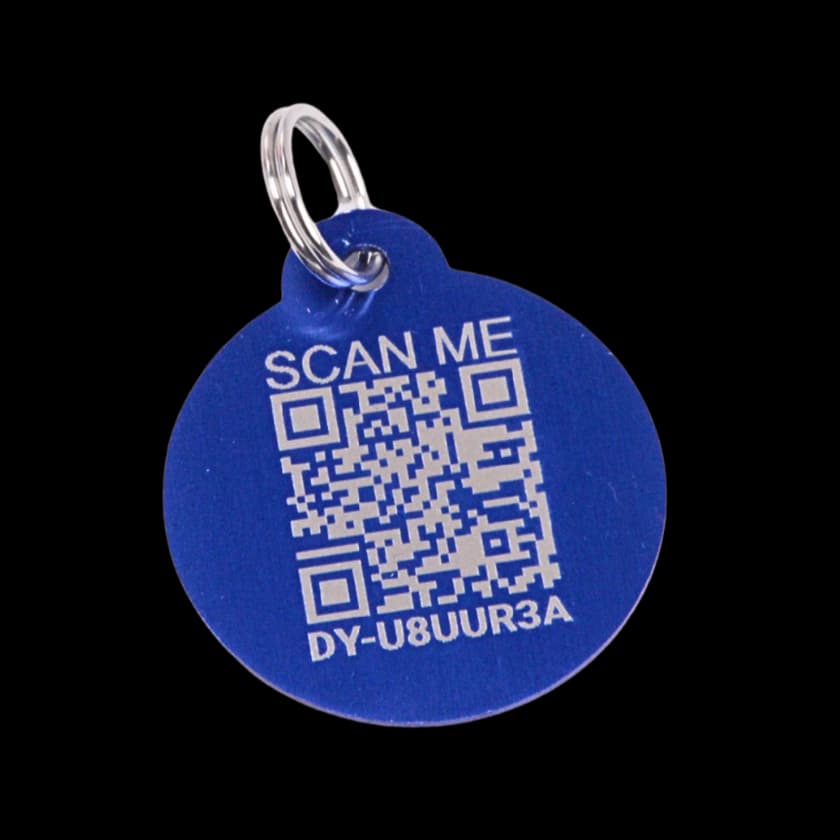
If the pet has a Driyu tag, mark the pet lost and check current public contacts and instructions. A linked page opens without a finder account but needs internet. A report accepted while the pet or tag is marked lost starts notification attempts, without guaranteed delivery. A scan alone does not notify you.
Add notices and review identification
Use clear notices, a record of sightings, and current contact details. Continue adapting the search rather than waiting for a set hour to use these tools.
- Post readable flyers in permitted locations with a photo, last-seen date and area, a monitored contact, and “Do not chase” when appropriate. Follow local posting rules.
- Contact the actual microchip registry. Confirm saved details and ask about its lost-pet reporting process. AAHA’s lookup helps find participating registries; it does not register pets.
- Repeat safe searches at suitable quiet times with help, lighting, and permission. Do not enter hazardous areas or continue when exhaustion makes it unsafe.
- Ask local recovery specialists about species-appropriate approaches. Do not rely on a used litter box, unattended food, or scent items as a proven way home; these can attract other animals.
Follow up with shelters and search helpers
Keep a list of report numbers, facilities contacted, sightings, and planned follow-ups. Check official found-pet listings promptly and repeatedly.
- Ask shelters how and when to check animals in person or through official listings. Follow their identification and reclaim process.
- Confirm local reporting, holding, and reclaim deadlines with the authority; do not assume a universal 24- or 72-hour period.
- Check community-specific apps for found-pet posts (Nextdoor, PawBoost, local Facebook groups). Sometimes the finder posts before they call shelters.
- Sleep in shifts if there are two of you. Phones charged, ringers on, eyes rested. The next 24 hours are easier with rest.
Continue after the first day
Some searches take longer than a day. Keep reports and contacts current, revisit credible sightings, and ask experienced local services about cameras or humane trapping when appropriate. Any trap requires permission, safe conditions, and monitoring.
How a Driyu tag fits in
Check the actual public page: account contact switches do not control all pet details or hide the owner’s name. Lost status of the pet or tag enables recovery instructions and report forms. Visible call or email routes may also be used directly. Driyu is not GPS and cannot replace local search and shelter follow-up.
A short FAQ
How do I manage rest? Arrange shifts where possible and keep a monitored contact route. Do not leave exterior doors unsecured while sleeping or expose other pets to escape. Ask about a safe, supervised return plan.
Should I post promptly? Yes. Share a recognizable photo, last-seen date and area, and a contact route through relevant local channels. Keep updates accurate.
What if I think someone took my pet? File a report with local police or animal control as soon as you suspect theft. Continue posting and contacting shelters. Do not confront anyone yourself.
Should I offer a reward? It is optional and may attract scams. Never send verification codes or money based only on a claim or photo; verify independently.
What if the chip was never registered? Obtain the full number from the clinic or adoption documents, use the lookup to locate a provider, and contact that registry for the correct process. AAHA’s lookup is not itself a registry.
Keep a manageable list and ask others to share the work. No checklist can promise a reunion, but accurate information and sustained, safe follow-up keep the search organized.
Sources and further reading
- ASPCA — Finding a Lost Pet. Pet welfare organization with general guidance for owners and finders. aspca.org
- AAHA — Microchips and registration.
- Humane World for Animals (formerly Humane Society of the United States). General guidance on lost-pet recovery. humaneworld.org
- AAHA Universal Pet Microchip Lookup. Cross-registry microchip lookup tool. AAHA — Universal Pet Microchip Lookup