
Why cat finder instructions differ from dog finder instructions
Write finder instructions for the individual animal, not a stereotype about cats or dogs. Either can be frightened, injured or defensive when separated from home.
THE DRIYU JOURNAL
Lost Pet Recovery
In this reading
Quick answer: give a reachable contact and short safety instructions based on your pet’s known needs. For either species, do not ask a stranger to chase, corner, pick up or feed an unfamiliar animal. A clear observation from a safe distance can be more useful than an attempted capture.
Start with the individual animal
A pet that is affectionate at home may react differently when lost. Describe observed needs without promising that the pet is safe to touch. Avoid instructions that bring a stranger’s hands or face close to a frightened animal.
Example notes for a cat
- “Please keep your distance and tell us where you saw her.”
- “Do not reach into the hiding place or try to pull her out.”
- “Please do not chase her.”
- “Contact us before trying food or a trap.”
- “Call the visible contact number; send a photo only if safe.”
Example notes for a dog
- “May be frightened with unfamiliar people; please do not pick him up.”
- “Do not offer food or medication; call us first.”
- “Give him space and keep children and other pets away.”
- “Call with the location and direction of travel if you can observe safely.”
How Driyu fits
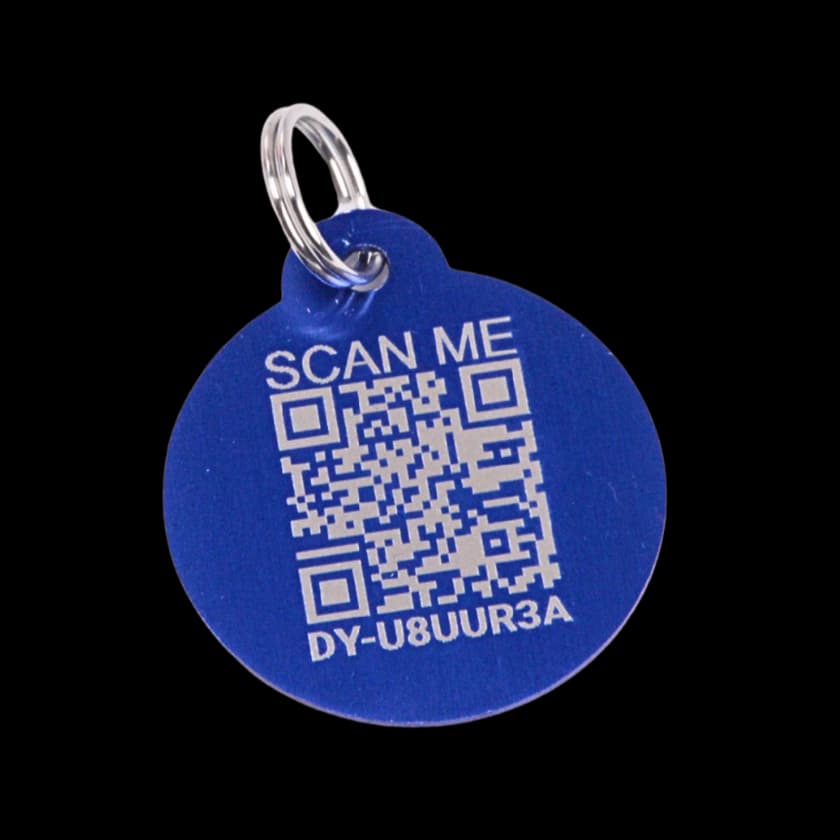
In Driyu, Lost Mode instructions appear when the pet or tag is marked lost. Temperament and behavior notes can appear publicly when populated. Keep both short and free of private household details, and preview the scan page. Six lines is an editorial suggestion, not an app field limit.
Related reads from Driyu
- Writing finder instructions on your pet profile: 6 lines that matter
- Cat body language for finders and family members
- Dog body language for finders and family members
Sources and further reading
- Best Friends — safely helping a found dog or cat
- ASPCA — finding a lost pet
- CDC — safety around unfamiliar dogs
Frequently asked questions
Can I use the same finder note for both?
Some safety principles apply to both, but the details should describe the individual pet. Do not copy a generic “friendly, pick me up” instruction.
What if my cat is friendly?
Keep the possibility of fear in mind. Ask the finder to contact you and avoid forced handling even if your cat is usually sociable.
What about shy dogs?
Describe the needed distance and what to avoid. Do not ask a finder to test reactivity or approach to prove the description. Contact an experienced local responder if handling is unsafe.
Should I mention the microchip?
If you know the pet is microchipped, you can mention it. A veterinary clinic or shelter can scan for an ID number and contact the registry; the owner’s registry details must be kept current separately.