
The backyard pet rescue handoff: when a neighbor finds a stray
A neighbor who finds a loose pet can help by keeping the situation safe, reporting where it was seen and checking identification only when safe to do so.
THE DRIYU JOURNAL
Lost Pet Recovery
In this reading
Quick answer: Keep your distance from an unfamiliar animal and avoid chasing, cornering or reaching for its collar. Contact local animal services if handling is unsafe. If the pet is safely contained, read or scan accessible identification and arrange a microchip check with a clinic or shelter.
How neighbors can help
Local sightings can be useful, but do not assume every lost pet is within a fixed distance or will be found quickly. Report the exact time and location and follow local lost-animal procedures.
Clear observations and safe coordination matter more than trying to catch an animal yourself.
Keep the encounter safe
- Stay out of traffic and give the animal space.
- Do not crouch close to an unfamiliar animal or put your face near it.
- Do not reach a hand toward its mouth or collar.
- Ask animal services or a qualified rescuer for help if capture is needed.
- Keep children and your own pets away.
- No grabbing, no cornering, no leaning over the head
Checking ID
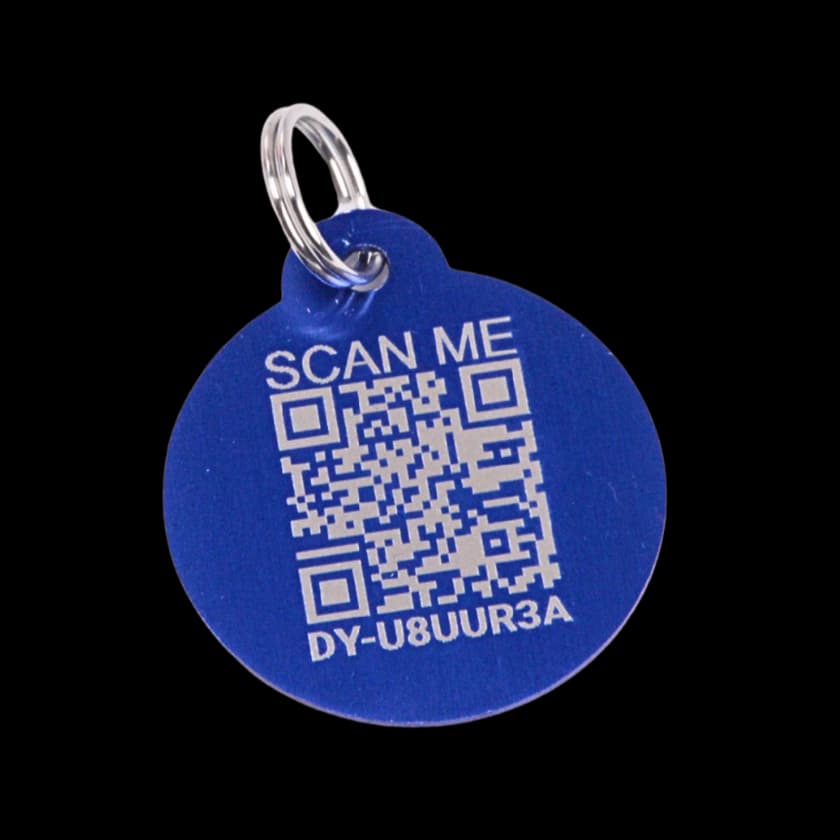
Read or scan a tag only when the animal is safely contained and you can do so without risky handling. A Driyu tag may show public recovery contacts; lost-mode instructions depend on whether the pet or tag is marked lost.
Call a local vet, shelter or animal services about a microchip scan and safe transport. Do not assume every facility has the same equipment or can accept the animal immediately.
What not to do
- Do not corner a frightened pet against a fence
- Do not lean over the head — bite risk
- Do not give medication, unsuitable food or use food to draw the animal into traffic.
- Do not force an unfamiliar animal into a vehicle; seek help with safe transport.
- Do not assume the pet is abandoned because of dirt or weight
Making the call
Use an available contact route and confirm that a person has responded. A scan is not confirmation that the owner knows; a submitted message or report may also fail to reach them.
Give a brief description, time and location. Ask the claimant for matching photos or other evidence and agree on a safe handoff without publishing your private address.
If the owner cannot come immediately
Coordinate with a verified owner or listed backup contact. If you cannot safely hold the animal, ask local animal services or a clinic what they can accept before travelling there; temporary boarding is not guaranteed.
How Driyu fits
An activated Driyu tag opens a public recovery page with a connection. The five owner controls cover phone, email, city, state and emergency contacts. Lost-mode instructions and the contact/report flow appear when the pet or tag is marked lost. A bare scan does not notify the owner; delivery after submitting a report is not guaranteed. Do not put a private address in public notes.
Related reads from Driyu
- Finder etiquette: what to do (and not do) when you pick up a lost pet
- What to do when you find a lost pet
- How to coordinate community support for a lost pet
Sources and further reading
- Best Friends Animal Society — Finding a lost or stray pet
- American Humane — Lost pet recovery
- Petco Love Lost
- AVMA — Microchipping
Frequently asked questions
Should I call animal control right away?
Ask local animal services about required reporting and help, especially for an injured, frightened or unsafe-to-handle animal. Do not delay urgent assistance to inspect a tag.
Can I keep the pet if no owner is found?
Ask the local shelter or animal-control authority about reporting, stray-hold and ownership procedures. A generic number of days or lack of a quick response does not make the pet yours.
Should I post on social media?
A local lost/found report can help. Share a useful photo and general location, keep some identifying details private for verification and avoid publishing a home address or accepting payment requests without verification.
What if the pet is injured?
Call an emergency vet or animal services for safe handling and transport instructions. An injured animal may bite; do not assume treatment or boarding is free, or delay urgent help over missing identification.