
Lost indoor cat first hour: nearby search method
An indoor cat may hide close to the escape point, but there is no guaranteed distance or return time. Start a careful nearby search while alerting neighbors and local animal services.
THE DRIYU JOURNAL
Lost Pet Recovery
In this reading
Quick answer: check the home and safe hiding places near the last known location, ask neighbors for permission to inspect enclosed spaces and begin lost-pet reports promptly. Keep the search quiet and coordinated. Broaden it as new information comes in; do not wait for a fixed deadline.
A note about lost-pet recovery
No tool can guarantee a lost pet will be found. Driyu can help organize information and make contact easier when someone scans or reports a found pet, but recovery also depends on the situation, the finder, local shelters, microchip registration, and your search actions.
Why nearby matters
A nearby hiding place deserves attention, especially for a cat unfamiliar with outdoors. That does not exclude travel, being shut in a building or being picked up by someone. Combine physical searching with notices and shelter checks from the start.
The first-hour method
- Walk the perimeter of your home slowly, low and quiet.
- Use a flashlight to inspect accessible hiding places without crawling into unsafe spaces.
- Listen, do not call loudly.
- Ask vehicle owners to check before starting or moving vehicles. Do not enter vehicles, reach near hot machinery or go onto private property without permission.
- Check dense hedges, under outdoor furniture.
- Ask neighbors to check garages and sheds and to report a time, location and photo if safe.
- Ask a local rescue about a monitored feeding or camera plan if appropriate. Do not scatter used litter or assume food will attract only your cat.
What not to do
- Do not shout the cat’s name at high volume.
- Coordinate helpers so they share sightings and do not crowd, chase or repeatedly disturb a hiding animal.
- Keep searching and checking reports after the first night. A missing cat’s behavior and travel distance are unpredictable.
- Do not assume either that the cat stayed nearby or that it traveled far; use sightings and search evidence.
How Driyu fits
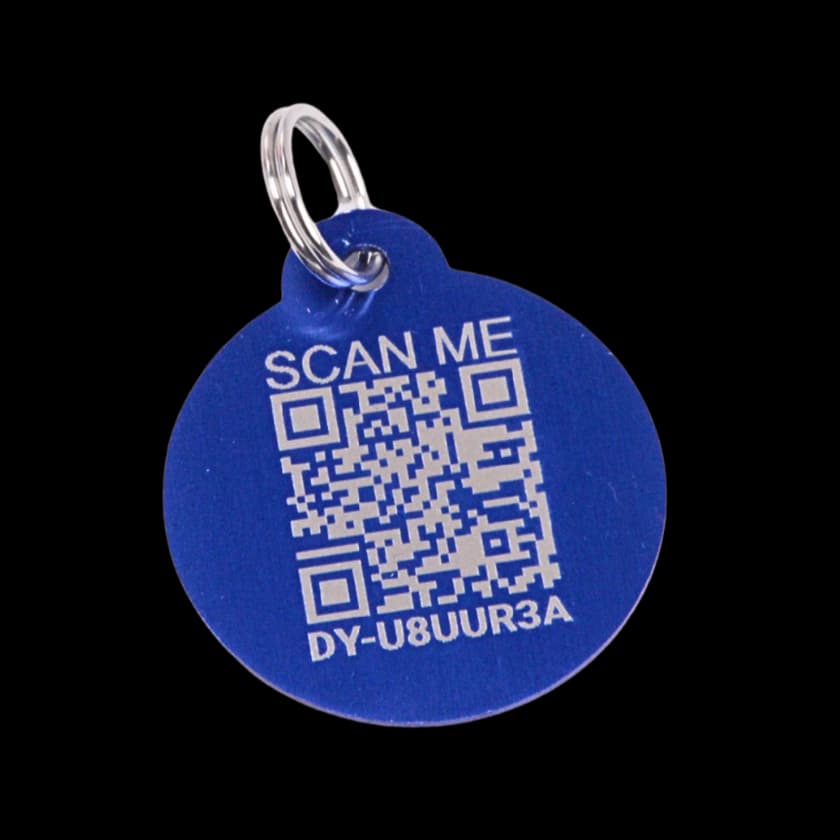
Activate Driyu Lost Mode if appropriate, notify the microchip registry separately and report the loss to local shelters and animal services. Public notices and a physical search complement these tools. None automatically searches the neighborhood or guarantees recovery.
Related reads from Driyu
- Lost indoor cat: a search guide for the first 24 to 48 hours
- Indoor cat escape prevention: doors, screens, and balconies
- What to do in the first hour your pet is missing
Sources and further reading
- ASPCA — finding a lost pet
- Research — search methods used to locate missing cats
- Best Friends — identifying and reporting found pets
Frequently asked questions
How long might my cat remain hidden?
There is no reliable individual timetable. Do not treat a number of days or a radius as a deadline for finding your cat. Repeat safe checks, track sightings and adjust the plan with local help.
Should I set a trap?
Ask an experienced rescue or animal-services team whether a humane trap is suitable and how to use and monitor it safely. Do not leave a set trap unattended or exposed to dangerous weather; arrange a response before setting it.
What about wildlife cameras?
A camera can help confirm visits where it is safe and permitted to place one. Respect neighbors’ privacy and review the time stamps; a recording is a past sighting, not proof of the cat’s current location.
When do I expand the search?
Start local reporting and outreach immediately while checking nearby hiding places. Broaden the physical search according to sightings, hazards and advice from experienced local help; do not wait 48–72 hours as a rule.