
Lost indoor cat: a search guide for the first 24 to 48 hours
Start a careful search, alert local services, and check nearby hiding places without assuming a fixed distance or timetable.
THE DRIYU JOURNAL
Lost Pet Recovery
In this reading
Start searching promptly and ask others to help report the missing cat while you check the home and nearby hiding places. Some indoor cats hide close to the escape point, but others travel farther. Use sightings and local advice to adjust the search; do not wait for a particular hour to notify shelters or update identification.
If your indoor cat has slipped outside, you’re probably running through the same questions on a loop: Where are they? How far could they go? Why won’t they come when I call? Take a breath. Indoor cats behave very differently from outdoor cats and from dogs when they’re frightened — and the search techniques that work for dogs often miss cats entirely. This guide focuses on what specifically helps when your indoor cat is missing.
Start nearby, but do not assume a boundary
A missing indoor cat may be hiding, trapped, injured, or moving. Silence does not tell you which.
The 2018 study in Animals examined reported searches and recovery locations. It supports checking nearby hiding places, but its findings do not establish where an individual cat is or how far a search should stop.
Search quietly and repeat checks. A frightened cat may not respond to a familiar voice; also look for places where it could be trapped.
Start now: check the home and report the loss
Indoor cats are excellent at hiding inside the house. Before assuming your cat is outside, do a careful, slow search.
- Check every closet, under every bed, behind every couch. Cats fit into spaces you wouldn’t believe.
- Check cabinets, appliances, and furniture carefully before anyone operates or moves them. Never run a washer or dryer until the cat’s location is confirmed.
- Check the basement, garage, and any crawl space. Listen for soft sounds rather than calling loudly.
- If you have multiple floors, check the highest spots — closet shelves, on top of wardrobes, behind books.
Search nearby hiding places methodically
Begin around the likely escape point and neighboring properties, with permission. Recheck areas and expand according to sightings, terrain, and advice rather than a fixed radius.
- Include quiet periods such as dawn or dusk when safe, but do not postpone daytime searches or urgent checks.
- Bring a flashlight, even in daylight. Eyes reflect under shadows in ways the rest of the cat doesn’t.
- Look under and above: porches, decks, vehicles, sheds, vegetation, trees, and accessible ledges. Do not enter unsafe structures or traffic.
- Listen more than you call. Stop, wait quietly, and listen for soft sounds. Frightened cats may make a small chirp, but they often won’t.
If you call, use the same name and phrases your cat already knows. A treat bag shake or the sound of a familiar food can-opening sometimes helps — but expect silence in return.
Ask neighbors and local services for help immediately
Ask neighbors to check enclosed spaces now and before closing them. Report sightings with a time and location, and ask people not to chase the cat.
- Request permission to check nearby sheds, garages, and under decks. A cat may stay silent when called, so a visual check can matter.
- Plan a safe, supervised way back inside if local conditions allow. Do not leave the home unsecured or expose other pets to escape.
- Do not rely on putting a used litter box outside; it is not a proven way to guide a cat home and may attract other animals. Ask a local recovery organization about a monitored plan.
- Set up a wildlife camera if you have one. Many cats return at night when no one’s watching.
- File a lost-pet report with shelters and animal services now. Share a clear photo, general area, last-seen time, and a contact route in local groups.
Keep the search active
These steps can start immediately and continue as the search develops:
- Follow each shelter’s process for checking admissions, online listings, and in-person visits. Repeat checks because records and photos can change.
- Contact the microchip registry, update contacts, and ask to flag the pet as missing. Driyu does not update that separate record.
- Post clear flyers where permitted, with a photo and reachable contact. Keep a record of notices so they can be updated after recovery.
- Ask a shelter or experienced humane-trapping service whether a monitored trap is appropriate. Follow their equipment, weather, supervision, and welfare instructions; do not leave a set trap unattended.
How a Driyu tag fits into this moment
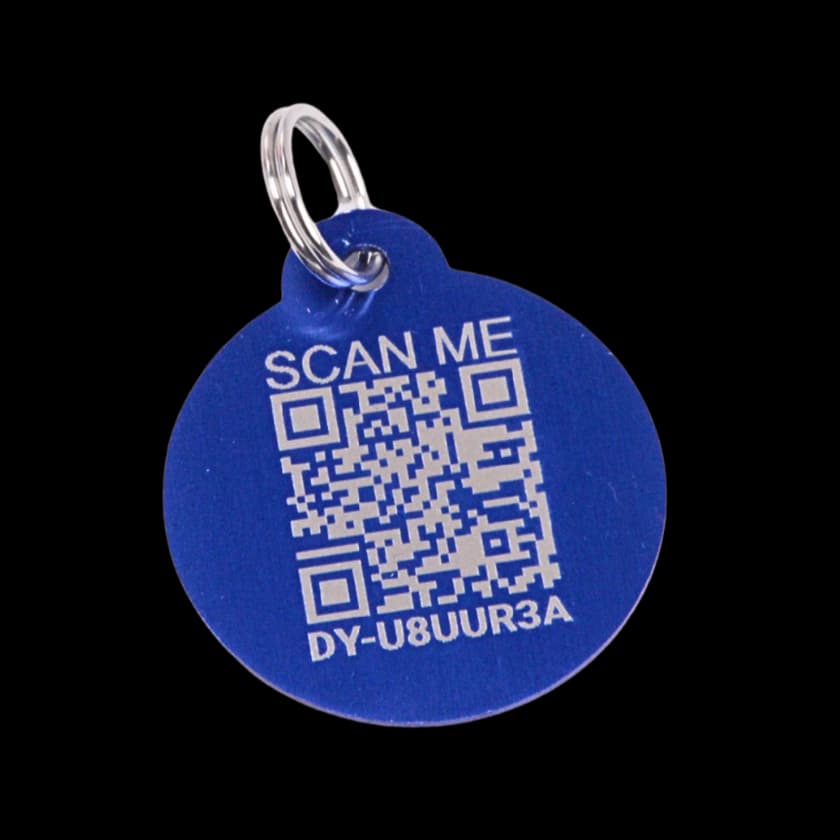
A linked Driyu tag opens public information and visible contacts with internet access. Mark the pet lost so the report form is available. An accepted report starts notification attempts; opening the page alone does not send an alert and delivery is not guaranteed.
A tag provides an identification route if someone can safely read it. It cannot locate a hiding cat and does not replace the search.
If your Driyu profile is set up, activating Lost Mode (the in-app option to mark a pet as missing) and confirming your contact details are current is the right next step.
A short FAQ
Why no response when I call? Fear can make a cat quiet, but silence does not show where it is or whether it is safe. Continue careful checks and reporting.
Is there hope after a week? Cats can be found after longer absences. Continue checking reports, sightings, and shelters and adapt the search with local help.
Should I leave food outside? Ask a recovery service about a monitored feeding or trapping plan. Unmonitored food may attract wildlife and other cats; no portion or timing is right for every location.
Should another pet help search? Keep other pets securely at home unless a qualified recovery professional recommends a specific safe plan. Do not create another escape risk.
My cat doesn’t have a microchip. Should I get one when they come home? Yes. The AVMA recommends microchipping as a baseline pet ID measure, and a found cat without a microchip is much harder for a shelter to reunite. A vet appointment after recovery is a good time to handle this.
A quiet search can feel discouraging. Keep a shared log of sightings, places checked, and reports so helpers can coordinate without repeatedly disturbing hiding places.
Search, report, and update identification in parallel. Use local advice and new evidence to decide the next step.
Sources and further reading
- Missing Animal Response Network — Lost Cat Behavior and Search Strategy. Specialty professional network focused on lost-pet recovery patterns and behavioral research. missinganimalresponse.com
- Huang, L., Coradini, M., Rand, J., Morton, J., Albrecht, K., Wasson, B., Robertson, D. (2018). “Search Methods Used to Locate Missing Cats and Locations Where Missing Cats Are Found.” Animals, 8(1), 5. doi.org/10.3390/ani8010005
- ASPCA — Finding a Lost Pet. Pet welfare organization with lost-cat-specific resources. aspca.org
- American Veterinary Medical Association — Microchipping of Animals FAQ. Veterinary professional body with reference material on pet identification. AVMA — Microchipping your pet · PDF
The study cited here used owner-reported search experiences, not a guaranteed search formula. Kat Albrecht contributed to the cited research and the Missing Animal Response Network methodology; these are not wholly independent sources.