
Pet evacuation: a calm plan for wildfires, hurricanes, and floods
An evacuation plan made in a quiet afternoon is the gift you give yourself for the moment when there is no time to think. Here’s what to organize, where to go, and how to keep your pet identified through it.
THE DRIYU JOURNAL
Emergency & Safety
In this reading
Prepare supplies, transport, contacts, and destinations before an emergency. Follow current official instructions: some hazards require sheltering in place rather than driving away. Do not assume you will have 15 minutes or any warning.
A note about lost-pet recovery
No tool can guarantee a lost pet will be found. Driyu can help organize information and make contact easier when someone scans or reports a found pet, but recovery also depends on the situation, the finder, local shelters, microchip registration, and your search actions.
This guide helps organize pet needs. Driyu is not an emergency-response service or an offline navigation tool. Keep printed information and a plan that works if phone service is unavailable.
The go-bag: what actually goes in it
A pet go-bag lives in the same spot as your own emergency bag — near the door, in a closet you walk by every day. Contents:
- Carrier or harness with leash. Sized to the pet. Cats need a carrier; dogs need a leash and harness even if they normally walk off-lead.
- Food and drinking water for the period recommended by local emergency guidance, with extra for delays where practical. Store appropriately and rotate by expiry and storage conditions.
- A small bowl, collapsible if you can fit it.
- Prescribed medicines in labeled packaging, directions, and storage supplies. Arrange the emergency supply and any refrigeration needs with the vet in advance.
- Vaccination records and microchip information, in a waterproof pouch. Some shelters require proof of rabies.
- Recent identifying photos, including one with you if available, plus adoption or ownership documents. A photo alone may not establish ownership.
- A toy or blanket with home smells. Comfort matters more than people realize.
- Waste bags and, for cats, litter, a tray, and a scoop. Confirm what destinations can provide.
- A short written care card with your contact, an out-of-area emergency contact, vet info, and any quirks.
Identification and offline contact copies
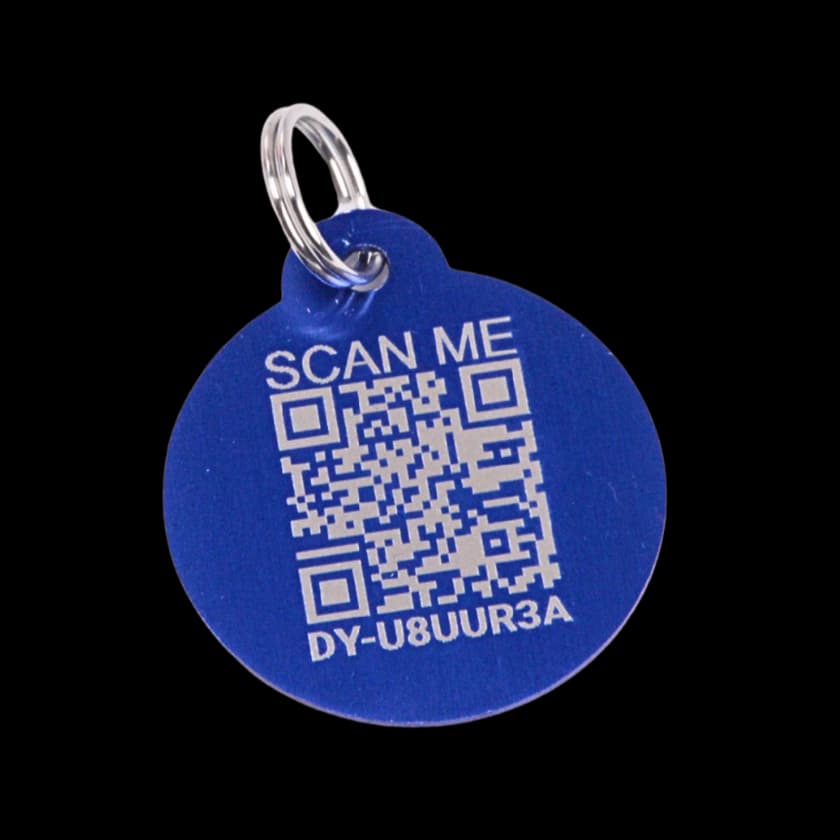
Keep physical ID and the microchip registry current. Check a linked Driyu tag page too, but remember it needs internet access and does not track GPS. Carry readable contact and care details separately. See identification layers.
Where you will actually go
A plan that says “evacuate” without naming places is not a plan. Identify in advance:
- A destination confirmed to accept your pets, outside the affected area and reachable by routes officials consider safe. Distance alone does not make it safe.
- A backup destination in a different direction. Evacuation routes vary by hazard — wildfires close one set of roads, hurricanes another.
- Pet-friendly accommodation along possible safe routes. Confirm each property’s current acceptance, capacity, species, size limits, and fees.
- A suitable boarding or care option if your own destination cannot accommodate the pet, confirmed before travelling.
- Ask local emergency management which shelters accept household pets and how transport and registration work. Do not assume every human shelter admits pets; service-animal rules are separate.
Always follow current local evacuation orders and official guidance — the destinations above are starting points for planning, not substitutes for the official direction given during an event.
If told to leave immediately
Follow the official instruction without delaying for optional tasks:
- Grab the go-bag.
- Use the prepared safe transport setup. Do not enter danger or delay an urgent departure trying to force a frightened animal into equipment. Contact responders if you cannot evacuate safely.
- Confirm tag/collar is on.
- Use photos already prepared; do not stop an urgent evacuation for a new photo.
- When safe, tell the agreed out-of-area contact where you are heading. A relay contact helps only when communication is available.
- Go.
If you and your pet get separated
Contact the official local animal-response or reunification service from a safe place and provide identifying details and the last known location. Do not re-enter an evacuation zone to search without authorization. See the recovery checklist, adapted to official disaster instructions.
After the event
Return only when officials say it is safe. Check containment and hazards before allowing pets into the area, and seek veterinary advice for injuries, exposures, or concerning behavior. Adjustment varies. Review preparedness supplies after use.
A short FAQ
How much time do I usually have to evacuate? It varies. Hurricanes may give days; wildfires sometimes minutes. Plan for the shorter scenario.
Where can pets go? Use a confirmed pet-accepting destination or the local emergency animal plan. Do not assume a hotel or public shelter can admit them without checking.
What paperwork should I bring for my pet? Vaccination records, photo, microchip number, medication list, vet contact, and pet licenses.
Should pets be left behind? Plan to take them with you. If immediate danger prevents safe evacuation with a pet, tell responders its location and needs; do not risk a life by re-entering.
What if my pet gets separated from me? Make sure ID is current before you leave; include an out-of-region backup contact on the microchip registry.
Practice the plan safely, keep supplies current, and follow official directions during an event. Preparation reduces decisions under pressure without guaranteeing a particular outcome.
Sources and further reading
- Ready.gov — Pet and Animal Emergency Planning. Federally maintained preparedness resource. ready.gov/pets
- FEMA — Helping Pets During Disasters. fema.gov
- American Veterinary Medical Association — Disaster Preparedness. AVMA — Saving the whole family: disaster preparedness · PDF
- ASPCA — Disaster Preparedness for Pets. aspca.org
- American Red Cross — Pet Disaster Preparedness. redcross.org