
Pet emergency preparedness: a checklist for pet owners
What to prepare before an emergency involving your pet — from copies of records to emergency contacts and a plan for where your pet goes.
THE DRIYU JOURNAL
Emergency & Safety
In this reading
Prepare supplies, identification, trusted caregivers, and a safe destination plan. Revisit them when medicines, contacts, or local risks change; no one-time kit covers every emergency.
Plan who can help, how they can reach your pet safely, and what the pet needs. Follow local emergency instructions and do not delay evacuation to collect supplies or records.
Step 1 — Build a pet “go-bag”
A go-bag is a small, ready-to-grab kit you keep in a known location. The Red Cross, ASPCA, and Ready.gov all recommend variations of the same basic contents:
- Plan food and water for the duration advised locally; the Red Cross recommends at least three days. Include a larger reserve where practical and rotate supplies by their storage and expiry instructions.
- Bowls — collapsible bowls take up less space.
- A leash and a backup collar.
- A carrier or crate for cats and small dogs.
- Keep prescribed medicines in properly labeled original packaging, with instructions and a vet-approved backup supply. Plan for refrigeration or other storage needs.
- Carry printed vaccination and care records plus a private digital copy available offline. Neither format is always accessible.
- A current photo of your pet that shows distinguishing markings clearly.
- Pack a familiar towel or blanket if suitable for the pet. It may offer comfort, but does not ensure calm.
- Waste bags and a small amount of litter (for cats).
- Comfort items — a favorite toy, especially for anxious pets.
Keep the go-bag near your own emergency supplies, ideally close to the door you would use to leave the house quickly.
Step 2 — Prepare your pet’s identification
Current identification provides contact routes if you are separated; it does not guarantee reunion.
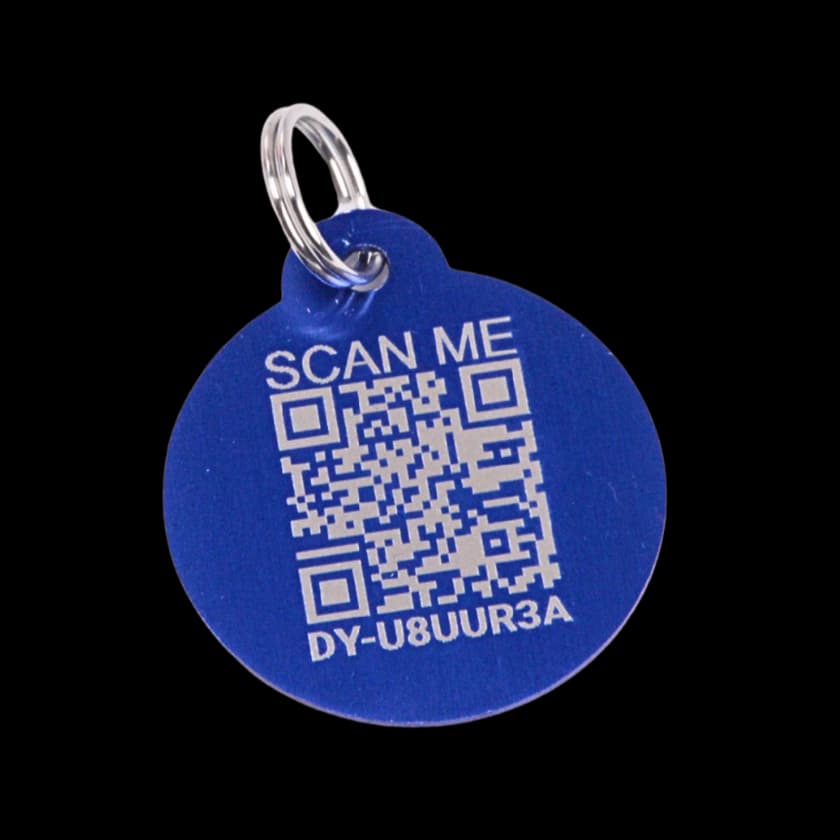
- Make sure the collar tag has a current phone number. This sounds obvious; many pet owners realize during an emergency that their tag still has an old number.
- Confirm the chip number and registration contacts with the registry. Implantation, registry updates, and your Driyu profile are separate tasks.
- Have a recent photo accessible on your phone that clearly shows your pet’s face and any distinguishing features. Take a fresh one if it’s been more than six months.
- Ask a trusted person to be a backup contact. Discuss pickup, access, and clinic-approved authorization separately; listing a contact does not itself give legal or medical authority.
Step 3 — Make a “what if I can’t get home” plan
Some emergencies separate you from your pet. A car accident, a hospital stay, a flight delay, an evacuation that closes a road. The middle of the emergency is not when you want to figure out who handles your pet.
- Identify two people who could take care of your pet on short notice. A neighbor, a family member, a close friend. Talk to them ahead of time.
- Arrange secure private home access for trusted caregivers, only when authorities say it is safe. Never ask someone to enter an evacuation zone or unsafe building.
- Make sure they know where your pet’s food, medication, leash, and carrier are. A short note inside the go-bag listing this saves a lot of confusion.
- Tell them your vet’s name and phone number. And let your vet know who is authorized to make decisions for your pet if you can’t.
Step 4 — Plan for an evacuation
If you ever need to leave your home with your pet — for a hurricane, wildfire, gas leak, or any other reason — knowing where you’d go is half the work.
- Identify pet-friendly hotels along the routes you might take. Many hotel chains have published pet policies; the ASPCA and AVMA both publish guidance on planning for evacuation with pets.
- Know which local shelters accept pets during emergencies. Not all do. Your local animal services or county emergency management office can tell you.
- Have your pet’s carrier accessible. Don’t bury it under garage storage. In an evacuation, you don’t have time to dig.
- Practice loading your pet into the carrier during calm times. A pet who has only ever entered the carrier on the way to the vet associates it with stress. A few low-pressure practice sessions help.
Step 5 — Specific preparedness for your region
Your pet’s emergency plan should reflect what’s actually likely in your area.
- Hurricanes: plan early evacuation when directed, backup supplies and power needs, and the safe shelter options identified by local authorities.
- Wildfire regions: evacuation readiness is the priority; smoke and air quality matter for pets too. The ASPCA publishes wildfire-specific pet preparedness guidance.
- Earthquake regions: secure heavy furniture that pets sleep near. Have a leash and carrier accessible at a low level (not on a high shelf that could be knocked down).
- Cold-weather regions: know the limits of your pet’s tolerance for cold; have a warm option available; never leave pets in a vehicle in extreme temperatures, hot or cold.
- Tornadoes: follow local warnings and shelter in a basement or small interior room on the lowest floor of a sturdy building, away from windows, with pets secured. Do not use a quiet room as a substitute for appropriate storm shelter.
Ready.gov maintains a federally-maintained Animals and Pets resource at ready.gov/animals — it’s a strong starting point regardless of where you live.
Step 6 — Keep records accessible
Accessible records can support care when services are disrupted.
- Vaccination records. Recent rabies and core vaccine documentation can be required by hotels, shelters, or boarding facilities during evacuation.
- Medical history. Especially important for senior pets or pets with ongoing conditions.
- Medication list. Names, dosages, refill timing.
- Emergency contact info for your vet.
- Photos of your pet.
Keep printed copies and a private offline digital backup. Test access beforehand; a web profile may require internet, power, and sign-in.
Keep detailed records and access codes private. Share only necessary public recovery information and give authorized caregivers a secure copy of the care plan.
How a Driyu profile fits in
Driyu organizes pet identity and owner-account contacts. Medical records, documents and Family Sync caregiver access have limited Free capacity; Pro expands those limits; public scan alerts are separate. None replaces offline records, supplies, or a veterinarian’s instructions.
An emergency contact is not automatically a Family Sync member. Invite the appropriate person with the intended role and confirm access before an emergency. Keep home keys and access codes off public pages.
A short FAQ
When should I review the kit? Check expiry and storage needs regularly and update immediately after treatment, contact, or household changes and after using supplies. A calendar review helps but is not a reason to leave outdated medicine inside.
My pet has special medical needs. Is the basic kit enough? Probably not. Add a longer supply of medications, written care instructions, and detailed emergency contact info for your vet and any specialists. Talk to your vet about what additional supplies make sense.
What about exotic pets? Birds, reptiles, fish, and small mammals all have specific emergency needs. The ASPCA publishes general guidance, but your exotic-vet specialist is the best source for species-specific preparedness.
Do indoor cats need a plan? Yes. Plan suitable identification, safe carriers, and secure handling for every cat, including those that normally stay indoors.
What if I have multiple pets? A separate kit per pet is ideal but not always practical. At minimum, keep separate medications and medical records per pet, and have enough carriers for each.
Preparation is an ongoing household routine. Match it to each pet’s needs, local hazards, and the people who can safely help.
Review the plan together and update it when circumstances change.
Sources and further reading
- ASPCA — Disaster Preparedness for Pets. Pet welfare organization with disaster-specific pet preparedness guidance. aspca.org
- Ready.gov — Animals and Pets. Federally-maintained emergency preparedness resource for households with pets. ready.gov/animals
- American Red Cross — Pet Disaster Preparedness. General guidance on emergency planning with pets. redcross.org
- American Veterinary Medical Association — Pet Disaster Preparedness. Veterinary professional body with disaster-preparedness guidance. AVMA — Saving the whole family: disaster preparedness · PDF
- American Veterinary Medical Association — Microchipping of Animals FAQ. Reference on microchip registration importance. AVMA — Microchipping your pet · PDF