
Houston hurricane pet evacuation: a 2026 checklist
Prepare your pet’s evacuation kit and identification before a storm threatens. Houston households also need a plan for receiving local alerts, checking evacuation instructions and confirming a destination that can accept their animals.
THE DRIYU JOURNAL
Emergency & Safety
In this reading
Quick answer: prepare supplies, medications arranged with your veterinarian, records, current identification and a confirmed pet-friendly destination. Follow the instructions for your location. An inland address or a named highway is not automatically a safe destination or route.
A note about travel requirements
Travel and health-certificate requirements can change by destination, airline, state, and country. Always confirm current requirements with your veterinarian, airline, destination authority, and official government sources before travel.
Before hurricane season starts
- Stage food, drinking water, bowls, waste supplies, a leash or carrier, prescribed medicines, records, microchip information, recent photos and written contacts. Plan quantities with your veterinarian and local preparedness guidance.
- Review reachable phone and email details, city, state and emergency contacts in Driyu. Keep private addresses out of public notes.
- Verify microchip registry contact info.
- Identify more than one potential host or lodging option, then check actual storm impacts, local evacuation instructions and road conditions before choosing a route.
- Confirm a friend or family member inland is willing to host pets if needed.
- Save local emergency-management and animal-services contacts. Shelter openings and pet arrangements depend on the event; a saved name is not confirmation of space.
When a storm threatens
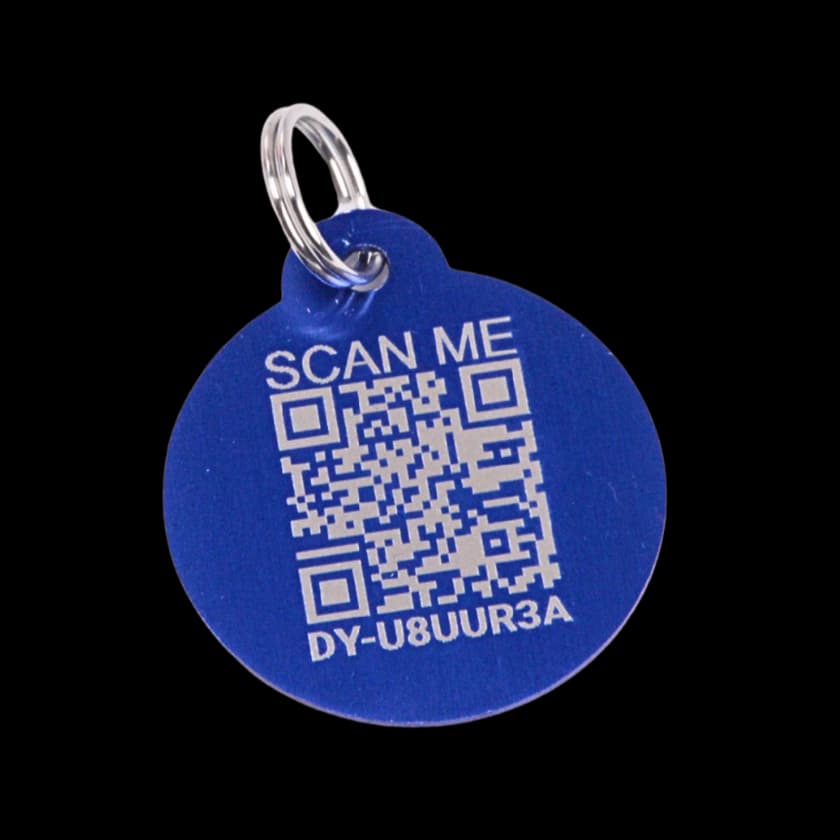
Check local alerts and your evacuation plan. Arrange prescription refills with your veterinarian before supplies run low. Test the QR page, confirm contact visibility and ask your host whether space is still available. Keep the kit accessible.
Follow evacuation instructions for your location
Know your evacuation zone and act on local instructions promptly. Do not wait for a forecast cone to reach a particular place or choose a route from a general article. The appropriate action may differ by neighborhood and hazard.
Include pets in your evacuation arrangements. If you cannot reach or transport them safely, tell emergency responders or local animal services; do not enter a dangerous area yourself.
On the road
- Plan safe opportunities for water and toileting according to your pet’s needs and the route conditions. Secure the pet before opening a vehicle door.
- Never leave the pet in a parked car.
- Carry clean drinking water in a sealed container.
- Keep each animal securely restrained in a suitable carrier or vehicle restraint.
- Bring a written contact card and copies of essential records as well as a charged phone; a browser page may be unavailable without service.
After the storm passes
Return only when officials say it is safe. Review contact details if you are displaced, and update the microchip registry separately. If your pet goes missing, start local lost-pet reporting promptly and use Driyu’s lost-mode tools alongside the search.
How Driyu fits
Driyu’s public page provides identification and the contact information you leave visible. Private Medical Records and Cloud Vault have limited Free capacity and more capacity with Pro; a tag scan does not expose the entire history. The account’s home-address field is not displayed, but information you type into public notes can still be read.
Related reads from Driyu
- Hurricane and storm preparation for pet owners
- Pet emergency go-bag: what to pack before you need it
- Pet evacuation: a calm plan for wildfires, hurricanes, and floods
Sources and further reading
- Houston OEM — preparedness, alerts and evacuation planning
- American Red Cross — planning for pets in emergencies
- National Hurricane Center — hurricane season dates
- Ready.gov — pet preparedness
Frequently asked questions
When does Atlantic hurricane season run?
The official Atlantic season is June 1 through November 30. Storms can occur outside those dates, so keep the plan usable year-round.
Where can I take my pet?
Arrange more than one option, such as a confirmed host, lodging or an event-specific shelter. Verify species, size, vaccination, crate and capacity requirements directly; hotel brand names do not guarantee acceptance.
Can I bring my pet to a Red Cross shelter?
Confirm the arrangements for that shelter. Service animals assisting people with disabilities are allowed; accommodations for household pets vary and may be separate or nearby. Do not assume a pet can stay beside you.
What about a flood?
Use local flood warnings and evacuation instructions. A hurricane plan does not identify safe roads during a flash flood. Never drive or walk through floodwater to retrieve supplies or a pet.