
Rescue transport relay pet information card
A rescue journey may involve several drivers and handoffs. A current information card helps each person identify the animal, understand their responsibilities and contact the coordinators.
THE DRIYU JOURNAL
Records & Paperwork
In this reading
Quick answer: prepare a separate card with confirmed identity, photo, microchip if present, relevant care instructions and coordinator contacts. Keep required health and transport documents with the animal, and limit private details to authorized recipients.
A note about veterinary care
This article is for organization and general education only. It is not veterinary advice, diagnosis, or treatment. Always ask your veterinarian about your pet's health, medications, vaccinations, weight, symptoms, or care plan.
Card fields
- Name or shelter ID
- Age and breed description, clearly marked if estimated
- Dated medical documents and prescribed care instructions
- Behavior notes (food, social, special needs)
- Origin coordinator
- Destination coordinator
- Microchip number
- Photo
Handoff chain integrity
At each handoff, match the animal, carrier and records, confirm the next responsible person and record the transfer. Keep the essential card with the animal, including when phones cannot connect.
How Driyu fits
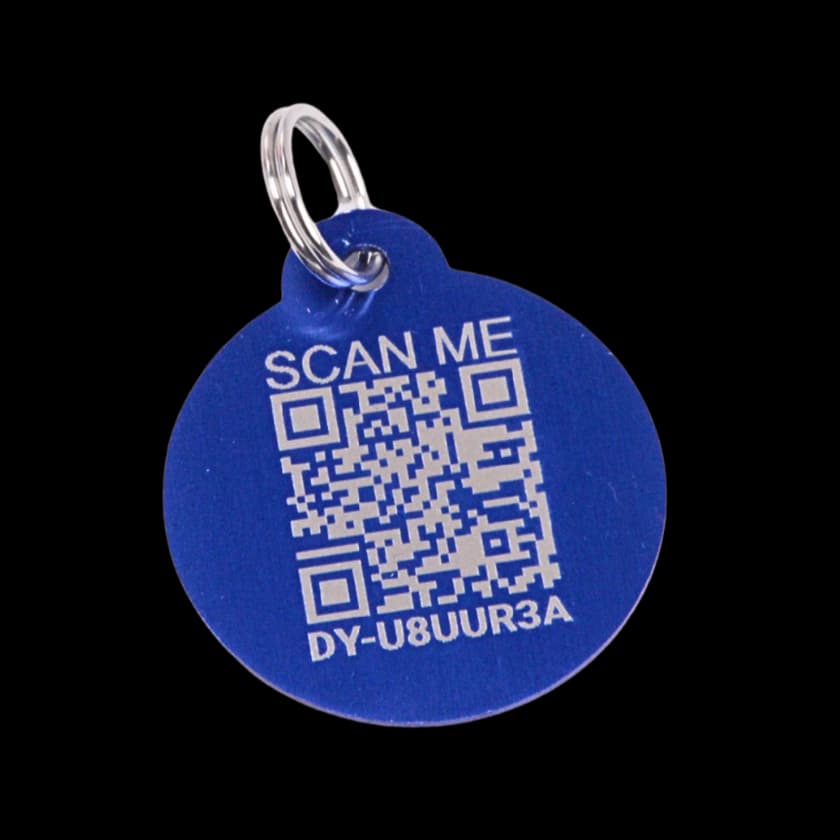
A Driyu QR tag can open the linked public recovery profile after proper activation. It does not give a driver access to every private medical document. Provide the transport team’s authorized brief and required documents separately.
Related reads from Driyu
- The rescue foster handoff: a calm document checklist
- Foster coordinator multi-pet information binder
- A shelter volunteer’s pet records template
Sources and further reading
- Best Friends Animal Society — Transport
- ASPCApro — transport reports and checklists
- Humane World for Animals
Frequently asked questions
Paper card or digital?
Keep readable paper instructions available during stops and a secure digital backup. Do not read or operate a phone while driving, and do not depend on internet access throughout the route.
Who maintains the card?
Origin coordinator creates it; destination coordinator updates as needed.
What about medication during transport?
Agree the administration, storage and responsible person with the organization and prescribing veterinarian before departure. Follow the labeled instructions; do not improvise a dose or cooling method.
What if the animal is sick during transport?
Stop safely and obtain veterinary advice promptly. For a serious emergency, contact the nearest appropriate emergency clinic and the coordinator; do not simply continue to the next handoff.