
Foster coordinator multi-pet information binder
Coordinating several foster pets calls for clear, dated records and named responsibilities. Give each pet a distinct reference and share information according to the recipient’s role.
THE DRIYU JOURNAL
Records & Paperwork
In this reading
Quick answer: Per animal: ID number, intake date, source, current foster, medical status, behavior observation log, next-step (vet appointment, adoption-ready date, training need), records (vaccines, spay/neuter). Single binder section per animal; consistent format across sections.
A note about veterinary care
This article is for organization and general education only. It is not veterinary advice, diagnosis, or treatment. Always ask your veterinarian about your pet's health, medications, vaccinations, weight, symptoms, or care plan.
Why a binder still works
Keep the working record accessible to authorized coordinators and caregivers. Prospective adopters do not need every foster household’s private contact information. Prepare appropriate offline copies separately; a shared online binder is not automatically available without internet.
Per-animal fields
- Shelter ID number
- Intake date and source
- Current foster caregiver and private contact details, restricted to authorized people
- Confirmed medical status, source documents and the organization’s veterinary instructions
- Behavior observations (chronological)
- Next agreed action and responsible person; only the organization confirms adoption readiness
- Records (paper or PDF)
- Photos
Transitions
Before a move, identify the recipient, confirm the next responsibilities and provide the records they are authorized to receive. Confirm receipt. Follow the organization’s retention rules and keep unrelated personal details private.
How Driyu fits
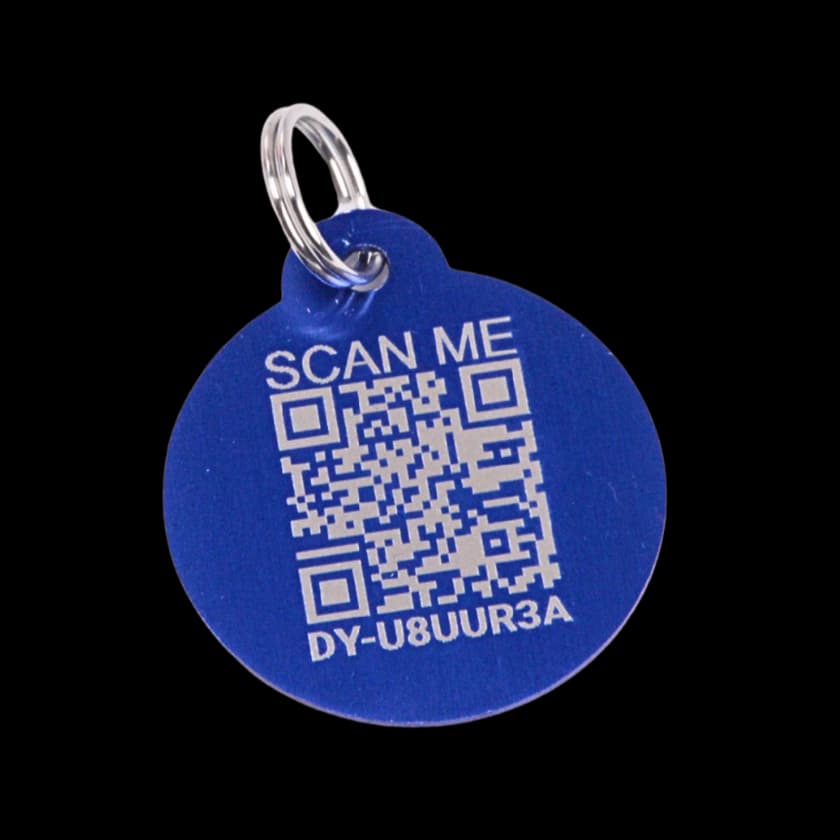
Use a distinct Driyu pet profile for identification and recovery. Detailed Medical Records and Cloud Vault have limited Free capacity and more capacity with Pro. Family Sync can support temporary care with the appropriate View Only or Guardian role. A permanent ownership transfer requires acceptance: eligible pet records move, while emergency contacts, custom reminders, expenses and the subscription do not. Update the independent microchip registry separately.
Related reads from Driyu
- The rescue foster handoff: a calm document checklist
- A shelter volunteer’s pet records template
- Shelter-to-home transition: the records to keep on day one
Sources and further reading
- Best Friends — dog foster care manual
- Best Friends — foster program training
- Maddie’s Fund — Foster resources
Frequently asked questions
Paper or digital?
Use the format the organization can maintain securely. Prepare a current paper or offline copy for essential care where needed, and restrict private contact and medical information to appropriate recipients.
How long do records stay with a fostered pet?
Follow the organization’s retention and adoption policies. Provide the adopter’s authorized pet records without automatically sharing all internal notes or foster household details.
What about training notes?
In the behavior observation section. Specific is better than judgmental.
Who maintains it?
The coordinator with foster contributions. Consistent format helps.