
Shelter-to-home transition: the records to keep on day one
Keep adoption paperwork together and make a few dated observations as your new pet settles in. The aim is a useful starting point, with confirmed facts separated from unknowns.
THE DRIYU JOURNAL
Records & Paperwork
In this reading
Quick answer: Day one: photograph adoption paperwork, save digital copies of all shelter records, write the pet’s baseline (weight, eating, drinking, behavior), update the microchip registry, schedule a new-pet vet visit. Build the pet profile from verified records and clearly labeled gaps.
Why day one matters
Save the documents you receive and note eating, drinking and behavior without forcing extra handling. Keep the dates and sources of information.
The new pet is also adjusting; observation matters as much as paperwork.
What to log day one
- Photograph all paperwork: adoption contract, vaccine records, spay/neuter certificate, microchip card
- Save digital copies in a folder you control
- Use the most recent measured weight with its date and source; label an estimate clearly and never use it to calculate a medicine dose.
- Note current diet — brand, amount, last fed time
- Note known medications with doses
- Note any observed behavior — shy, eating well, vocalizing, sleeping a lot
- Update the microchip registry to your contact information
- Ask the shelter and vet when the first examination is needed; do not delay care for symptoms to fit a routine appointment window.
The 3-3-3 rule context
The popular “3-3-3” idea is a rough reminder that adjustment takes time, not a timetable every pet follows. Respond to the individual animal and seek advice about concerning changes.
Offer a quiet routine and avoid forced interactions, while arranging veterinary care whenever needed.
Household share
- Tell every household member where pet records live
- Set feeding and walking responsibilities for the first week
- Agree on house rules — furniture, sleeping spots, bathroom routine
- Note who handles vet calls and refills
- Share the pet profile with appropriate household members
Vet visit prep
Bring the available adoption records, medication instructions and observations. The veterinarian will decide which examination, tests and vaccine follow-up are appropriate.
Some gaps can be clarified; others remain unknown and should stay labeled that way.
How Driyu fits
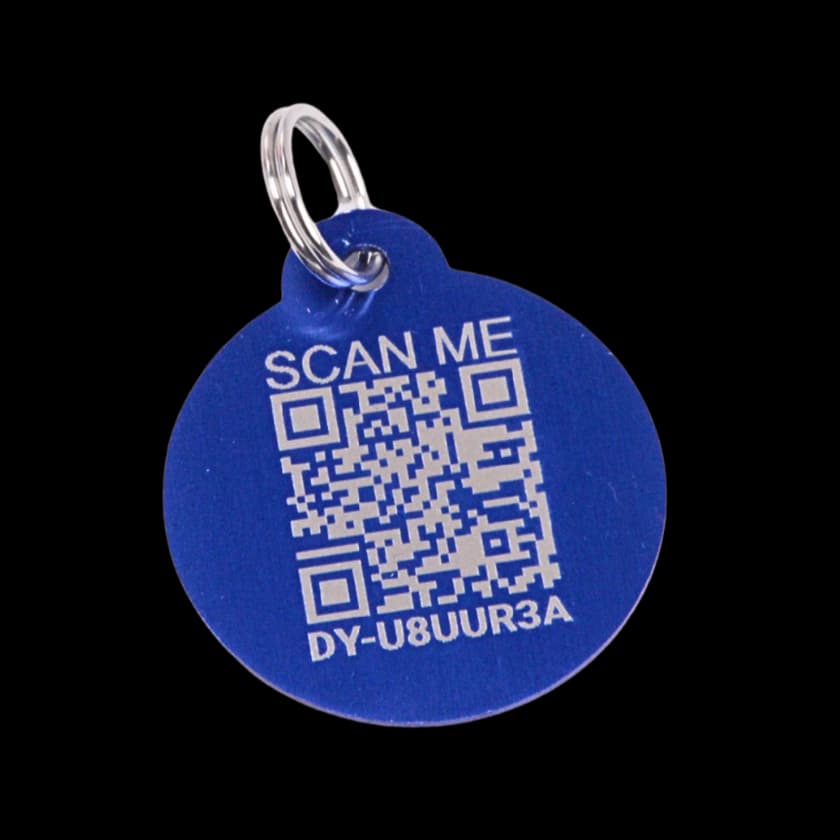
Start with identification and recovery contacts in Driyu. Pro expands medical-record and document capacity and adds weight tools; Nutrition is available where enabled in your account. Enter and check updates yourself. Keep private household details out of temperament or behavior notes, which can appear on the public tag page.
Related reads from Driyu
- Adopting from a shelter: the paperwork checklist
- Adopting an older or shelter pet: decompression, paperwork, and identity reset for the first week
- Importing your adopted pet’s medical history into your records
Sources and further reading
- Best Friends Animal Society — Foster care and transition guidance
- ASPCA — New pet first weeks
- AAHA — Adopted pet first visit
Frequently asked questions
What if the pet refuses to eat on day one?
Stress can affect appetite, but do not assume that food refusal is harmless or wait 48 hours by default. Contact the shelter’s veterinary team or your vet promptly, especially for a cat, young animal or pet with other symptoms.
Should I update the microchip registry immediately?
Start the registry’s update process promptly and verify completion with the organization. Confirm which contact remains responsible until the change is accepted.
When should I introduce other pets?
Follow an individual introduction plan from the shelter or a qualified professional. Use separation and gradual, supervised steps; neither 3–7 days nor the “3-3-3” idea guarantees readiness.
What if the pet shows behavior the shelter did not warn me about?
Describe what happened and ask the shelter and vet for guidance. Pain or illness can change behavior; for safety concerns, use separation and seek qualified help rather than waiting for the behavior to fade.