
Adopting from a shelter: the paperwork checklist
Adoption day brings information to organize as well as a new companion. Ask which records are available, what is still unknown, and who will handle follow-up tasks.
THE DRIYU JOURNAL
Records & Paperwork
In this reading
Quick answer: Request the adoption agreement, available medical and vaccine records, microchip details, and useful care history. Agree on registry transfer and follow-up care before leaving. Put suitable identification in place before the journey home.
A note about privacy
Public recovery pages may show the information the owner chooses to provide or make visible. Review your settings and Driyu's current Privacy Policy for the latest details. Do not share information publicly that you are not comfortable making visible to a finder.
Ask for copies of relevant records the organization can share. Not every shelter has a complete history, and an estimated age or incomplete vaccine history should remain labeled as such.
The paperwork to collect at adoption
- Adoption contract. Your copy of the legal agreement.
- Rabies certificate if a vaccine was given; ask for the document accepted where you live and keep the original when required.
- Vaccine summary. All vaccines given during shelter care, with dates.
- Spay/neuter certificate. If the surgery was done at or before adoption.
- Microchip number. Plus the registry name (e.g., HomeAgain, 24PetWatch, AKC Reunite) so you know where to log in.
- Medical intake notes. Initial exam findings, deworming, parasite treatment, any treatments during stay.
- Behavior notes. Kennel behavior, social observations, known triggers, food preferences.
- A way to ask the foster caregiver questions through the organization, or direct contact if the caregiver consents.
- Date of birth or approximate age as estimated at intake.
- Adoption fee receipt.
The first-week paperwork tasks
- Confirm who must authorize the microchip registry transfer and how it works, then verify the updated record. A chip number is not a login credential and does not itself transfer ownership.
- Arrange the first vet appointment according to the adoption instructions and the pet’s health. Symptoms may need earlier care; send available records by the clinic’s accepted method.
- Have suitable current identification before the journey home or first outing.
- Create or update identification details, and keep private medical and care documents separately from public notes.
- Check pet license requirements. Many cities require dog licensing; some require cat licensing.
- If considering insurance, read the policy’s exclusions, waiting periods, limits, and cost rather than assuming adoption paperwork guarantees coverage.
Questions to ask before you leave the shelter
- What is the pet currently eating?
- What is the feeding schedule?
- How are they with other pets, kids, strangers, men, women?
- Any known fears or triggers?
- What medications are they on?
- What enrichment did they respond to in the kennel?
- Were they returned by a previous adopter? Why?
- Who can I call with questions in the first 2 weeks?
How Driyu can help
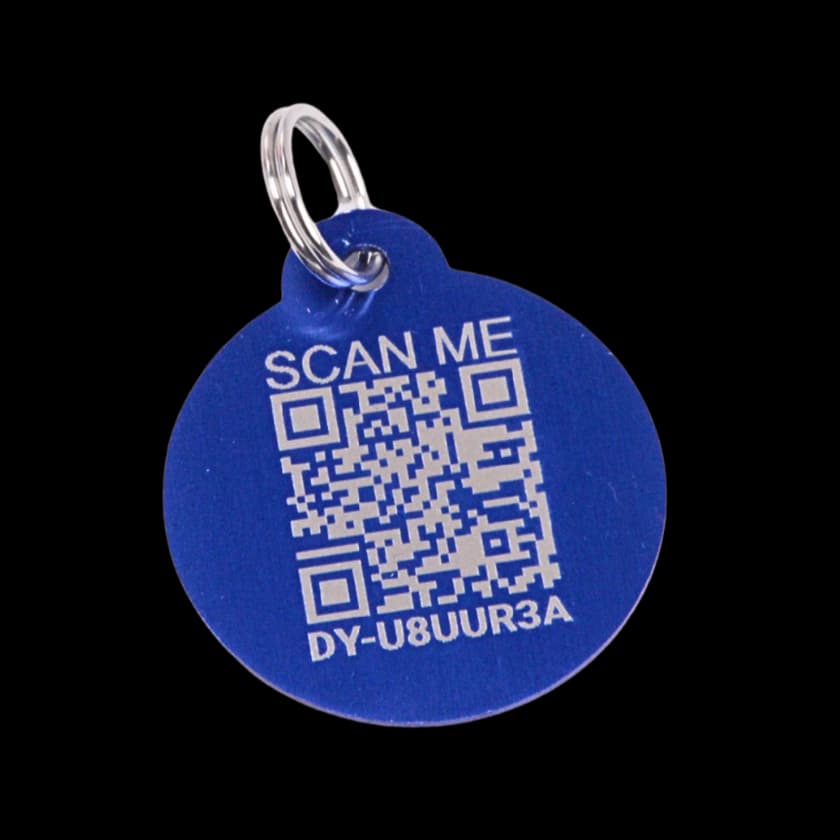
Driyu can hold a photo, identification details, and public contact options. Private medical records and Cloud Vault documents have limited Free capacity; Pro expands it. Check current limits in your account. Updating the microchip field does not update the registry or complete a legal adoption. See the first days at home.
Sources and further reading
- ASPCA — Adopting a pet. Owner-facing adoption guidance. aspca.org
- Humane World — Adopting from a shelter or rescue. Practical adoption resources. humaneworld.org
- AVMA — Microchipping FAQ. Why registry transfer matters for adopters. AVMA — Microchipping your pet · PDF