
New rescue dog: the first 48 hours at home
A quiet arrival, a manageable routine, and current identification help a newly adopted dog settle in. Adjust the pace to the individual dog and the rescue’s care instructions.
THE DRIYU JOURNAL
Health & Daily Care
In this reading
Quick answer: Prepare a comfortable safe space, confirm food and medication instructions with the rescue, and check doors and walking equipment. Have current identification before the journey home. Contact the rescue or veterinarian about concerning symptoms; do not assume every change is normal adjustment.
A note about lost-pet recovery
No tool can guarantee a lost pet will be found. Driyu can help organize information and make contact easier when someone scans or reports a found pet, but recovery also depends on the situation, the finder, local shelters, microchip registration, and your search actions.
Unfamiliar places and routines can be stressful. Plan for secure exits and gentle introductions from the beginning, without imposing a fixed timetable for when a dog should feel settled.
Before they walk in the door
Prepare the home and agree on the care plan before arrival:
- Provide a quiet, comfortable space with water, bedding, and room to move. Ask for advice if confinement causes distress; a smaller space is not automatically better.
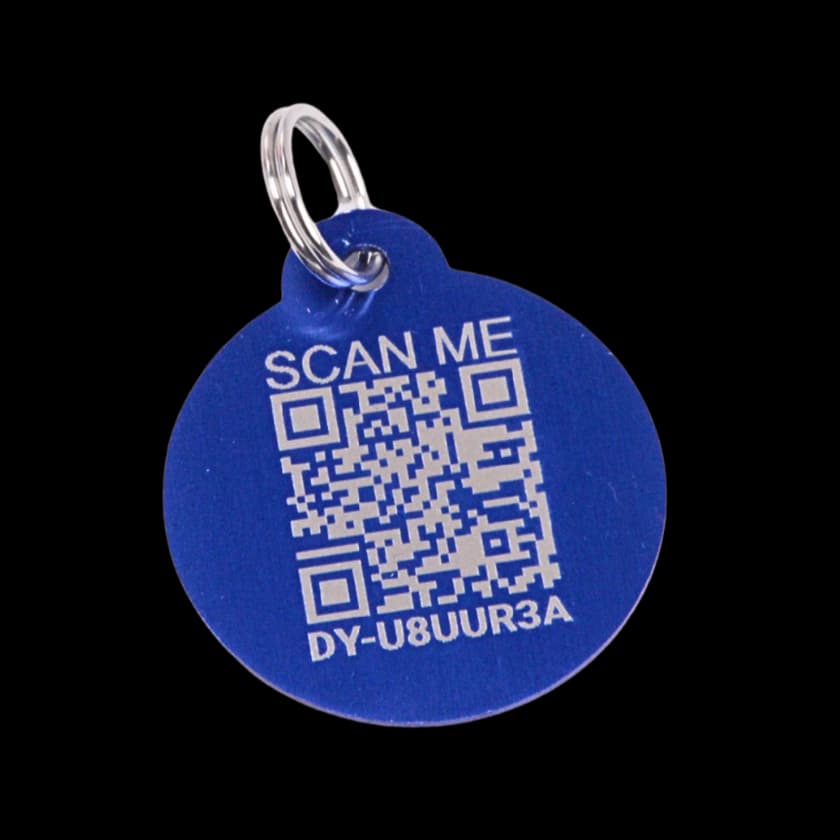
- Have ID on the collar before you arrive. A temporary engraved tag with your phone number, or a QR tag pre-set with current contact info.
- Secure doors, gates, and windows. Insect screens alone are not reliable barriers.
- Brief everyone in the household. Quiet voices, no overhead reaching, no greeting parties.
- Save your vet’s and a nearby 24-hour emergency clinic’s numbers. Hopefully you will not need them; better to have them.
Hour 1: the slow entry
Let the dog approach and explore at a comfortable pace in a secure area. Avoid forced greetings and crowded photo sessions. Provide space and rest, but contact the rescue or vet about marked withdrawal, pain, breathing changes, or other concerning signs.
Day 1: a gentle routine
Follow the agreed care plan and adapt it to the dog:
- Offer toilet opportunities suited to age, health, and the previous routine, using secure walking equipment.
- Follow the agreed food, portions, and meal schedule. Do not reduce food simply because the dog has just been adopted.
- Lots of rest in the safe space.
- Avoid crowds and overwhelming outings. Gentle play or enrichment can be appropriate when the dog is comfortable.
- If the dog wants to interact, fine. If not, leave them alone.
Day 2: observe and adjust
Notice appetite, drinking, toileting, sleep, and comfort around people. Continue a predictable routine and adjust with the rescue’s guidance. Persistent food refusal, illness signs, or severe distress warrant veterinary advice rather than a waiting period for adjustment.
The ID checklist for the first 48 hours
Identification cannot prevent an escape, but current details can help someone contact you:
- Before the journey: suitable identification with current contact details.
- Confirm with the rescue who completes the microchip registry transfer, then verify the resulting contact details directly with the registry. Updating Driyu does not update that registry.
- Take a clear current photo when the dog is comfortable.
- Check the public photo and contact settings on the digital profile. Keep private medical and care records separate from public notes.
For the broader transition, see adopting an older or shelter pet: the first-week checklist.
Keep escape precautions in place
- Never open the front door without the dog already secured behind a baby gate or in the safe space.
- Ask the rescue or a qualified professional to check the fit and suitability of the collar, harness, and leash. No equipment is escape-proof.
- Use secure, supervised outdoor arrangements suited to the dog and the rescue’s advice.
- Build recall gradually in a safely enclosed setting. Do not test it near traffic or other hazards.
- Brief delivery people, kids, and friends on the “keep the door closed” rule.
How Driyu can help
Activate the Driyu tag for the correct pet, then open its public page to check the photo, contact options, and any public behavior notes. Five account settings control phone, email, city, state, and emergency-contact visibility. The page needs an internet connection; a passive scan does not itself notify you. Update the microchip registry separately.
Sources and further reading
- Best Friends — Dog foster care manual, including arrival and adjustment guidance.
- Humane World — Adopting and bringing home a new dog. Practical owner-side resources. humaneworld.org
- AVMA — Microchipping FAQ. Why registry transfer matters for adopters. AVMA — Microchipping your pet · PDF
- Fear Free — Bringing home a fearful or shy dog. Decompression and low-stress handling guidance. fearfree.com