
Adopting an older or shelter pet: decompression, paperwork, and identity reset for the first week
A calm first-week guide for newly adopted older and shelter pets — decompression, paperwork, microchip re-registration, and the identity reset most owners forget.
THE DRIYU JOURNAL
Health & Daily Care
In this reading
Give a newly adopted pet a secure, quiet start and a predictable routine. Confirm identification, records, prescribed care, and the first veterinary appointment with the shelter. Adjustment varies; illness or distress should not be dismissed as part of a timetable.
A note about privacy
Public recovery pages may show the information the owner chooses to provide or make visible. Review your settings and Driyu's current Privacy Policy for the latest details. Do not share information publicly that you are not comfortable making visible to a finder.
Ask what is known about the pet’s history and what remains uncertain. Avoid assuming every shelter pet already has a registered microchip. For younger pets, see the puppy and kitten checklist.
Adjustment has no fixed timetable
The “3-3-3” idea is sometimes used as a reminder to allow time, not a validated schedule or permission to wait through symptoms. Follow the pet’s behavior and seek veterinary or qualified behavior support when needed.
- At first. Offer a quiet resting area and limit visitors. Contact the vet promptly about food refusal, marked lethargy, vomiting, breathing changes, or other signs of illness; do not assume three days without eating is normal.
- As confidence develops. Introduce experiences gradually and use reward-based teaching from the start, without forcing contact or overwhelming the pet.
- Over time. Review routines and support needs. Some pets adjust quickly and others need longer; persistent fear or unsafe behavior deserves help rather than a deadline.
The paperwork the shelter should give you
Before you leave the shelter (or as soon as you can after), gather:
- Vaccination records — dates and types of every vaccine the shelter administered, plus anything they have from the prior owner.
- Spay or neuter certificate — many adoptions include this as a condition.
- Microchip number and registry name. Ask which registry the chip is currently in.
- Known medical history — medications, allergies, prior surgeries, chronic conditions.
- Behavior notes — whatever staff observed in the shelter.
- Adoption contract — some contain return clauses and post-adoption requirements.
Confirm who each identification record names
Ask the shelter to confirm the chip number, registry, current record, and authorized transfer process. A registry update and a Driyu ownership transfer are separate actions. See microchip registration.
- Get the chip number from the shelter paperwork or have your vet scan to confirm.
- Look up the registry at the AAHA Universal Pet Microchip Lookup if you are not sure which database holds the record.
- Complete the registry’s authorized update process with the shelter; requirements and fees vary.
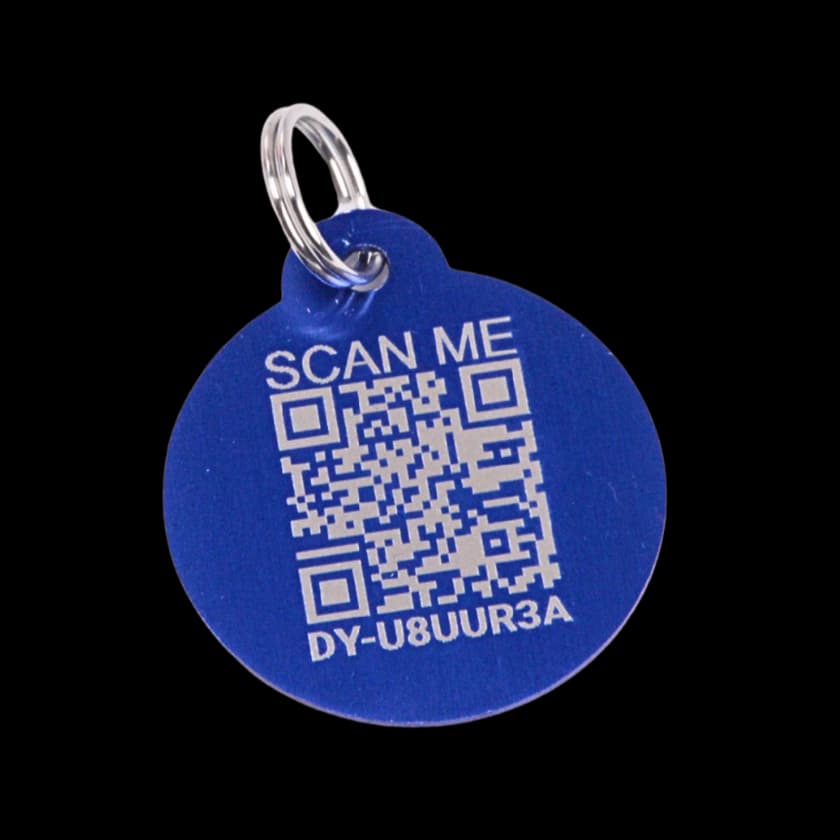
- Check the collar ID and QR page before the first journey. Follow any shelter requirement for an additional organization tag while ensuring your current contact route is available.
The first vet visit
Arrange the first visit according to the shelter’s instructions and the pet’s health needs; seek earlier care for symptoms. Bring available records and ask about chip verification, medicines, vaccination timing, and follow-up. See organizing health records.
Decompression-friendly first-week habits
- Provide a quiet, pet-safe area with a comfortable retreat. A crate is suitable only if the pet is comfortable with it; do not force confinement through panic.
- Predictable routine. Same feeding times. Same walk times. Same people.
- Delay visitors. The new dog or cat does not need to meet your friends, the neighbors, or extended family this week.
- For dogs, use secure, properly fitted walking equipment and check doors and gates. Supervise outside; do not leave a leash attached unattended.
- For cats, start in a secure indoor area and plan gradual introductions. Discuss safe outdoor access, if any, with the shelter and vet rather than using a fixed release date.
How a Driyu profile helps after adoption
Driyu can organize pet identification and contacts; Free has limited medical-record and document capacity; Pro expands those limits. Activate or transfer a tag correctly and check its public page. An accepted ownership transfer can carry eligible pet and care records, but emergency contacts, custom reminders, expenses, and the prior owner’s subscription do not transfer. Maintain the microchip registry separately.