
Microchip registration vs the chip itself: what owners get wrong
The chip number and the contact record are different things. Check both rather than assuming that implantation completed your registration.
THE DRIYU JOURNAL
Pet ID & QR Tags
In this reading
An outdated or missing contact record can make identification harder. Confirm the record directly and keep the chip number with your pet’s documents.
A note about privacy
Public recovery pages may show the information the owner chooses to provide or make visible. Review your settings and Driyu's current Privacy Policy for the latest details. Do not share information publicly that you are not comfortable making visible to a finder.
Ask which steps were completed at implantation or adoption, and which you still need to finish. Keep confirmation of the registry record and review it when your contact details change.
The chip is the hardware
A pet microchip supplies an ID number to a compatible reader; it is not a GPS tracker. Contact information is held separately in a registry. See AAHA’s explanation.
The registration is the database record
The registry record is separate from the implanted device. Ask the registry to confirm the current record rather than treating a chip number as confirmation of up-to-date contact information.
Check whose contacts are saved, especially after an adoption or household change. Follow the registry’s process to correct them.
How to verify your pet’s registration today
A practical check:
- 1. Find your microchip number. Check your adoption paperwork, your vet’s records, or ask your vet to scan and tell you. Write it down.
- 2. Locate the registry. Start with your paperwork or the AAHA lookup linked below.
- 3. Log into that registry and verify the contact info. Name, phone, email, address. Update anything stale.
Where a QR tag fits in
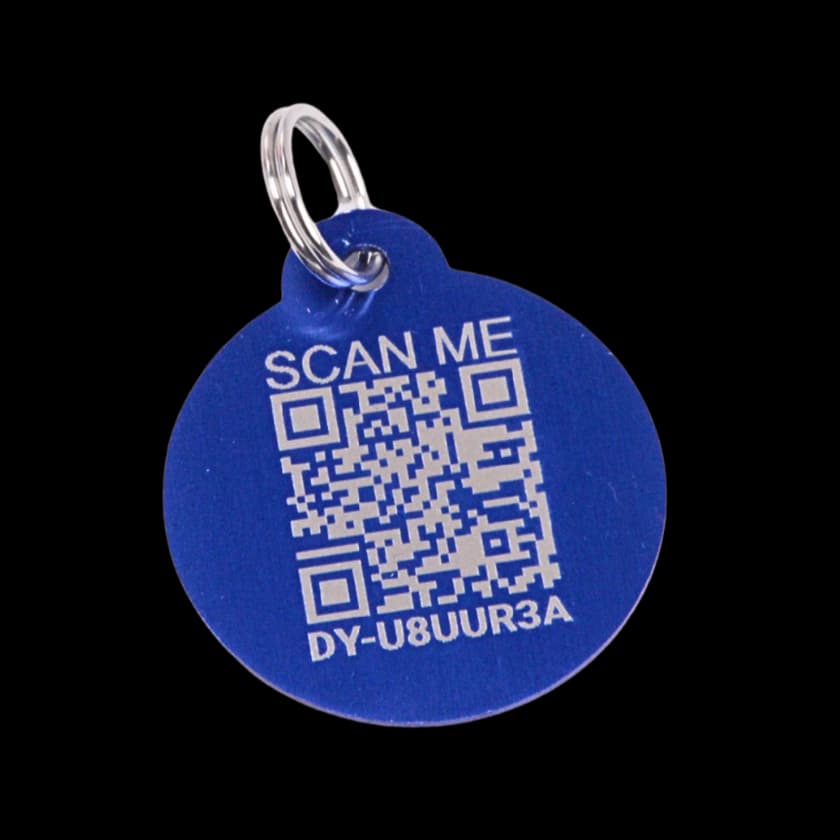
A Driyu QR tag opens a public recovery page with internet access. Visible contact options can be used directly. The found-pet report form appears when the pet or tag is marked lost; an accepted report starts notification attempts without guaranteeing delivery. Opening the page alone does not send a found-pet alert. See the scan walkthrough.
Common mistakes
- “The shelter handled it.” Confirm which steps were completed and whose contact information is saved.
- “I moved but the chip number didn’t change.” True — but the registry contact did. Update it.
- “I lost the paperwork.” Ask your clinic or adoption organization how to recover the chip number and registration details.
- “The search found no record.” A failed lookup is not proof that no chip or registration exists. Ask the clinic or registration provider to help investigate.
- “I assumed everything was free.” Verify the relevant fees and distinguish registration from optional services.
A short FAQ
Is the microchip the same as the registration? No. The chip is hardware with a unique number. The registration is a separate database record that links that number to your contact information.
How do I find the registry? Obtain the full chip number, then use AAHA — Universal Pet Microchip Lookup to find participating registries. It shows registry contacts, not owner details, and cannot update the record.
How often should I update my registry record? Any time your phone, email, or address changes. At minimum, check once a year.
Do I need to pay? Check the registry’s current terms. Do not assume every registration, update or optional service is free.
Can I change registries? Ask the organizations involved about their process and confirm the resulting record. Saving the number in Driyu does not move or update a registry record.
Keep the chip number, registration confirmation and current contacts together. Recheck the record when something changes.
Sources and further reading
- AAHA Universal Pet Microchip Lookup. Meta-search across major registries. AAHA — Universal Pet Microchip Lookup
- American Veterinary Medical Association — Microchipping FAQ. AVMA — Microchipping your pet · PDF
- AAHA — Microchip FAQs.