
The rescue foster handoff: a calm document checklist
When a foster pet moves to a permanent home, prepare the care records and the ownership handoff as separate tasks. Check that the new household can access what it needs.
THE DRIYU JOURNAL
Records & Paperwork
In this reading
Quick answer: collect the pet’s records, routine, current care instructions and contacts. Complete any Driyu ownership transfer through recipient acceptance, then review the new owner’s access. Arrange the microchip registry update separately.
Why a clean handoff matters
Foster periods build trust with a specific human in a specific home. Transitioning to a new owner is a fresh stress. The handoff packet is the bridge — what the new owner needs to keep the routines that worked.
What to include
- Medical records: all vaccinations with dates, spay/neuter, any treatments during foster, vet contact
- Microchip number and registry: confirm who will complete and verify the independent registry update.
- Behavior notes: the calm version — what worked, what triggered, what helped
- Routine summary: privately share feeding, sleeping, walking and crate arrangements.
- Diet: brand, amount, treat list
- Medications: any current, with prescribing vet contact
- Photos and a short intro letter
Behavior notes that help
Describe observed triggers and handling approaches, separating facts from guesses. Do not promise that a food or cue will make a frightened pet safe to approach; ask the rescue or qualified professional for a handling plan when needed.
Note triggers, calming strategies, the specific cue words that work, and any routines worth preserving in the new home.
Microchip registry transfer
Identify the registry and coordinate its own update process with the rescue and adopter. Saving or transferring a pet in Driyu does not change that independent record.
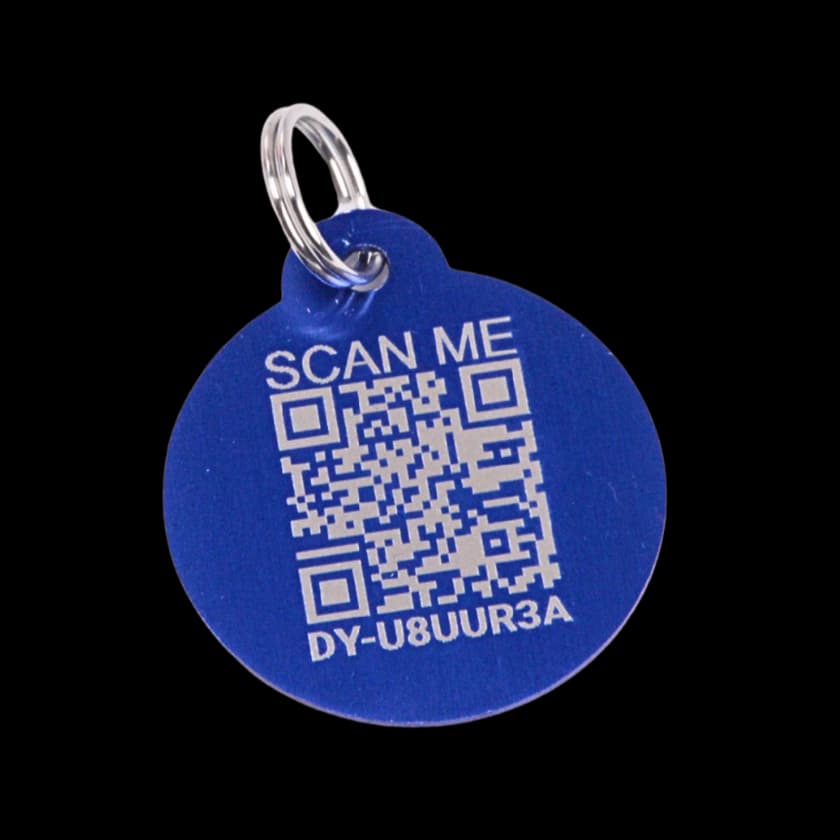
Check the public Driyu page during the handoff so the displayed contacts match the agreed recovery plan. The Driyu transfer, adoption paperwork and microchip registry are separate processes.
First-week follow-up
Agree who the adopter can contact with questions and when to check in. Keep these arrangements with the handoff paperwork.
Follow-up is a chance to identify missing information and clarify the care plan; it does not guarantee any particular adoption outcome.
How Driyu fits
For a permanent change of owner, use the ownership transfer example. Sending the request does not complete the transfer: the recipient must accept. The full pet profile opens to the recipient after acceptance; the pet then leaves the previous owner’s account. Eligible pet records move with it, but the previous owner’s subscription does not transfer. Some transferred information may require the recipient to have Pro.
Do not assume everything in the previous account follows the pet. Existing emergency contacts, custom reminders and expense entries do not transfer. Review the new household’s contacts, public recovery page and care arrangements after acceptance. Driyu does not update the separate microchip registry.
Related reads from Driyu
- Importing your adopted pet’s medical history into your records
- Shelter-to-home transition: the records to keep on day one
- A shelter volunteer’s pet records template
Sources and further reading
- Best Friends Animal Society — Dog foster care manual
- ASPCA — Foster care
- Humane World for Animals — Fostering
Frequently asked questions
Who pays for the records preparation?
Agree with the rescue who will gather and deliver the records and whether any preparation costs apply.
Should foster notes include the prior owner’s information?
Generally no — respect the prior owner’s privacy. Behavioral observations from the foster period are what the new owner needs.
What if the pet has unresolved medical issues?
Pass along the veterinarian’s written findings, treatment plan and contact details. Clarify outstanding questions with the rescue and veterinarian before the handoff.
How long is the foster period typically?
Follow the organization’s arrangement for that pet. Record dated observations and changes instead of assuming a standard foster duration.