
How vaccine records help during emergency vet visits
During an emergency, the veterinary team needs a clear account of what happened and any relevant medical history. Accessible vaccine records can help, but finding paperwork must not delay urgent care.
THE DRIYU JOURNAL
Records & Paperwork
In this reading
Quick answer: Keep dated vaccination records and the clinic-issued certificates readily available. They help the team assess relevant disease and exposure history; they do not replace the examination or establish a treatment plan by themselves.
A note about veterinary care
This article is for organization and general education only. It is not veterinary advice, diagnosis, or treatment. Always ask your veterinarian about your pet's health, medications, vaccinations, weight, symptoms, or care plan.
Why vaccine status matters in an emergency
Vaccination history can inform infectious-disease assessment. Rabies exposure requires veterinary and public-health guidance. Routine core vaccines do not prevent every infection in a wound or determine fluid treatment.
Having documents ready may reduce the need to obtain information from a closed clinic, though the emergency team may still need to verify details.
Records that may help the emergency team
- Rabies vaccination certificate with dates and identifying details, if available.
- Other vaccine names and dates from the clinic record.
- Respiratory vaccine history where relevant to the symptoms.
- Feline leukemia and immunodeficiency test results, with dates, if available.
- Heartworm test and prevention history where relevant.
- Current medications and supplements
- Known allergies and reactions
Where records should live
Save a copy locally on your phone and check that it opens without a connection. Keep a paper backup if useful. Do not assume an online pet profile or cloud folder will load offline.
Rabies specifically
If there may have been rabies exposure, contact the vet promptly and follow local public-health instructions. What happens next depends on the exposure and documented vaccination history. A collar tag alone may not be accepted as proof; keep the clinic-issued certificate.
Travel and international travel
If you have traveled internationally with the pet recently, bring the travel paperwork too. Pets returning from countries with different disease pressures may need additional consideration in the ER.
How Driyu fits
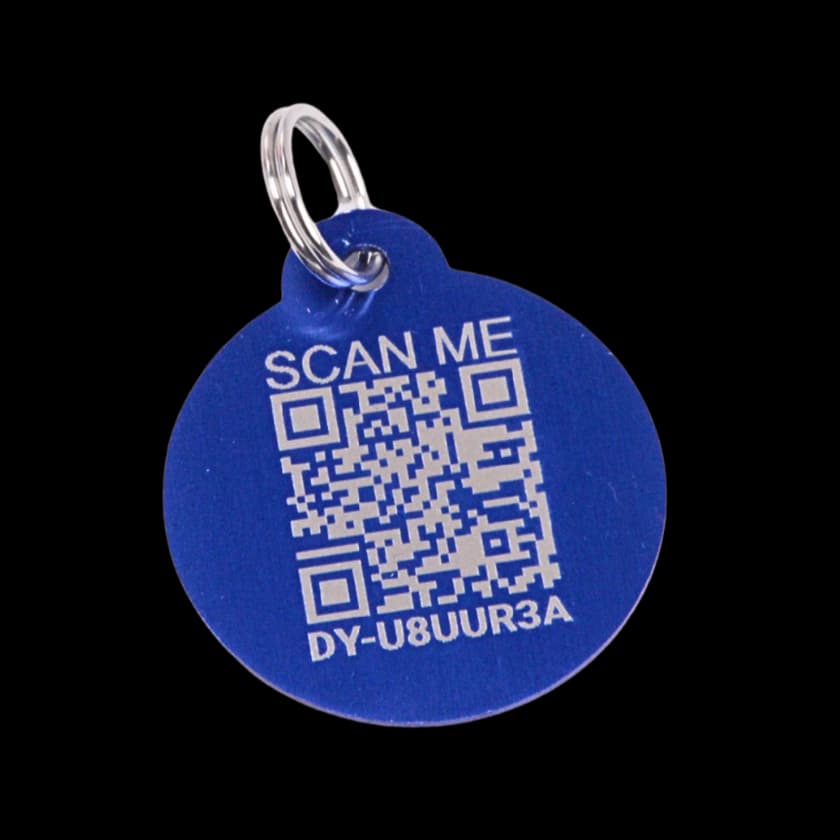
Vaccination and medication records and Cloud Vault documents have limited Free capacity; Pro expands it. Check your account for availability. Open the private record yourself or arrange authorized access; the public QR page does not expose the complete medical file. Keep a separate offline copy of essential documents for emergencies.
Related reads from Driyu
- Pet vaccine records: why easy access matters and how to organize them
- Puppy first-year vaccine timeline (and records to keep)
- Kitten vaccine and deworming records: a tracking template
Sources and further reading
- AAHA — Canine vaccination guidelines
- AAHA/AAFP — Feline vaccination guidelines
- CDC — Rabies guidance for veterinarians
Frequently asked questions
Will the ER call my regular vet?
They may contact the regular clinic, but it may be closed. Bring available records and let the emergency team decide what information is needed without delaying treatment.
Does a microchip carry vaccine records?
No. The microchip identifies the pet; the registry has owner contact. Vaccine records live separately.
What if my pet is overdue on a vaccine?
Tell the team exactly what is documented and what is unknown. An overdue vaccine can affect risk assessment and the next steps, especially after possible rabies exposure.
Should I keep paper certificates?
Keep the clinic-issued certificates and a readable backup. Ask the receiving clinic or authority what documentation they require.