
Traveling with pets: the records and ID checklist most owners forget
A calm pre-trip checklist — what to pack, what to carry, and the small steps that prevent the most common travel problems.
THE DRIYU JOURNAL
Travel
In this reading
Travel planning includes your pet’s fitness to travel, safe transport, current identification, required documents, and a care plan. Check official entry rules and carrier requirements early; international preparation may take months.
A note about travel requirements
Travel and health-certificate requirements can change by destination, airline, state, and country. Always confirm current requirements with your veterinarian, airline, destination authority, and official government sources before travel.
Use this checklist alongside advice from your vet and current official requirements. It does not replace destination-specific planning. See health certificates.
When you begin planning
- Check microchip registry contacts separately from Driyu. Confirm a reachable travel phone and agreed backup contacts. See microchip registration.
- Discuss fitness to travel, vaccination, medication, and any required tests or treatments with the vet. Follow the exact timing for your route.
- Arrange the required health-document appointments, issuer qualifications, and endorsement steps. Do not assume every flight has the same certificate rule.
- Use a suitable carrier or restraint and verify its fit and compatibility with the airline or vehicle instructions. Acclimate the pet gradually before travel.
One week before the trip
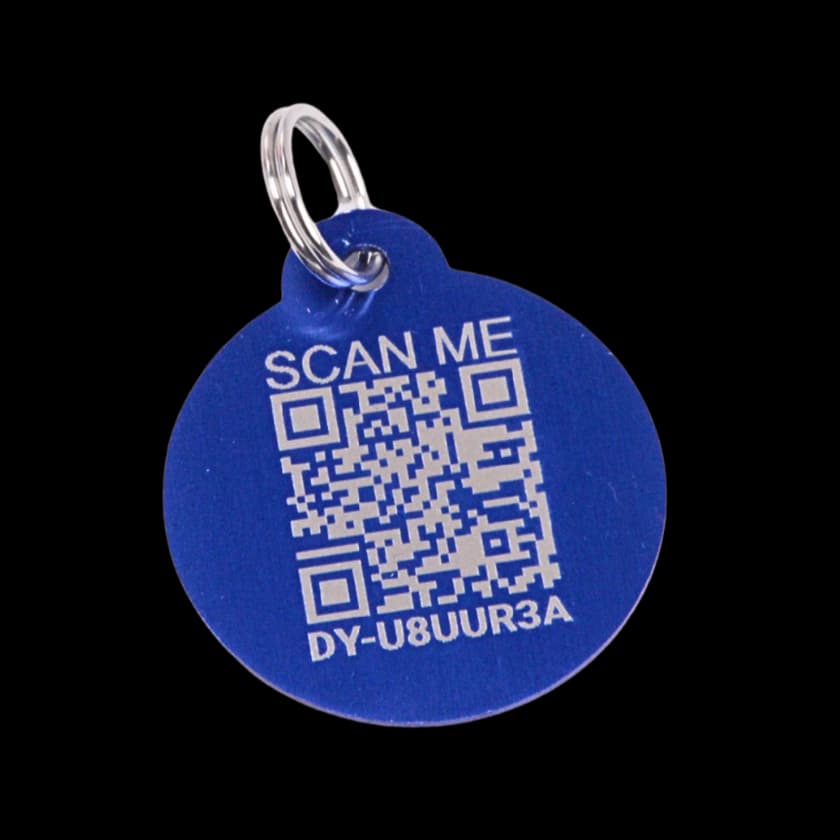
- Check physical ID. Use a securely attached, suitable tag with a phone you can answer while travelling. Avoid exposing accommodation details unnecessarily or relying on a loose taped label.
- Prepare a contact card with photo, owner and backup contacts, clinic details, and microchip information. Keep it accessible without putting loose paper or hazardous attachments inside the carrier.
- Photograph your pet with a clear, recent photo — both a face shot and a side shot. Save to your phone and to cloud backup. This is the photo you would use on a flyer if the worst happens.
- Pack prescribed medicines in labeled containers and discuss a suitable extra supply, storage, and border restrictions with the vet. Do not assume a fixed percentage suits every prescription.
The day before
- Charge everything. Phone, backup battery, smart-tag battery if applicable.
- Confirm reservations. Airline, hotel, boarding, vet at destination if you have arranged one.
- Pack familiar food, safe water, bowls, suitable restraint, waste supplies, and approved comfort items. Plan for delays and temperature-safe storage.
What to carry on your person
Not in the checked bag, not in the carrier — in a pocket or a small folder you can hand to a human:
- Rabies documentation in the required format
- Health certificate if required
- Vaccine summary print-out
- A clearly recorded microchip number and registry contact
- Vet phone number and a backup vet at the destination
- Agreed backup contacts and their current phone numbers
- A printed photo of the pet
The ID layers that matter on a trip
A readable external tag and a registered microchip provide complementary identification routes. A QR page needs internet access and current information; the implanted chip requires a compatible scanner and registry follow-up. See the identification comparison.
If something goes wrong during the trip
Act promptly without chasing the pet or entering unsafe places. Record the last sighting, contact local animal services and nearby shelters, and share a clear notice. In Driyu, mark the pet lost and check available public contacts and instructions. A scan alone does not alert you, and the tag does not track GPS or guarantee recovery.
Sources and further reading
- USDA APHIS — Current travel requirements.
- American Veterinary Medical Association — Traveling with your pet. Veterinary guidance on travel preparation. AVMA — Traveling with your pet · PDF
- U.S. DOT — Airline pet policies.
- IATA — Traveler’s Pet Corner. Industry guidance on airline pet travel requirements. IATA — Traveling with pets