
Multi-pet households: keeping records, schedules, and IDs organized
A sane organizational system for households with more than one pet — records, medication timing, vet appointments, profiles, and what to do when the cat slips out but the dog stays put.
THE DRIYU JOURNAL
Health & Daily Care
In this reading
Keep a separate record for each pet and a clear shared care plan. Distinguish medicine, food, contacts, and identification so caregivers can check the right animal before acting.
A note about veterinary care
This article is for organization and general education only. It is not veterinary advice, diagnosis, or treatment. Always ask your veterinarian about your pet's health, medications, vaccinations, weight, symptoms, or care plan.
Two or three pets in a household is not just “one pet, three times.” The complexity goes up faster than the count: different medications on different schedules, different vet relationships, different ID numbers, different temperaments at the door. This guide is a practical system for keeping it all straight without turning your kitchen into a hospital wing.
One profile per pet, always
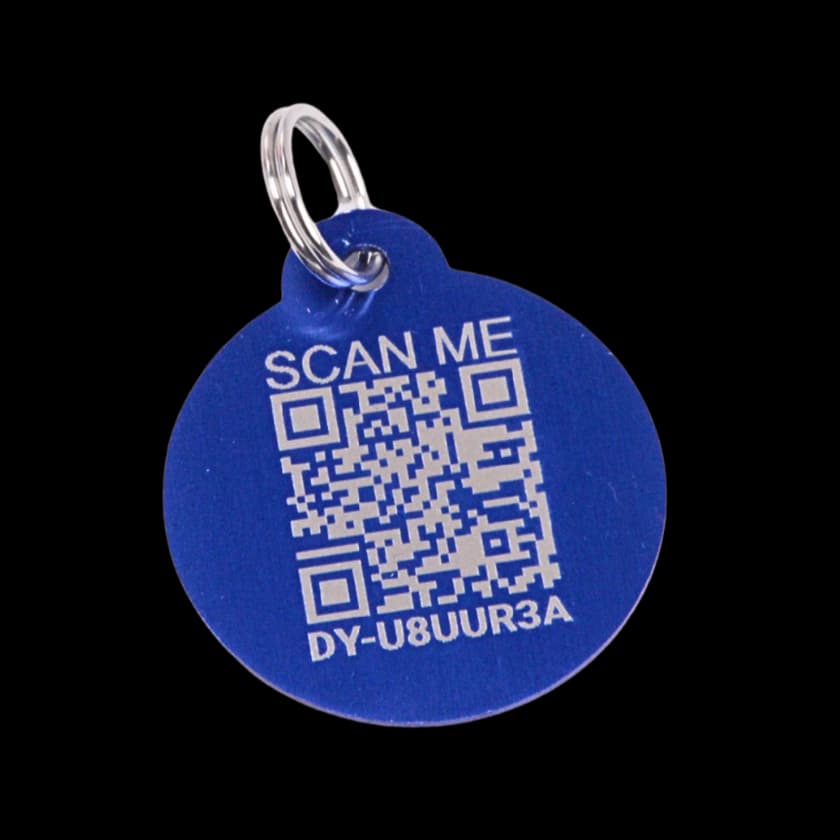
Keep each pet’s identification, health history, and current instructions separate. When using Driyu, scan each activated tag to confirm it opens the correct pet’s page. See the profile checklist.
Medication timing without confusion
Use the prescribed plan for each pet. Check the animal, medicine label, concentration, dose, and time before giving it; never share a prescription between pets without veterinary direction. Helpful supporting tools include:
- A clearly labeled schedule per pet. Colors can help, but names and written instructions must remain readable without relying on color alone.
- A dose-given log showing pet, medication, date, time, and person administering it. A reminder is not proof a dose was given. If unsure, contact the prescriber before repeating it.
Vet appointments and records
Ask whether combined appointments are suitable for your pets and safe to manage; confirm availability and charges. Keep a separate folder for each animal. See organizing records.
IDs, tags, and the “who escaped” question
Distinctive, suitable collars may help caregivers recognize pets, but color is not an identity guarantee. Each tag must link to the right profile with a current photo and distinguishing details.
- Species-appropriate equipment, including safe quick-release cat collars if worn; confirm tag fit.
- A recognizable photo for each pet, updated whenever its appearance changes.
- One group photo if your pets sometimes leave the house together. Finders often remember “the brown one with the small white one.”
- Microchip registration current for every pet, not just the newest one.
Emergencies: same plan, per pet
If one pet slips out, the response is the same as it would be in a single-pet household — see our first-hour guide. The difference is logistics: someone has to stay with the pets that did not escape. Decide in advance who searches and who stays. Indoor cats slip out differently than dogs; if you have both, read our indoor cat search guide for the cat-specific instincts.
The shared sitter handoff
Prepare clearly labeled care instructions for each pet, including individual feeding, medication, handling, and separation needs. Share household logistics privately. In Driyu, contact visibility belongs to the owner account, while Family Sync access and private records have their own rules. Confirm the sitter can access the needed pets and tools.
A short FAQ
Should each pet have its own profile? Yes. Records, medication, and ID information are per-pet, even when the pets live together.
How do I avoid medicine mix-ups? Use labeled prescriptions and pet-specific instructions, record each dose actually given, and clarify uncertainty with the vet before another dose.
Can pets share emergency contacts? Yes, if those people agree and can help with each animal’s needs. Driyu’s public contact visibility is managed at the owner-account level, not as a separate set of switches on every pet.
How do I handle vet visits when only one pet is sick? Keep records per pet, not per household.
What about photos for ID? A current photo per pet, plus one group photo if your pets sometimes leave the house together.
Keep the system simple and readable: separate pet records, clear schedules, current identification, and a reliable record of completed care.
Sources and further reading
- American Veterinary Medical Association — Pet Owner Resources. avma.org
- AAHA — Pet Owner Education. American Animal Hospital Association. AAHA — Pet Owner Resources
- ASPCA — Pet Care. aspca.org