
Preparing your pet's info for facility care: groomers, daycare, and boarding intake
Facility care is not the same as a home pet sitter. Different paperwork, different vaccines, different intake. Here is what to prepare before drop-off.
THE DRIYU JOURNAL
Emergency & Safety
In this reading
A grooming, daycare, or boarding handoff should explain current health needs, medication, behavior, and whom to contact. Forms support communication; they do not replace trained staff, safe facilities, or a conversation about whether the service suits your pet.
A note about privacy
Public recovery pages may show the information the owner chooses to provide or make visible. Review your settings and Driyu's current Privacy Policy for the latest details. Do not share information publicly that you are not comfortable making visible to a finder.
This is not about home sitters — for that, see our piece on the pet sitter handoff information pack. Facility care is a different setting: shared spaces, staff rotation, group dynamics, and an intake form that is the contract for what staff know about your pet.
What the facility needs to know
Care settings vary: both sitters and facilities may care for several animals or use different staff. Explain the routine and risks, confirm who will receive the information, and ask how changes are passed between shifts.
Confirm vaccination and health requirements
- Dogs. Obtain the facility’s exact vaccine list and discuss it with the veterinarian rather than assuming a standard list applies everywhere.
- Cats. Confirm species-specific requirements and whether the setting is suitable for your cat’s health and temperament.
- Timing. Ask how far in advance records and vaccines are needed. Timing depends on the vaccine, prior doses, clinical advice, and facility rules; do not use one universal interval.
Get requirements in writing before booking and confirm the vet’s recommendations. Do not give an extra vaccine merely because an old checklist says to.
Behavior and temperament disclosure
Describe handling sensitivities, escape risks, resource guarding, fear, and bite history accurately. Include triggers and the safe plan agreed with professionals. Keep notes clear, but do not omit relevant risks to fit a sentence limit. Confirm that staff can provide the care required.
Medications and allergies
- Medications in original labeled bottles, with the vet’s name on the label.
- Written drug name, strength, dose with units, route, timing, storage, and the prescriber’s instructions for problems or missed doses.
- Food allergies or sensitivities with the exact food the pet eats. Bring extra in a labeled bag.
- Drug allergies or reactions noted in writing, even if you mentioned them on the phone.
Emergency contact and vet authorization
Confirm reachable owner and backup contacts and veterinary details. Being listed as an emergency contact does not itself confer treatment authority. Agree on the facility’s emergency process and complete any required consent or payment authorization. See emergency contacts.
A short pre-drop-off checklist
- Vaccination records sent ahead, dated and matching the facility’s exact requirements
- Intake form filled out honestly, including behavior notes
- Food in a labeled container, with portion sizes written on the lid
- Medications in labeled bottles with written dosing
- Suitable leash and harness, plus a familiar comfort item only if the facility permits it and it is safe for this pet
- Microchip number on file with the facility
- Emergency contact and vet phone number on file
- A current photo on the file (helps if a pet gets loose during transport)
Where Driyu fits
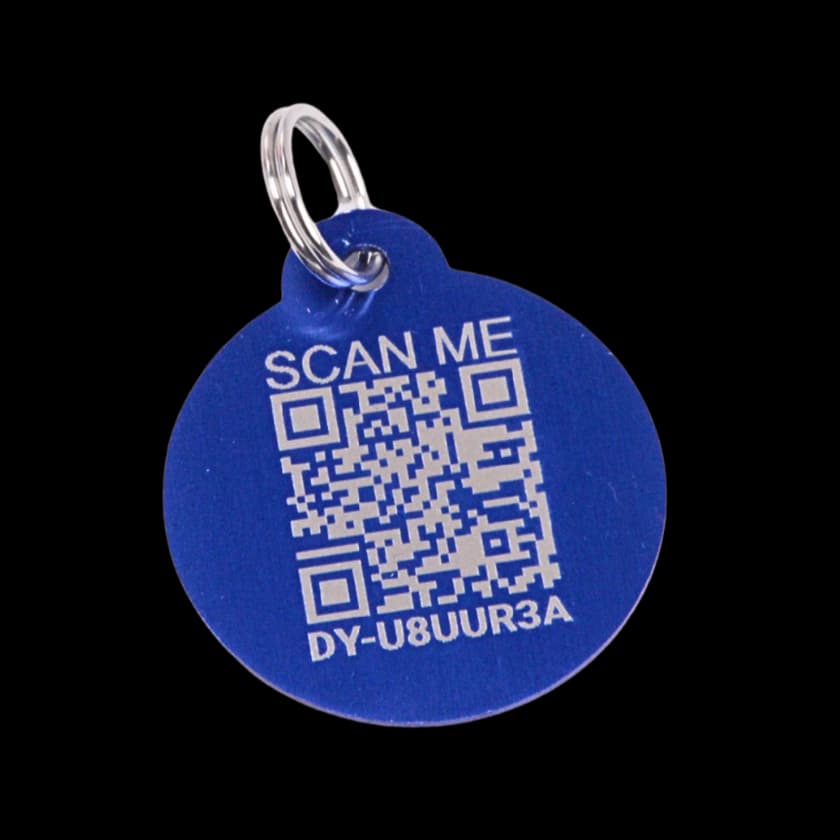
A linked Driyu tag offers public identification and available contact details. Opening it alone does not alert the owner; reporting tools require the pet or tag to be marked lost, and delivery is not guaranteed. medical records and Cloud Vault are private care tools, separate from that public page. Share the relevant documents through the method the facility accepts.
Sources and further reading
- AAHA — Veterinary care guidelines.
- International Boarding & Pet Services Association. Trade body for boarding, daycare, and grooming facility standards. ibpsa.com
- Pet Sitters International — Professional pet-care resources.
- AVMA — Pet-owner resources.