
Tornado safety for pets: a quiet plan for loud days
A tornado warning may leave very little time to reach shelter. Bring pets indoors before severe weather arrives and plan how the household will move to its safest available space.
THE DRIYU JOURNAL
Emergency & Safety
In this reading
Quick answer: Identify a suitable shelter before storm season and keep pet supplies there. Bring animals indoors early, practise calm carrier entry and use more than one official warning source. During a warning, shelter immediately; do not go outside searching for a pet.
A note about travel requirements
Travel and health-certificate requirements can change by destination, airline, state, and country. Always confirm current requirements with your veterinarian, airline, destination authority, and official government sources before travel.
Why tornados are different from hurricanes
Tornadoes can develop quickly, including during larger storms. Prepare the shelter before a warning rather than depending on time to pack.
Pet planning for tornados is therefore pre-positioned, not just rehearsed.
Safe-room setup
- Use a designated storm shelter or basement where available; otherwise follow local guidance for a small interior room on the lowest floor of a sturdy building, away from windows. Mobile homes are not safe tornado shelters.
- Pre-stage carrier or kennel sized for each pet.
- Pre-stage leashes for dogs.
- Store drinking water and other essential supplies in line with local emergency guidance, plus a flashlight and battery-powered weather radio.
- Pre-stage a small first-aid kit and any urgent medications.
- Pre-stage vaccine records in a sealed bag.
- Add a comfort item for each pet — familiar blanket, favorite toy.
Training a safe-room cue
Practise moving toward the shelter in calm conditions using rewards appropriate for your pet. Do not rely on a pet’s behavior to predict a storm or on training to work under every emergency condition.
Cats benefit from a familiar carrier that opens easily and waits in the safe room.
When a warning is issued
- Go to shelter immediately; take pets already within safe reach, without delaying people’s sheltering.
- Crate or leash for safety in case of debris
- Keep ID-tagged collars on indoor and outdoor pets
- Keep a phone charged with photos of each pet
- Stay away from windows and protect your head and neck according to official shelter guidance.
After the event
Wait for official guidance before leaving shelter. Keep pets secured while you check for debris, broken fences, downed power lines and other hazards; do not let them roam through damaged areas.
Document damage only when it is safe. Keep pets away from debris and never position them in a damaged area for a photograph.
How Driyu fits
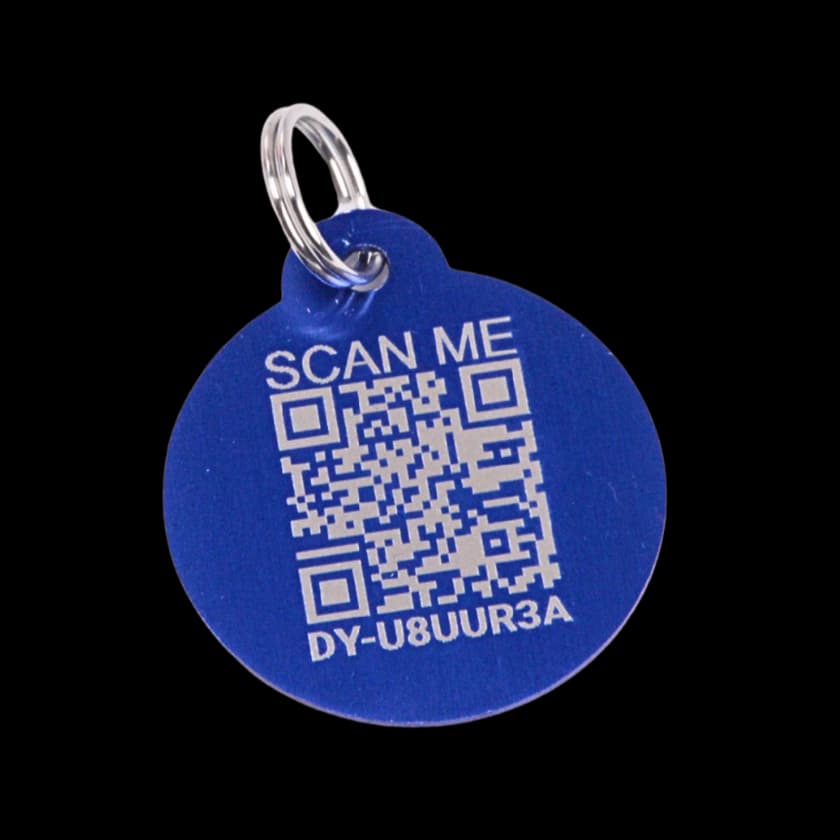
An activated Driyu tag can help a connected finder open your pet’s public recovery page and use the contacts you make visible. medical records and Cloud Vault documents remain private. Keep printed or locally saved emergency information too; a QR page is not a GPS tracker or an offline emergency service.
Related reads from Driyu
- Hurricane and storm preparation for pet owners
- Pet evacuation: a calm plan for wildfires, hurricanes, and floods
- Pet emergency go-bag: what to pack before you need it
Sources and further reading
- Ready.gov — Tornados
- FEMA — Animals in disasters
- National Weather Service — What to do during a tornado
- ASPCA — Disaster preparedness
Frequently asked questions
Is a bathtub a safe spot for pets?
The safest available location depends on the building. Follow official guidance for a storm shelter, basement or suitable lowest-floor interior space; a bathtub itself does not make a room safe.
What if my pet refuses to leave their hiding spot?
Plan and practise before severe weather. During a warning, take a pet only if you can do so safely and immediately; do not expose yourself to danger or delay sheltering to search.
Should I rely on a tornado siren?
No. NOAA Weather Radio with battery backup and a phone alert system are the standard layered approach. Sirens are area-wide and not always heard indoors.
What about outdoor cats in tornado country?
Bring cats indoors well before severe weather and keep them secured after the storm while hazards are assessed.