
New kitten: first 30 days of health, ID, and records
A first-month plan helps organize your kitten’s care and records. Let the veterinarian tailor examinations, vaccines, parasite care, and identification to the kitten’s age and history.
THE DRIYU JOURNAL
Records & Paperwork
In this reading
Quick answer: Arrange a vet visit promptly, bring existing records, and agree on the next appointments. Check identification early rather than waiting until week four. Build a quiet home routine and introduce the carrier gradually; this is a planning guide, not a medical timetable.
A note about veterinary care
This article is for organization and general education only. It is not veterinary advice, diagnosis, or treatment. Always ask your veterinarian about your pet's health, medications, vaccinations, weight, symptoms, or care plan.
Keep the next appointment and care instructions together so important details are easier to follow as the kitten grows.
Week 1: first vet visit
Contact the clinic when arranging the adoption to agree on visit timing. Illness or poor feeding can need earlier care; do not wait for a routine appointment. Bring:
- Any paperwork from the breeder, shelter, or rescue.
- A stool sample only if the clinic requests it, collected and stored as instructed.
- A list of any odd behaviors you have noticed (sneezing, lethargy, runny eyes).
- Questions about food brand, schedule, and litter type.
The vet covers physical exam, weight, parasites, and starts the vaccine schedule if the kitten is the right age. This visit also catches medical issues early — respiratory infections, ear mites, and congenital issues are easier to address young.
Vaccines: an individual schedule
Ask the veterinarian to review age, prior doses, health, local requirements, and product instructions:
- FVRCP protects against feline panleukopenia, herpesvirus, and calicivirus. Kittens usually need a series rather than one injection.
- Rabies vaccination follows the product, veterinary advice, and applicable local requirements.
- FeLV vaccination is considered core for cats younger than one year in AAHA/AAFP guidance, not only kittens that go outdoors. Discuss testing and the initial series with your veterinarian.
Obtain the actual next-dose dates from the clinic. Do not substitute an online schedule for the kitten’s prescribed plan.
ID and microchip
Ask whether the kitten is already microchipped and have the number checked. Discuss appropriate implantation timing if needed, and promptly confirm the registry enrollment and contacts. Driyu and the registry are separate. See chip versus registration.
Breakaway collar introduction
If a collar is suitable for the kitten’s size and development:
- Choose an appropriately sized cat breakaway collar and follow its fitting instructions.
- Introduce it gradually during calm, supervised periods.
- Recheck fit frequently as the kitten grows and ensure the release works as intended.
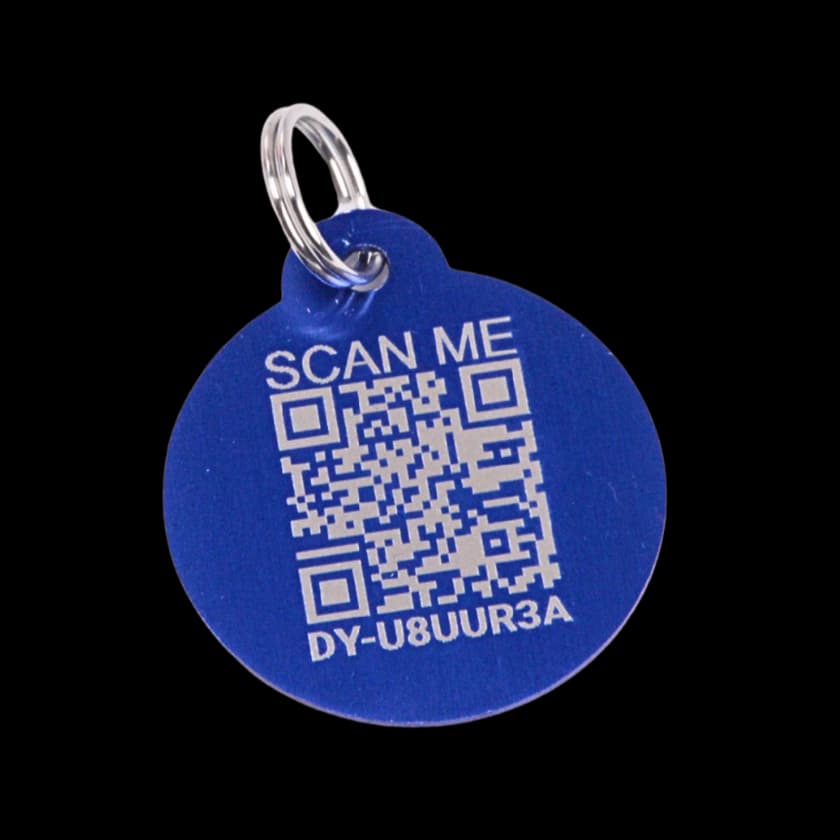
- Choose a suitable tag that does not interfere with the safety release.
- Remove it safely and seek advice if there is distress, rubbing, or a trapping hazard.
Records to start now
A small folder — physical or digital — that grows with the cat:
- Vaccine summary printout from each vet visit.
- Rabies certificate (signed original) once given.
- Weight log.
- Microchip number, registry contact, and enrollment confirmation. Keep passwords in a password manager, not the pet profile.
- Spay/neuter certificate when done.
- Flea/tick/deworming product names and dates.
- A recent photo, updated when the kitten’s appearance changes.
Socialization (and what counts as exposure)
The feline socialization window is roughly 2-7 weeks. Most kittens come home after that window has partially closed, but careful gentle handling, exposure to household sounds, and supervised meetings with calm visitors during the first weeks still help. Talk with your vet about the right balance between socialization and protection during the vaccine series.
How Driyu can help
The Free profile supports identification and public contact options. Structured medical records and document storage in Cloud Vault have limited Free capacity; Pro expands it. Enter records from the clinic manually and retain signed originals where required. There is no automatic clinic import or general vaccine-file link field on the Free profile.
Sources and further reading
- AAHA — Feline vaccination guidelines. Practice-standard schedule for kittens. aaha.org
- WSAVA — Vaccination guidelines. Global guidance on cat vaccine schedules. wsava.org
- AAFP / Cat Friendly. Owner-facing resources on kitten care. catfriendly.com
- Cornell Feline Health Center. Kitten care and feline health resources. vet.cornell.edu