
The dog walker handoff: what to leave for someone walking your dog
Give your dog walker a clear written brief: familiar cues, equipment, known reactions and who to call. Agree which details belong in a private handoff and which can appear on the public pet profile.
THE DRIYU JOURNAL
Emergency & Safety
In this reading
Quick answer: share cue words, equipment, leash rules, known triggers, contacts and the agreed plan if something goes wrong. Keep household access details private. A public tag link, a Family Sync invitation and an emergency contact serve different purposes.
Why a written handoff matters
A walker may care for several dogs. Written cue words and agreed routines give them something to check instead of relying on memory. Show the equipment and confirm the instructions together.
Eight fields a walker reads first
- Cue words: the phrases your dog actually responds to.
- Equipment: show the walker the agreed harness, collar and leash, including how they fit and fasten.
- Leash rules: identify any specifically authorized, suitable fenced area and follow local requirements; recall is never a guarantee.
- Known triggers: other dogs, joggers, bikes, kids on scooters. How you handle them today.
- Greetings: agree whether any interaction is appropriate; permission alone does not establish safety.
- Gear location: share where to find the leash, bags and towel in the private handoff.
- If something goes wrong: agree who to call if the dog escapes or becomes unwell; include the veterinarian’s instructions.
- Contacts: you, a backup contact, your vet, and the closest emergency vet.
Small but important
- Agree safe routes before the first walks.
- Do not introduce new people, new dogs, or new commands on a first visit.
- Use only agreed rewards appropriate to the dog’s diet and veterinary instructions.
- Wipe paws on return. Note any limping, eye discharge, or unusual behavior.
After the walk
Ask for a brief report of observations and completed tasks. New limping, illness or other concerning changes need prompt communication, not simply logging until a pattern appears.
How Driyu fits
Use Family Sync for caregiver access when available on your account. View Only is for reading pet information; Guardian can edit pet information and toggle lost mode. Medical Records has limited Free capacity; Pro expands it. Access also depends on your role and account availability. Adding an emergency contact is a separate step and does not invite someone into your account.
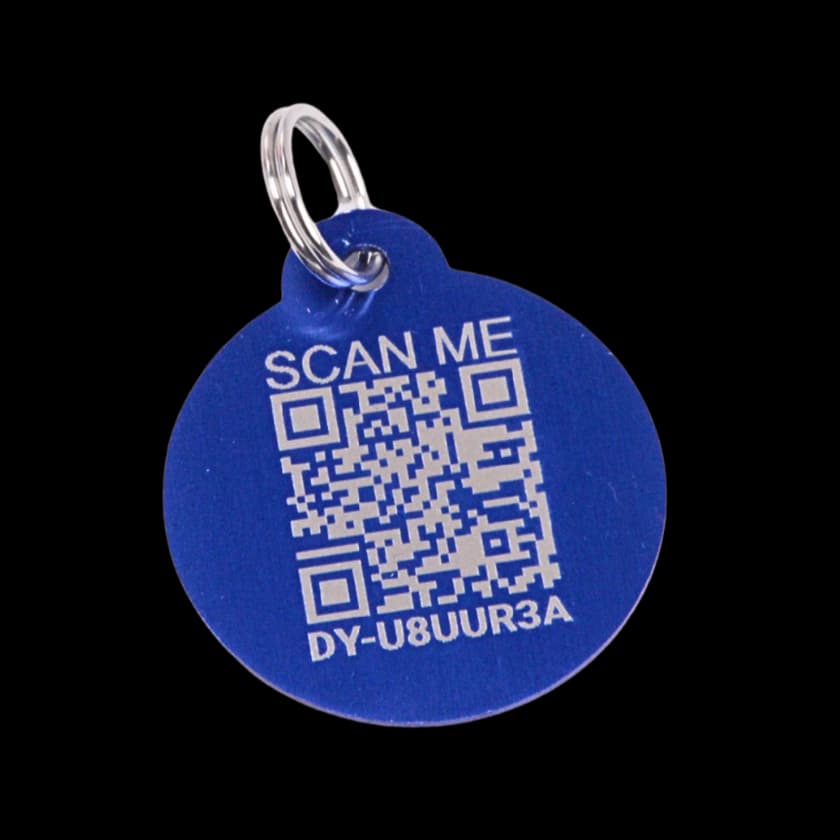
The public tag page is not a private sitter notebook. Saved temperament and behavior notes can appear publicly. Share door codes, household hiding places and travel plans directly and privately with the caregiver; keep them out of public notes and photos. Review the public profile boundary.
Related reads from Driyu
- The pet sitter handoff: what to leave with whoever watches your pet
- Dog crate training records: what to share with a sitter or boarder
- Dog recall training basics — and why ID still matters
Sources and further reading
- CCPDT — Certified Professional Dog Trainer directory
- Pet Sitters International — Professional pet care standards
- AKC — dog care and training resources
Frequently asked questions
Can a walker take my dog off-leash?
Not unless you have explicitly authorized it for a specific fenced location. Even a strong recall can fail in a new environment with new distractions.
Should the walker carry treats?
A small pouch of your dog’s known treats is helpful for reinforcement. New treats should wait for after-walk approval from you.
How do I know if a walker is qualified?
Ask about experience with your dog’s needs, references, insurance and a meeting before the first walk. A directory listing or association membership alone does not establish that a person is the right fit.
What if my dog has reactivity?
Reactive dogs need walkers experienced with management — specific routes, careful timing, and calm handling. Be explicit; do not hope it works out.