
Cat acclimation after a move: a slow, sane checklist
Prepare a secure, comfortable space and current identification before a move. Gradual access can help a cat adjust, but timing varies and identification does not prevent an escape.
THE DRIYU JOURNAL
Health & Daily Care
In this reading
Quick answer: prepare a safe quiet room with suitable resources, secure doors and windows, and let the cat explore at a comfortable pace. Update microchip registry contacts separately from Driyu’s account contact and location settings.
A note about veterinary care
This article is for organization and general education only. It is not veterinary advice, diagnosis, or treatment. Always ask your veterinarian about your pet's health, medications, vaccinations, weight, symptoms, or care plan.
Why slow beats fast
A suitable quiet starting space can provide a retreat while the home changes. Check ventilation, hazards and access to separate essential resources.
Watch the individual response and ask for advice if the cat seems unwell; do not assume a problem is only moving stress.
Prepare the starting space
- Pick a small, quiet room — bedroom, bathroom with door, a guest room.
- Set up: litter box, food and water, familiar bedding, scratching post, hiding spot.
- Open the carrier only in the secured room and allow voluntary exit. Do not pull the cat out.
- Check welfare and offer calm contact according to the cat’s needs.
- Do not let the cat run the house yet.
Expanding the territory
Expand access gradually when appropriate for the cat and the secured home, with supervision and a way to retreat. Do not treat a particular day as a requirement.
Adjustment takes different amounts of time. Seek advice for ongoing distress or health changes rather than waiting for a promised settling period.
Escape prevention in week one
- Update microchip registry with the new address and phone — before unpacking the kitchen
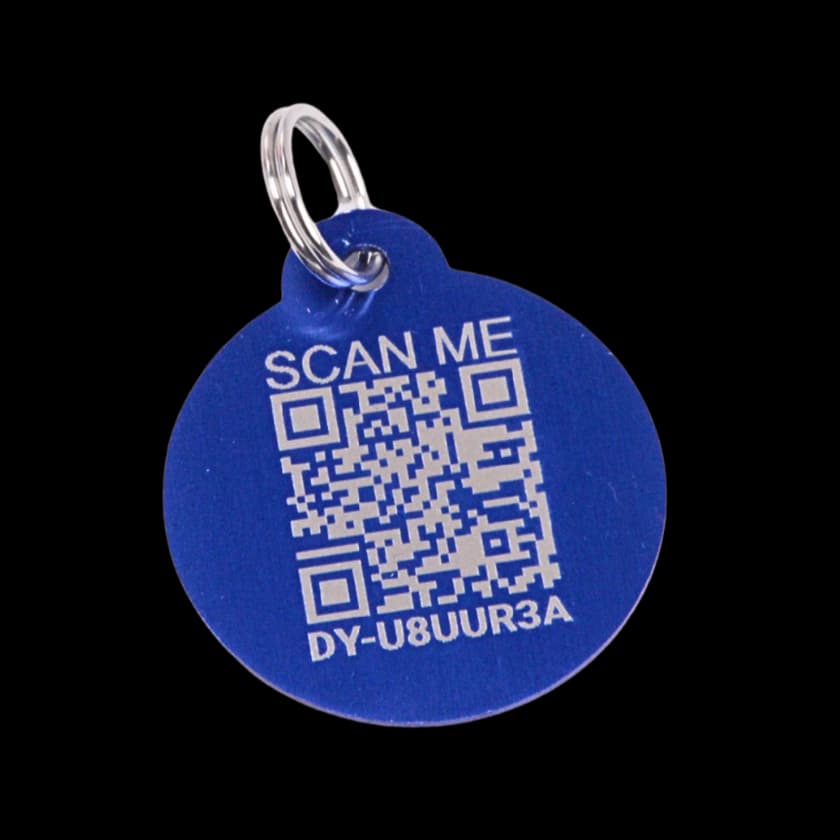
- Use appropriate, correctly fitted cat identification; discuss a suitable breakaway collar and tag.
- Door discipline: announce, look down, step in, close.
- Check window screens; many old screens lift out easily
- Avoid moving the litter location during week one
Records to update
Microchip registry (the registry is what gets you called, not the chip itself), pet profile, vet (find a new one or transfer records), city license if required by jurisdiction.
Update Driyu’s reachable contact options and city/state settings as needed. The public scan page has no owner street-address field; keep private addresses out of notes and photos.
When to call the vet
Consult promptly if eating, drinking, toileting or behavior changes worry you. Inability to urinate, straining with little or no urine or breathing difficulty needs urgent care, regardless of sex. Do not wait a fixed day or several days before asking for help.
How Driyu fits
Review Driyu’s public profile and the contact visibility settings, and update the microchip registry independently. One update does not synchronize the other or establish legal ownership.
Related reads from Driyu
- Moving with pets: how to update your pet's ID, microchip, and records
- Indoor cat escape prevention: doors, screens, and balconies
- Microchip registration vs the chip itself: what owners get wrong
Sources and further reading
- Cats Protection — moving with a cat
- AAHA — microchip registration and contact information
- Cornell — loss of appetite
Frequently asked questions
How long does cat acclimation usually take?
There is no single timetable. Follow the individual cat’s response and get advice if they remain distressed or show health changes.
Should I use a pheromone diffuser?
Ask your veterinarian whether a product is suitable and follow its directions. It is optional support, not a substitute for a secure setting or clinical assessment.
When can the cat go outside if they are indoor/outdoor?
Do not use a fixed waiting period as permission to let a cat roam. Discuss a suitable plan and local risks with your veterinarian; secure, supervised outdoor options may be appropriate.
Should I bathe the cat after the move?
A move alone is not a reason to bathe the cat. Ask for advice if the coat is contaminated or needs care, and avoid unnecessary stressful handling.