
Moving with pets: how to update your pet's ID, microchip, and records
A move brings unfamiliar surroundings and open doors. Prepare safe containment and update identification, contacts, and veterinary arrangements before the journey.
THE DRIYU JOURNAL
Health & Daily Care
In this reading
Plan for secure transport and containment, current contact details, and access to veterinary care. Driyu, the microchip registry, physical tags, and clinic records are separate records to check.
A note about privacy
Public recovery pages may show the information the owner chooses to provide or make visible. Review your settings and Driyu's current Privacy Policy for the latest details. Do not share information publicly that you are not comfortable making visible to a finder.
This checklist covers information and safety arrangements that may change during a move. Start early, especially if your route has health-document or entry requirements.
Before moving: prepare the essentials
Start before the truck arrives. Two things are worth doing in advance:
- Request records. Ask about consent, accepted format, and turnaround, and confirm the receiving clinic actually received the files.
- Pre-load the microchip registry login. Find the email confirming the original chip registration. Verify you can log in. The day you actually need to update the address, you do not want to be doing password resets.
Moving day: protect the pet from the chaos
Keep the pet in a secure, quiet, temperature-safe area with appropriate supplies and a clear do-not-open sign. Choose an experienced caregiver if moving activity makes that impractical. Use suitable identification and secure transport; check any linked tag page before leaving.
On arrival: check safety before release
Do not assume behavior in the old home predicts behavior in a new one. Inspect the new space first, provide a safe retreat, and introduce it gradually.
- Keep cats securely indoors while settling and discuss any later outdoor access with the vet. Do not treat a fixed number of days as proof the cat is ready.
- Supervise dogs outdoors with suitable, well-fitted equipment. Check fences and latches every time and never leave an attached leash unattended.
- Update the microchip registry today, not next week.
- Save the new vet’s number in your phone with a name you’ll recognize.
The update sequence
Check each system independently; completing one does not update the others:
- 1. Microchip registry. Address and (if changed) phone number. Repeat for every pet, on every registry. QR tags do not replace a microchip — they complement it — so the chip record still matters.
- 2. Driyu account and pet information. Update the appropriate owner-account contacts and pet details, then check visibility and the actual public page. See how the profile works.
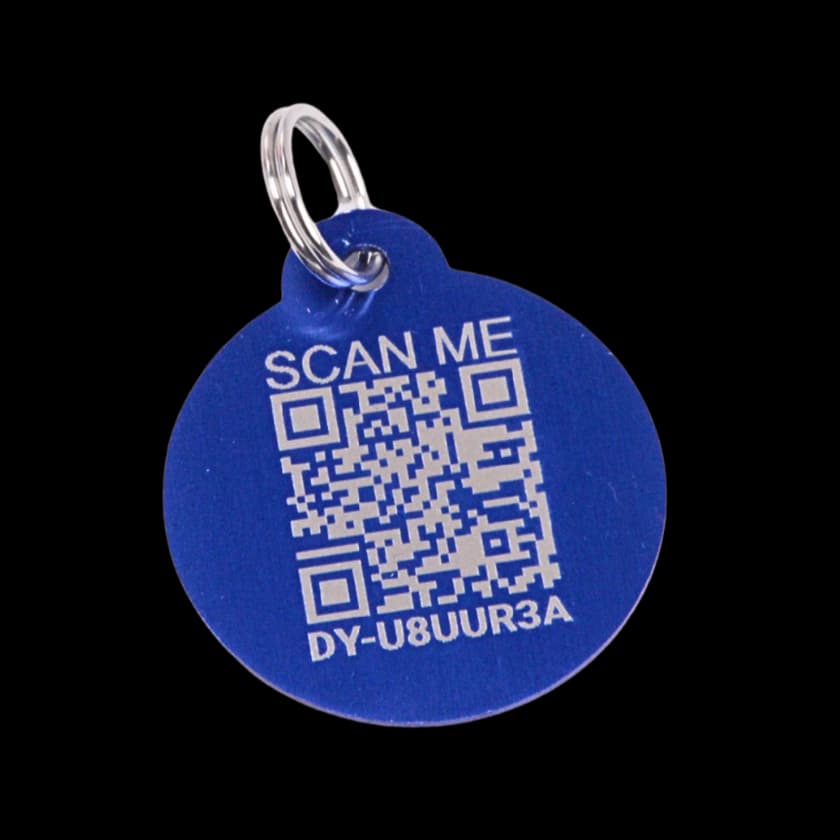
- 3. Physical ID. Replace inaccurate, damaged, or unreadable identification and check attachment and fit. A working QR tag may stay the same after online details change; verify the page.
- 4. Veterinary care. Identify routine and emergency care before arrival where possible, confirm records and hours, and plan medicine continuity with the vet.
- 5. Local requirements. Check licensing, vaccination, and entry rules with the destination authority before the move; deadlines vary.
- 6. Insurance. If you have pet insurance, update the address on file.
If the worst happens during the first weeks
The response to a missing pet is the same wherever you live — see our first-hour guide. But during the first few weeks in a new neighborhood, two things change: you do not know the streets yet, and the local shelters are different. Pull up the new local animal control, the nearest shelter, and one or two neighborhood Facebook or Nextdoor groups before you need them. Bookmark them on your phone now.
Settling in: small habits for the new home
Inspect the yard, doors, windows, and screens before the pet uses them, then recheck over time. Introduce new people at the pet’s pace. There is no fixed point after a month when escape precautions stop being needed.
A short FAQ
When do I update the registry? Keep a reachable contact available throughout the move and update changed details promptly, following the registry’s process.
Must I replace the tag? Check accuracy, wear, attachment, and fit. Online changes do not change engraved details or the separate registry.
Should I find a new vet before or after moving? Before, if possible — have the new clinic identified and records transferred before you arrive.
When do I check licensing? Before moving, so you can meet the destination’s actual deadlines.
When is the pet settled? Adjustment differs between animals. Continue secure containment and supervision, and seek help for persistent distress or illness.
Use a checklist for every pet and confirm each update. Good preparation supports the move; it does not guarantee safety or replace supervision.
Sources and further reading
- American Veterinary Medical Association — Moving with Pets. ASPCA — Moving with your pet
- ASPCA — Moving with Pets. ASPCA — Moving with your pet
- AAHA — Microchips and registry contacts.