
From foster home to forever home: helping pets carry their story forward
A foster home is more than a place to wait. It is where a pet learns to trust again — and where the small, important details of who they are can be gathered and carried forward to their forever family.
THE DRIYU JOURNAL
Driyu Story
In this reading
Foster care can give an animal a supported home while the responsible organization plans the next step. Caregivers can record useful observations and, with proper authorization, use Driyu to share care or transfer an adopted pet’s account record.
A note about veterinary care
This article is for organization and general education only. It is not veterinary advice, diagnosis, or treatment. Always ask your veterinarian about your pet's health, medications, vaccinations, weight, symptoms, or care plan.
More than a temporary place
Animals adjust at different speeds. A foster home can provide rest, routine, and observation, but fear, poor appetite, or withdrawal should be discussed with the organization and vet rather than automatically treated as normal adjustment.
That quiet transformation is the whole point. Foster families give pets a bridge — a soft, ordinary, in-between place — between the life they had and the home that is still coming.
What fostering actually means
Fostering is temporary care under an organization’s agreement. Reasons include medical recovery, young age, emergency displacement, or waiting for adoption. Confirm supplies, veterinary authorization, costs, training, and emergency contacts before accepting a placement; program support varies.
Programs offer different placements; suitability depends on training, space, household members, and the individual animal.
- Short-term foster — caring for an adoption-ready pet who just needs a place to stay until the right match comes along.
- Medical recovery foster — helping a pet heal after illness or surgery, including giving medications on a schedule until they are well.
- Puppy or kitten foster — caring for the very young, some of whom need round-the-clock feeding and gentle early socialization.
- Emergency or crisis foster — offering temporary care for animals displaced by a disaster, a hardship, or an ongoing rescue case.
- Foster-to-adopt may be available under a specific agreement. Confirm the trial, return, and adoption process with the organization.
Why foster families matter so much
The math is simple and the impact is not. A pet in a foster home is not occupying a kennel, which frees that space for another animal who needs it. Foster homes let shelters care for more pets than their walls allow, and they protect the most vulnerable — newborn kittens, nursing mothers, animals recovering from surgery, and long-stay pets who quietly fade in a kennel.
Foster programs can expand an organization’s capacity and provide observations that help match pets with adopters. Benefits depend on appropriate support and the individual placement.
What a foster learns about a pet
Record what you observe in that environment, with dates and context. It is useful information, not proof that the pet will behave identically in another home. Include:
- Routines — when they like to eat, walk, rest, and wind down for the night.
- Personality — the quirks, the favorite snuggle spots, what makes them light up.
- Behavior — how they are with other animals, with children, with strangers at the door.
- Feeding preferences — what they eat happily, what upsets their stomach, how much.
- Health notes — medications, recovery progress, and the small things a vet should know.
- What helps them feel safe — a crate, a certain blanket, a slow approach, a quiet room.
- Photos and moments — the pictures that show a pet at ease and help them get noticed.
Use the organization’s approved records and handoff process so important observations are not left only in memory.
Why that information matters at adoption
A familiar care routine and accurate instructions can help the adopter prepare. Adjustment still varies; report health or behavior concerns and follow the organization’s and vet’s advice.
That is where a foster’s knowledge becomes a gift. The observations that helped a rescue match a pet to the right family are the same observations that help that family settle the pet in. A clean handoff is not paperwork for its own sake; it is kindness, translated into details.
How Driyu helps keep a pet’s story organized
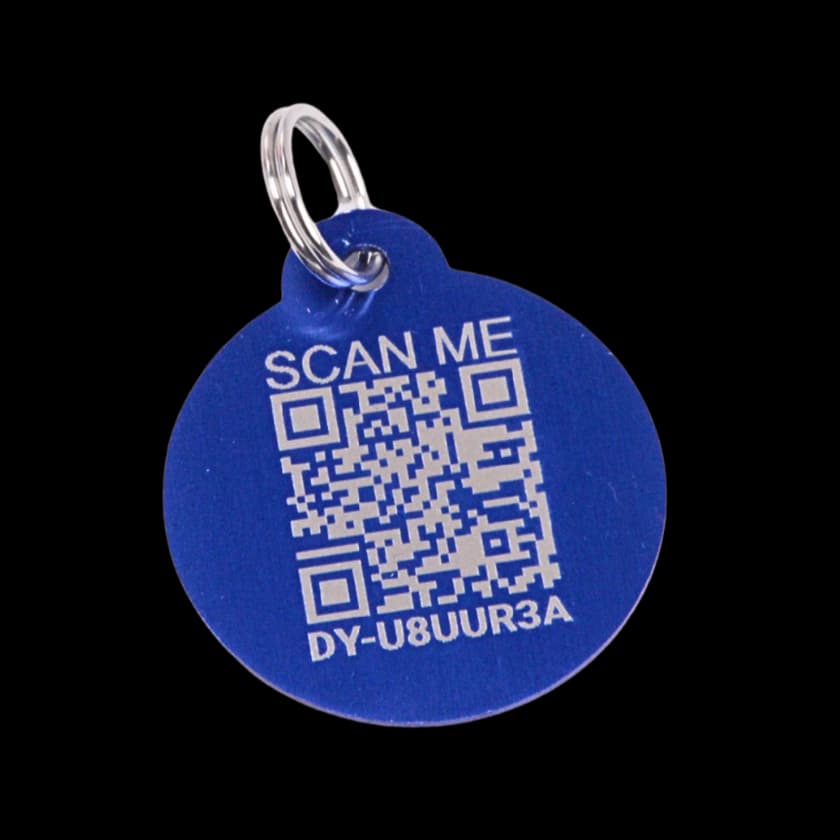
With the responsible owner’s authorization, Driyu can organize identity and care information. Keep confidential notes in private care tools, not public behavior fields. A linked QR tag can offer contacts through a browser with internet; Lost Mode enables the report form.
To be clear about the boundaries: Driyu does not replace a shelter or rescue’s own records, veterinary care, an adoption contract, or legal ownership paperwork. It is a place to keep a pet’s practical story tidy — and, when the time comes, a way to hand that story to the next person who loves them.
From foster home to forever home: Pet Ownership Transfer
When a foster pet is adopted, the goal is simple: the new owner should not have to start from zero. Driyu’s Pet Ownership Transfer is built for exactly this moment — a real ownership change, when a pet moves to a new owner for good.
A completed transfer permanently moves the pet’s profile, medical records and linked Smart Tag to the new owner’s Driyu account. Sending a request is not enough: the intended recipient must review and accept it from the appropriate account with a confirmed email. The recipient sees the full profile only after acceptance. Use Family Sync for a sitter or foster helper who only needs shared access.
What stays private during a transfer
A handoff should never mean handing over your personal life. A Driyu transfer moves the pet and its profile — not the previous owner’s account. The following stay with the previous owner and do not transfer:
- Their Driyu account and login.
- Their personal profile and private contact information.
- Their emergency contacts.
- Custom reminders. The new owner should review care dates and create their own reminders.
- Pet-care expenses, payment details, and subscription information.
- Family members and shared access they set up.
- Their own scan history, sightings, and recovery cards.
Because those private items do not carry over, a good first step for a new adopter is to add their own emergency contacts, reminders, and recovery details — making the profile truly theirs. (If a rescue only needs a volunteer to help during care, rather than to take ownership, Family Sync keeps the pet with the rescue while a helper views or manages the profile.)
A thank-you to the people in the middle
To the foster families who give up a couch and a full night’s sleep; to the shelters and rescues who carry the weight every single day; to the adopters who open the final door — thank you. You are each part of the same rescue story. Fostering is loving a pet well, and then loving them enough to let them go home.
The handoff is part of the love. And anything that helps a pet’s story travel safely from one set of caring hands to the next is worth doing gently and doing right.
Related reads from Driyu
- Pet Ownership Transfer: how to move a pet to a new owner
- Adopting from a shelter: the paperwork checklist
- Adopting an older or shelter pet: decompression, paperwork, and identity reset for the first week
Sources and further reading
- ASPCA — What does it mean to be an animal foster caregiver?
- ASPCA — The different types of animal foster caregivers
- Best Friends Animal Society — Pet foster homes increase adoptions and save more lives
- Best Friends Animal Society — Pet fostering FAQs
Frequently asked questions
What does it mean to foster a pet?
It is temporary care under an organization’s agreement. Confirm the animal’s needs, expected support, expenses, and veterinary arrangements before starting.
How does fostering help shelters and rescues?
A pet in a foster home is not occupying a kennel, which frees that space for another animal and helps ease overcrowding. Foster homes also let staff and volunteers stretch limited time and resources further, and they protect vulnerable animals like very young kittens and puppies who need round-the-clock care.
Can Driyu move a pet’s profile to its new owner after adoption?
Yes. After the recipient accepts, the pet’s profile, records and linked tag move to their account, and the pet no longer appears in the previous owner’s account. Records created with Pro are preserved with the pet, but some records or tools may require the recipient to have Pro to view or manage them. The prior owner’s subscription does not transfer. Review the app’s disclosure before accepting.
What stays private when a pet is transferred in Driyu?
The previous owner’s Driyu account and login, their personal profile and private contact details, their emergency contacts, reminders, pet-care expenses, payment and subscription information, any family or shared access they set up, and their own scan history stay with them. They do not transfer to the new owner.