
Your pet is home: what to do in the first 24 hours after recovery
What to do in the first 24 hours after a lost pet comes home — settling in, the vet visit, updating records, and small steps to reduce the chance of another scare.
THE DRIYU JOURNAL
Lost Pet Recovery
In this reading
Once your pet is safely back, check for urgent problems, contact the vet for advice, secure the escape route, and update the people and records involved in the search. The timing of care depends on what happened and how the pet is doing.
A note about veterinary care
This article is for organization and general education only. It is not veterinary advice, diagnosis, or treatment. Always ask your veterinarian about your pet's health, medications, vaccinations, weight, symptoms, or care plan.
A note about lost-pet recovery
No tool can guarantee a lost pet will be found. Driyu can help organize information and make contact easier when someone scans or reports a found pet, but recovery also depends on the situation, the finder, local shelters, microchip registration, and your search actions.
Give the pet a quiet, secure place and avoid assuming that looking normal rules out injury or exposure.
First: check safety and comfort
- If alert and swallowing normally, make water available without forcing it. Ask the vet about feeding, especially after prolonged absence, injury, vomiting, or marked weight loss; do not give a large catch-up meal.
- Offer a comfortable familiar resting place without forcing handling or confinement that causes distress.
- Keep visitors light. The neighbors who helped will understand if introductions wait until tomorrow.
- Look for visible injuries or behavior changes from a safe position. A painful animal can bite; do not force an examination. Report concerns promptly.
Contact the vet for the right timing
Call the vet promptly and explain the absence, possible exposures, and current signs. The clinic can advise whether immediate care or a scheduled examination is appropriate. Breathing difficulty, collapse, severe weakness, significant bleeding, inability to urinate, suspected poisoning, or serious trauma need urgent care; do not wait until morning or a fixed 24–48-hour window.
Update the records and the people
While your pet rests, take 15 minutes to close the loop on the search infrastructure you activated:
- Mark the pet safe in Driyu and check the lost state of its tags too. The public page remains in Lost Mode if the pet or the particular tag is still marked lost.
- Call back any shelters or animal control offices that filed a missing report. They keep records and want to know the pet is home.
- Update online notices and remove flyers promptly, following local posting rules.
- Update social posts with a brief thank-you and a photo. People who shared want to know how it ended.
- Confirm microchip registration is current — many owners realize during a lost-pet event that their info was outdated. Now is the moment to fix it.
Address the exit point
Secure the escape route before the pet can use it again. Inspect doors, screens, fences, and latches and agree on safer household routines. Arrange temporary secure supervision until repairs are complete.
Watch for signs over the next week
Follow the vet’s monitoring instructions for appetite, drinking, urination, stools, mobility, and behavior. Contact the clinic about new or worsening changes rather than waiting a week or two; fear, unusual sleepiness, or reluctance to move can also reflect pain or illness.
How a Driyu profile fits in
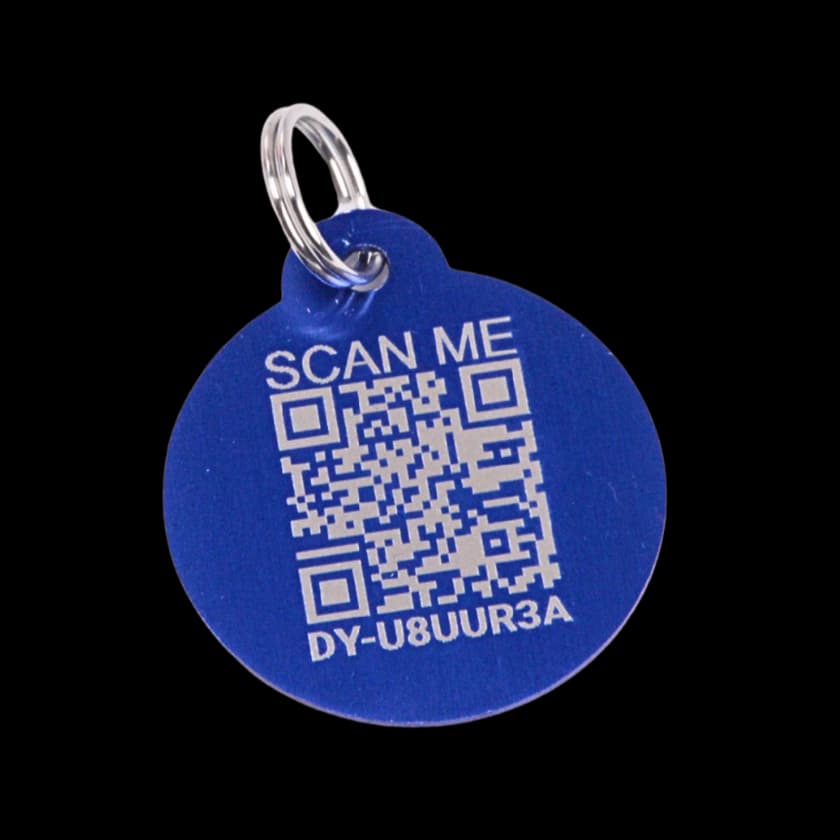
After marking the pet safe, reopen each relevant tag page and confirm the displayed state. Review owner-account contacts and public pet details separately; the five contact settings do not hide every field. Keep private medical updates in the appropriate private care tools rather than public behavior notes.
A short FAQ
Does my pet need a vet immediately? Call promptly with the facts and follow the clinical advice. Serious symptoms, injury, or possible poisoning require emergency assessment without a routine waiting period.
What if the pet seems normal? Ask the vet about any needed check, secure the home, update reports and lost status, and monitor as advised.
How do I keep this from happening again? Identify the exit point and address it. Confirm your ID tag and microchip registration are current. Fix any stale phone numbers or emergency contacts surfaced during the search.
Should I thank everyone who helped? A short message to the people who shared posts is meaningful and keeps the community goodwill that helped you. A photo of the pet safely home is usually all anyone needs.
What if behavior has changed? Tell the vet about changes and their timing. Do not label them bad behavior or automatically assume stress; medical causes may need assessment.
Recovery continues after the reunion. Follow the care plan, maintain secure routines, and keep identification and contacts current.
Sources and further reading
- ASPCA — Finding a Lost Pet. Post-recovery guidance and general pet care. aspca.org
- American Veterinary Medical Association — Pet Owner Resources. Veterinary professional body with general care references. avma.org
- Humane World for Animals. General lost-pet and post-recovery guidance. humaneworld.org