
Cat medication routine handoff template
A written medication handoff gives the sitter a reference and a place to note questions. Check it against the current veterinary instructions before care begins.
THE DRIYU JOURNAL
Records & Paperwork
In this reading
Quick answer: copy the prescribed medication details accurately, leave clinic contacts and agree how to record completed care. This is a handoff checklist, not a prescription or a dosing calculator.
A note about veterinary care
This article is for organization and general education only. It is not veterinary advice, diagnosis, or treatment. Always ask your veterinarian about your pet's health, medications, vaccinations, weight, symptoms, or care plan.
The template
- Medication name (as on bottle)
- Strength
- Dose
- Prescribed route of administration, recorded separately from the dosage form
- Frequency
- Timing (with food, before food, bedtime)
- Administration method and food instructions confirmed by the veterinarian; avoid improvised substitutes.
- Written plan for a missed, refused or vomited dose, with the clinic’s contact.
- Prescribing veterinarian and contact details
- Refill timing and storage instructions agreed with the clinic
Write clear instructions
Use clear wording while preserving the prescribed amount, units, route and timing. Have the clinic clarify abbreviations; do not turn example numbers into instructions for your pet.
Review the method with the veterinary team
Ask the veterinary team to demonstrate the prescribed method and resolve questions before the stay. Practice must not add an extra dose.
How Driyu fits
Driyu’s Medical Records example shows saved medication information. A saved list is not proof that a dose was given. Agree separately how the sitter will record and report completed care.
Use Family Sync for caregiver access when available on your account. View Only permits reading; Guardian permits editing pet information and lost mode, with medical access also subject to the account’s plan limits. An emergency contact is not a Family Sync invitation. Check access before the stay and review or remove membership afterward; do not assume it expires with your trip.
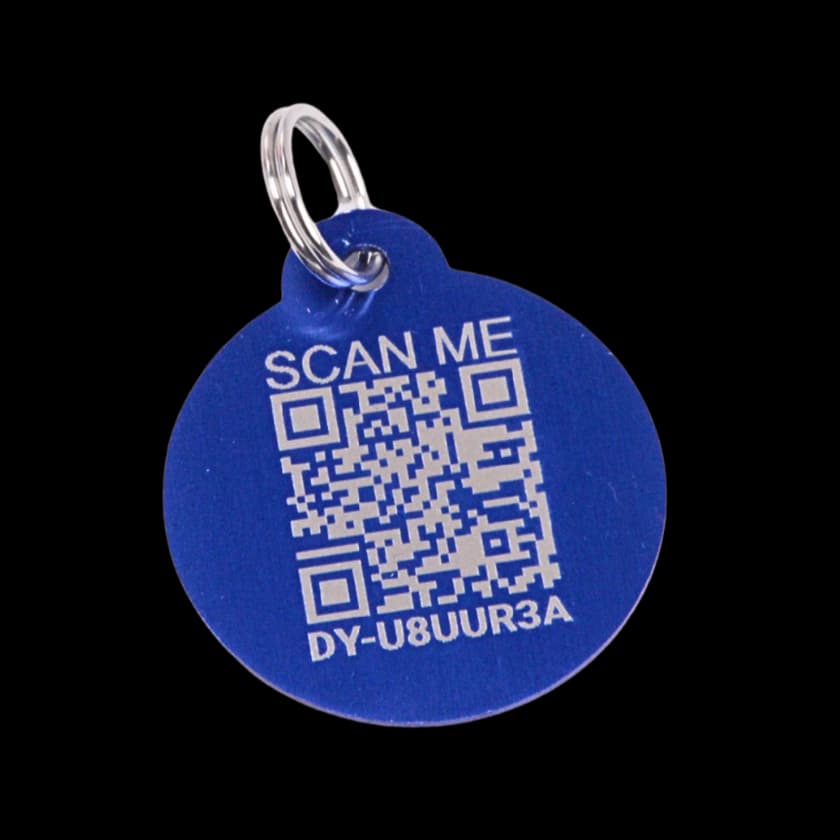
The public tag link does not provide the full private medication record. Check the caregiver’s actual account access and provide a private copy of the current veterinary instructions.
Related reads from Driyu
- Senior cat medication routine: a calm caregiver checklist
- Pet medication tracking and reminders: a practical routine
- Starting a new pet medication: how to update records cleanly
Sources and further reading
Frequently asked questions
What if the sitter misses a dose?
Follow the prescribing veterinarian’s instructions for that medicine; if unclear, call before deciding what to give next. See FDA questions about missed doses.
Can the sitter give injections?
Arrange veterinary instruction for any technique the sitter has not been trained to perform.
Should I send extra medication?
Confirm supplies and a delay plan with the clinic. Keep medicines in their original labeled containers; see FDA medication-error guidance.
What about side effects?
Record the veterinarian’s specific warning signs and response instructions. Do not invent a safe waiting period for drowsiness or other changes.