
Vet visit prep: the questions worth writing down before the visit
A short written list helps you bring the important questions to a vet appointment. Put the main concern first and keep the current treatment details alongside it.
THE DRIYU JOURNAL
Health & Daily Care
In this reading
Quick answer: Write down: the top symptom or change you want addressed, two or three follow-up questions you would otherwise forget, current medications and supplements, recent diet changes, and any prior vet notes you want to discuss. Bring photos or short videos if useful.
A note about veterinary care
This article is for organization and general education only. It is not veterinary advice, diagnosis, or treatment. Always ask your veterinarian about your pet's health, medications, vaccinations, weight, symptoms, or care plan.
Why paper helps
A consultation can cover a lot quickly. Share your priorities at the start and ask what can be covered today or needs a follow-up.
It also helps the vet — specific questions narrow the conversation faster than generic concern.
A useful five-question list
- The primary concern: the specific symptom or change that brought you in today.
- The two or three follow-ups: questions the primary concern raises.
- The diet and medications: what is current, what changed, what you wonder about.
- The records to discuss: the labs from last visit, the home log, anything sent over by another vet.
- The next step: what is the recommended timeline for follow-up?
Photos and videos
A short video or clear photo may help explain a symptom that is not present at the appointment. Only record when it is safe; never delay emergency care or provoke a symptom to capture it.
Ask the clinic how it accepts files and whether the vet can review them before the visit.
Medications and supplements
Bring or photograph every bottle the pet is taking, including supplements, joint chews, dental treats, and over-the-counter products. Interactions matter and some supplements are not as benign as they appear.
If you want a second opinion
Most vets welcome the question, “what would a specialist add here?” Many primary-care visits include a referral when warranted. Asking calmly preserves the relationship.
How Driyu fits
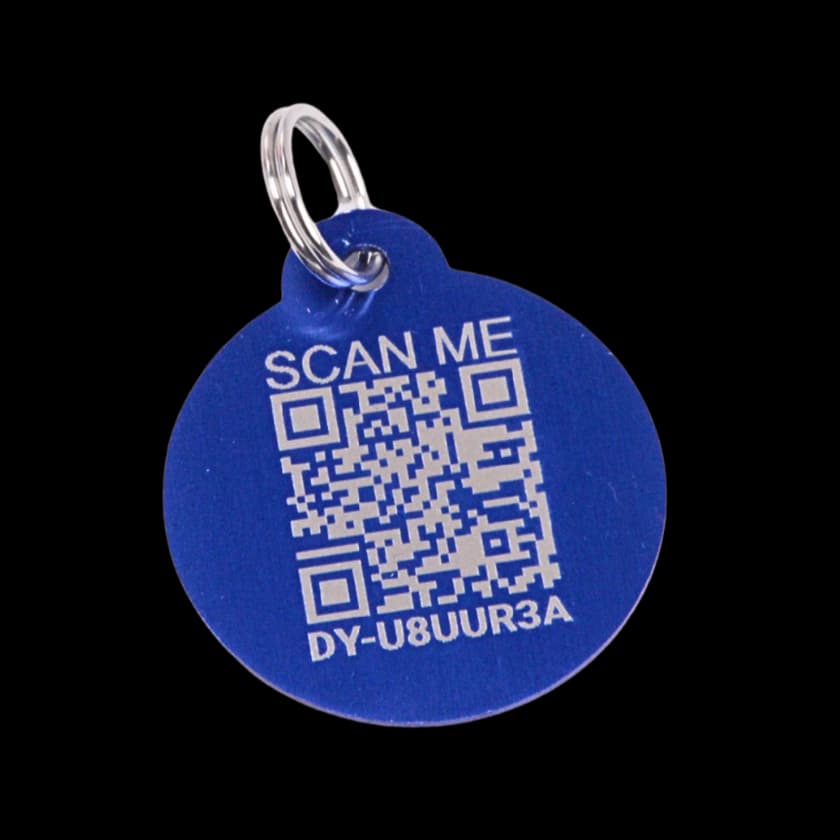
Medication records and uploaded documents have limited Free capacity; Pro expands it and adds tools such as health observations. Check your account for availability. Prepare your question list separately or keep a document in Cloud Vault. Show the relevant records to the vet; the public QR page is not the full medical file.
Related reads from Driyu
- How to update pet records after every vet appointment
- How to organize veterinary appointment reminders
- Starting a new pet medication: how to update records cleanly
Sources and further reading
- FDA — Questions about your pet’s medicines
- AVMA — Visiting the veterinarian
- Fear Free Pets — Vet visit preparation
Frequently asked questions
Is it rude to bring a list?
No. Most vets prefer it. A list keeps the conversation efficient.
Should I record the visit?
Ask the clinician and anyone else present before recording, and follow the clinic’s rules. Request written instructions so treatment details do not depend on memory.
What if I forget to ask something?
Contact the clinic through its stated follow-up channel. Ask which questions need another appointment and how urgent concerns should be handled.
How do I prepare for an emergency vet visit?
Call the emergency clinic and follow its instructions. Bring medication details, recent records and a brief timeline if readily available, but do not delay urgent care to complete the paperwork.