
Fireworks and holidays: preventing pet escapes on high-risk days
Fireworks can frighten pets and increase the risk of escape. Prepare identification, secure spaces, and any veterinary support before noisy celebrations.
THE DRIYU JOURNAL
Emergency & Safety
In this reading
Plan ahead for loud events: check doors and fencing, keep current identification, provide a comfortable indoor retreat, and discuss severe fear with the vet early. These steps reduce avoidable risks but do not guarantee a calm night.
A note about lost-pet recovery
No tool can guarantee a lost pet will be found. Driyu can help organize information and make contact easier when someone scans or reports a found pet, but recovery also depends on the situation, the finder, local shelters, microchip registration, and your search actions.
Even a pet that usually stays close may panic around sudden noise. This guide covers preparation, the event itself, and what to do if the pet gets out.
Why pets escape on fireworks nights
Loud, unpredictable sounds and flashes can trigger fear. Do not rely on training alone to contain a frightened animal. Use physical security and a plan suited to the pet; persistent noise fear deserves veterinary assessment.
Before the event: prepare early
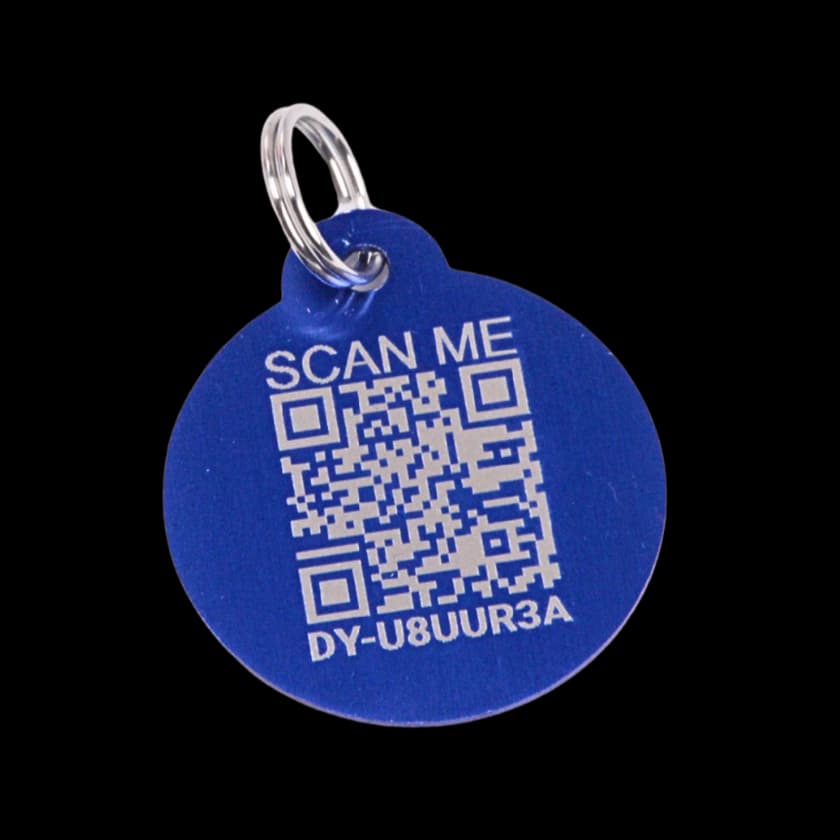
- Confirm ID is current. Tag is legible, microchip registry shows current phone and address. Our microchip + QR tag layered ID guide explains the full picture. QR tags do not replace a microchip — they complement it.
- Update photos on the profile. A current photo matters most when sharing flyers later.
- Discuss known noise fear with the vet well ahead of the event, allowing time for an individual plan and any prescribed trial. Never use someone else’s medicine or change a dose yourself.
- Offer a familiar, quiet, temperature-safe retreat with water and appropriate bedding. Remove hazards and allow comfortable access; do not force a panicking pet into an unfamiliar crate.
- Walk the yard and fence line. Look for gaps, weak gate latches, and bushes a pet could slip through.
The day of: practical setup
- Plan exercise and toileting for quieter times, suited to the pet’s health and the weather. Supervise necessary outings with secure equipment.
- Keep feeding and medication consistent with the pet’s plan. Do not change meal timing to sedate or calm the pet without advice.
- Close curtains and windows. Removes flashes and dampens sound.
- Play steady background sound. White noise, a fan, calm music, or TV. Steady is more important than loud.
- Offer calm company if it helps, without forcing interaction or punishing fear. Arrange a capable caregiver if you cannot be there.
- Check suitable ID and fit. Cats need a safe quick-release collar if wearing one; confirm the tag is appropriate and does not compromise it.
- Brief everyone in the household. One person is in charge of the front door each time it opens.
Special cases: cats, senior pets, new pets
A few groups deserve extra care:
- Indoor cats. Secure doors and cat flaps and do not rely on an ordinary screen as containment. See the indoor-cat search guide.
- Senior pets. New or worsening anxiety can have health-related contributors. Ask the vet and provide accessible comfort. See senior care organization.
- New pets. You may not know their response to noise yet. Use gradual familiarization and secure containment without assuming a fixed adjustment period.
Other loud events
Use the same planning for local celebrations, sports displays, construction noise, or thunderstorms when relevant. Follow weather safety guidance as well as the pet’s fear-management plan.
If your pet still escapes
Act promptly and search safely. Do not chase, enter traffic, or crawl into hazardous hiding places. Record sightings, contact local animal services and shelters, and share an accurate notice. Check actual shelter hours rather than assuming holiday intake. See the first-hour guide.
A short FAQ
Why do so many pets get lost around fireworks? Sudden loud sounds trigger a flight response. A panicked pet runs in any direction.
Should I bring my pet to the fireworks display? No. Even calm pets are unpredictable in crowds with loud noise.
What about sedatives or anxiety medication? Talk to your vet ahead of the holiday, not the day-of.
Do I need a national ranking to prepare? No. Local noise events and your pet’s response are enough reason to review security and contacts.
What should I do if my pet escapes during fireworks? Act fast. Start the search nearby, check hiding spots, call shelters and post on neighborhood platforms.
Prepare early, check the environment, and follow the individual care plan. If the pet escapes, current identification and a prompt, safe response provide useful routes to help.
Sources and further reading
- American Veterinary Medical Association — Fireworks and Pets. avma.org
- ASPCA — Holiday Pet Safety. aspca.org
- Cornell — Fear of fireworks and thunderstorms.