
How to write a clear pet description for a finder or shelter
A useful pet description helps someone recognize the animal and find a safe next step. Lead with concrete identifying details and a clear contact instruction.
THE DRIYU JOURNAL
Pet ID & QR Tags
In this reading
Quick answer: Write 4 to 6 lines: breed or breed-type, approximate weight or size, primary coat color and any patterns, two or three distinguishing features, behavior around strangers (shy vs friendly), and any urgent medical note. Skip backstory, emotional context, and your home address.
A note about privacy
Public recovery pages may show the information the owner chooses to provide or make visible. Review your settings and Driyu's current Privacy Policy for the latest details. Do not share information publicly that you are not comfortable making visible to a finder.
Why clarity beats charm
A finder needs to recognize the pet and know whom to contact. Describe safe handling limits without assuming a frightened animal will behave as it does at home.
A shelter intake worker reading the description is matching against intake records. Their work is faster with structured fields.
The 4 to 6 lines that fit
- Breed or breed-type: “Mixed-breed, looks like a small Labrador,” not “the most beautiful boy.”
- Weight or size: “About 40 lb, medium build.”
- Coat color and pattern: “Black with white chest and white sock on left front paw.”
- Distinguishing features: a scar, a missing tooth, mismatched eyes, a tail kink
- Behavior and safety: for example, “fearful of strangers; give space and call rather than chase.”
- A brief, veterinarian-confirmed care alert when needed, such as “needs ongoing medication; contact owner or vet.” Do not instruct a finder to give a dose.
What to skip
- Home address — never on a public pet profile
- Emotional appeals (“he is my whole world”) — save these for non-public spaces
- Long backstory
- Avoid repeating personal details unnecessarily in free text; check which account details the service already displays.
- Speculation about how the pet got lost
- Consider the privacy and scam risks before publishing a reward amount.
Wording that works
Use specific, observable details. “White patch on chest” helps identify the pet; “do not chase; call with the location” gives a safe next step. Avoid food-luring or handling instructions that could be unsafe for the animal or finder.
First person is fine. Tone calm, not panicked.
Updating the description
Update after changes in appearance, behavior or important care needs. Confirm any medical alert with the vet and avoid sharing unnecessary treatment details.
Same cadence as the photo refresh — every 6 months works for most adult pets.
How Driyu fits
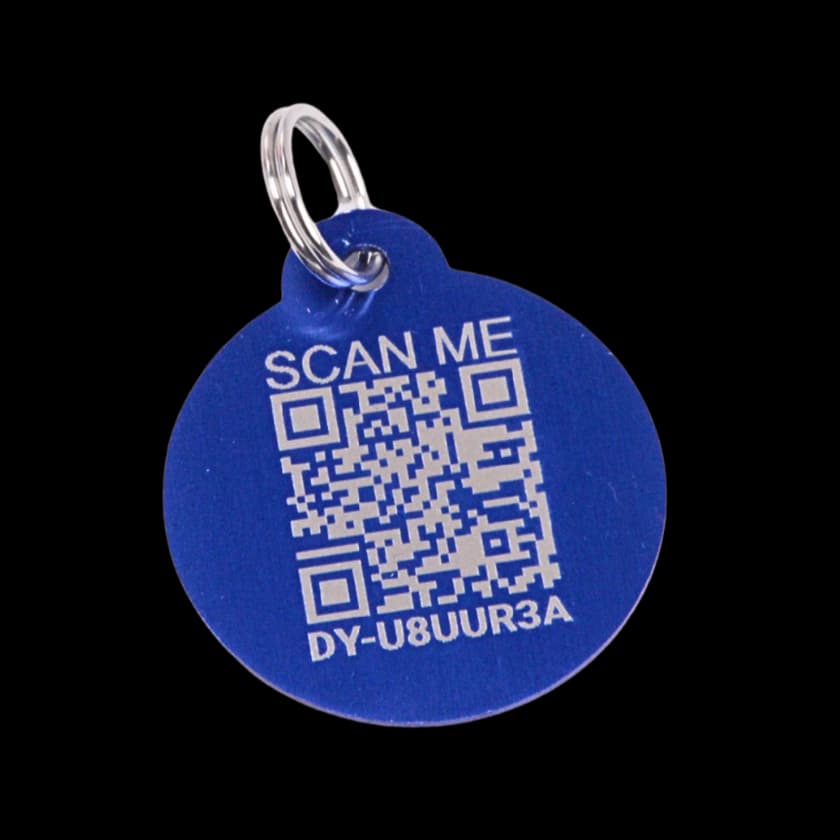
Driyu’s public tag page can show identifying details, temperament and behavior notes, selected medical alerts and saved microchip information. The owner’s visibility controls cover phone, email, city, state and emergency contacts; they do not hide every profile field or the owner’s name. Check the actual public page and never put a private address in free-text notes.
Related reads from Driyu
- Writing finder instructions on your pet profile: 6 lines that matter
- What NOT to put on a public pet profile
- The best photos to identify a lost pet (and how to take them)
Sources and further reading
Frequently asked questions
Should I list the pet’s name?
The pet’s name can help identification, but calling it does not guarantee a calm response. A finder should avoid chasing or crowding the animal.
How long should the description be?
4 to 6 short lines. Long descriptions get skimmed.
Should I include a reward?
It is your call. Some registries support reward fields. Be cautious about specifying an amount publicly — some scammers target reward postings.
What about microchip number?
Keep the number and registry details accessible for your own checks. Driyu’s public tag page currently shows a saved microchip number when the pet is marked as microchipped; it is not one of the five contact-visibility controls.